In the intricate ballet of global logistics, standard containers are the uniformed dancers, while specialized equipment like the 40′ High Cube Open Top (OT) container plays the role of the acrobat. When the cargo is tall, awkwardly shaped, or requires vertical loading via crane, the OT container becomes not just a preference, but a necessity. This article provides a deep dive into the strategic, operational, and financial complexities of securing a quote for a 40’HC OT shipment from the bustling Port of Ningbo to the historic gateway of Hamburg.
The Strategic Advantage of the 40’HC OT
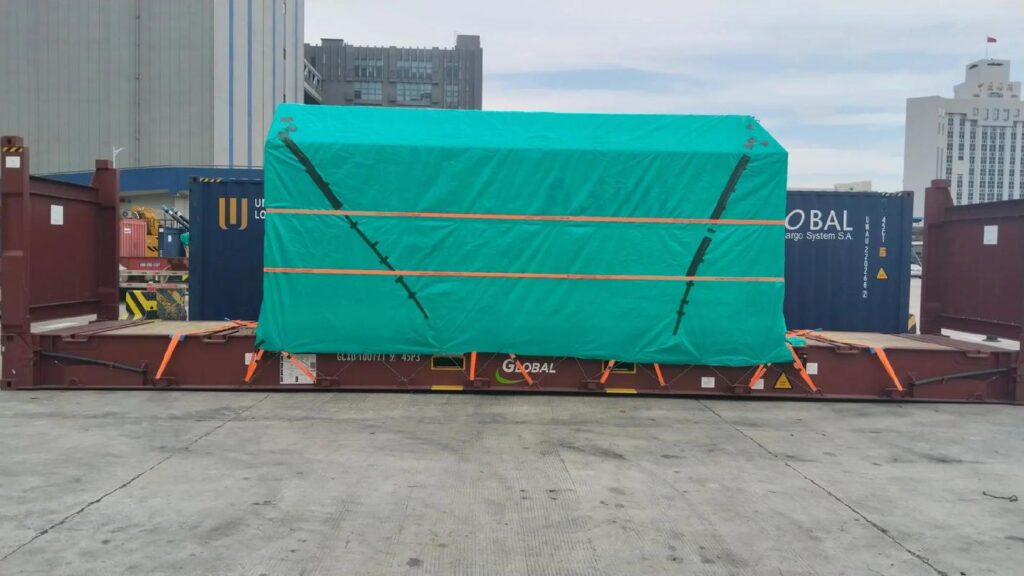
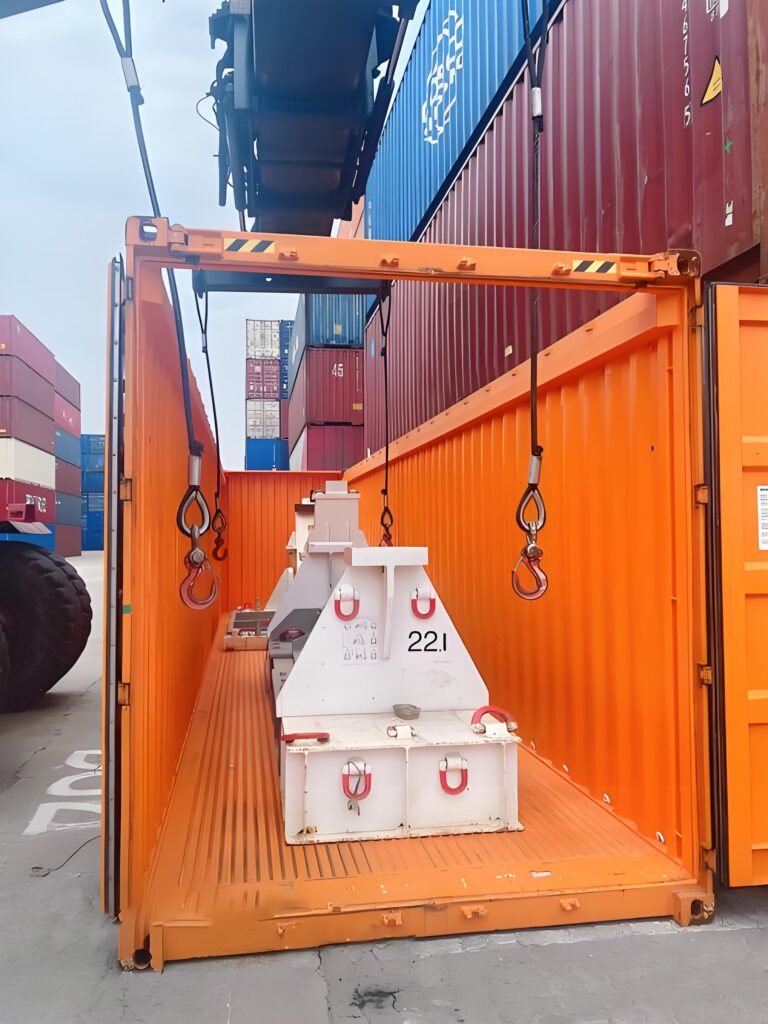
Why choose an Open Top? The answer lies in the limitations of physical geometry. Standard containers are loaded through doors at one end. If a piece of cargo is too tall to fit through those doors, or too heavy to be forklifted horizontally, the operation grinds to a halt. The 40′ High Cube Open Top solves this by removing the steel roof and replacing it with a removable, weather-resistant tarpaulin (the “canvas”). This allows for top-loading using cranes or gantry systems. Furthermore, the “High Cube” designation provides an extra foot of height (9’6″ vs. standard 8’6″), offering crucial clearance for tall machinery or large industrial components. For shipments from Ningbo to Hamburg, this is particularly relevant for industries such as renewable energy (wind turbine parts), manufacturing (large molds), or construction materials (timber, steel pipes).
Deconstructing the OT Quote: A Multi-Layered Analysis
A quote for an OT container is fundamentally different from a standard dry container quote. It is a composite of base freight and a series of specialized surcharges that reflect the unique handling requirements.
1. The Base Ocean Freight
The base rate from Ningbo (CNNGB) to Hamburg (DEHAM) is influenced by the equipment imbalance in the market. OT containers are a niche product. Carriers often view them as “lost revenue” opportunities because they take up the same slot as a standard 40’HC but require more manual handling and cannot be stacked as easily when empty. Consequently, the base rate carries a premium.
2. Special Equipment Surcharge (SES)
This is a fixed fee added specifically for the use of the OT container. It covers the maintenance of the specialized flooring and the cost of the tarpaulin, which is prone to wear and tear and requires regular replacement.
3. Stuffing and Unstuffing Supervision
Unlike standard containers where the shipper packs the goods themselves, OT containers often require supervision by the carrier or terminal to ensure the tarpaulin is secured correctly and the cargo does not breach the “high cube” limit. A poorly secured canvas can lead to water ingress or cargo loss, resulting in steep fines.
4. Inland Haulage and Chassis
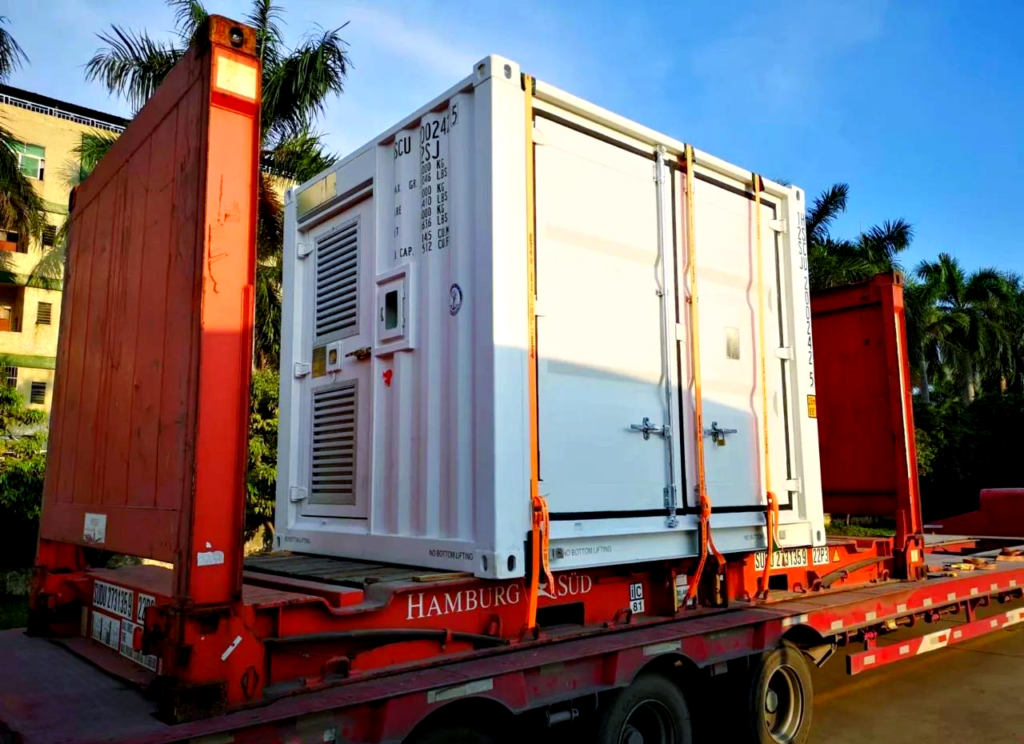
In Europe, particularly in the Hamburg hinterland, the availability of OT chassis (beds) can be limited. If the cargo is destined for an inland point like Munich or Frankfurt, the quote must include the cost of a specialized chassis that can accommodate the height and potential overhang of the OT container.
5. Tarpaulin and Covering Costs
The quote should specify who is responsible for supplying and securing the tarpaulin. In some cases, the shipper must pay for a professional tarping service at the port of Ningbo to ensure it meets international seaworthiness standards.
The Engineering of Loading: Vertical Challenges
Loading an OT container is an engineering task. Without a roof, the cargo is exposed to the elements until the tarpaulin is secured.
Center of Gravity and Weight Distribution
Even though the OT has no roof, it still has structural limits. A 40’HC OT has a maximum payload of approximately 26,500 kg. However, the distribution is key. If the cargo is top-loaded, the center of gravity shifts upward, increasing the risk of the container toppling during heavy seas. The quote should ideally include a consultation on lashing and dunnage—using timber or airbags to brace the cargo against the container walls to prevent shifting.
The “Overhead” Factor
Top-loading requires cranes. At the Port of Ningbo, terminal handling charges (THC) for OT containers are higher because they require dedicated crane time. This “craneage fee” is often buried within the quote and must be identified to avoid budget overruns.
Navigating the Regulatory Labyrinth: Ningbo to Hamburg
Export from China (Ningbo)
Chinese customs are stringent regarding “special equipment.” The declaration must clearly state “OT” and the nature of the cargo. If the cargo is over-dimensional (even slightly exceeding the container width), it may require a special inspection. Furthermore, the Verified Gross Mass (VGM) must be reported accurately. An incorrect VGM for an OT container can lead to the crane refusing to lift it, causing demurrage and detention costs.
Import into the EU (Hamburg)
Germany, as the entry point, enforces strict EU regulations. The machinery or goods must comply with CE marking if applicable. For wooden crates or pallets used inside the OT, ISPM 15 compliance (heat treatment) is mandatory. German customs officials are known for rigorous inspections of open-top containers due to the higher risk of undeclared goods being hidden within bulky machinery.
Risk Management: The Vulnerability of Exposure
The greatest risk with an OT container is environmental exposure. Unlike a sealed dry container, the tarpaulin is a potential point of failure.
- Water Ingress: Heavy storms in the North Sea can test the integrity of the canvas. It is crucial to ensure the quote includes a warranty or that the insurance policy explicitly covers “water damage via container tarpaulin.”
- Theft: OT containers are more vulnerable to theft because the canvas can be cut. When quoting for high-value cargo, consider the security of the route from Ningbo to the final destination. Sometimes, paying a premium for a carrier with better security protocols at transshipment hubs (like Singapore or Rotterdam) is worth the investment.
The Role of the Freight Forwarder
Selecting the right partner for an OT quote is about more than just price. You need a forwarder with:
- Equipment Commitment: Can they guarantee a 40’HC OT in Ningbo on your required date? These boxes are often in short supply.
- Lashing Certification: Do they provide a certified lashing plan for top-heavy cargo?
- European Network: Do they have a partner in Hamburg who can coordinate the unloading and the return of the specialized chassis?
Conclusion: Paying for Precision
Requesting a quote for a 40′ High Cube Open Top from Ningbo to Hamburg is an exercise in managing exceptions. The cheapest quote is often a red flag, indicating that the provider has overlooked the specialized surcharges, the craneage fees, or the insurance gaps. A professional quote embraces these complexities, providing transparency on every layer of cost. By understanding the engineering and regulatory demands of the OT container, shippers can transform a logistical challenge into a competitive advantage, ensuring their oversized ambitions reach the Port of Hamburg securely and efficiently.


