Navigating China-Papua New Guinea Freight: The Role of Specialized Logistics Partners Over the past decade, trade between China and Papua New Guinea (PNG) has surged, driven by complementary economies and strategic partnerships. As PNG emerges as a key player in Oceania’s resource and agricultural sectors—with its vast mineral deposits, fertile lands, and growing consumer market—Chinese exporters and importers increasingly seek reliable pathways to connect their supply chains. At the heart of this growth lies the critical need for specialized freight forwarding services that bridge logistical gaps, ensuring goods move seamlessly across thousands of kilometers of ocean and diverse terrains.
Why China-PNG Trade Demands Expert Freight Solutions
PNG’s unique geography presents inherent challenges: a scattering of islands, mountainous terrain, and underdeveloped infrastructure in rural areas. Meanwhile, China’s export profile to PNG—ranging from machinery, construction materials, and electronics to textiles and consumer goods—requires tailored handling, from bulk cargo to fragile or time-sensitive items. Add to this regulatory complexities, including PNG’s strict customs protocols, import licensing requirements, and varying regional compliance standards, and the case for expert freight forwarders becomes undeniable.
Key Transport Modes and Their Nuances
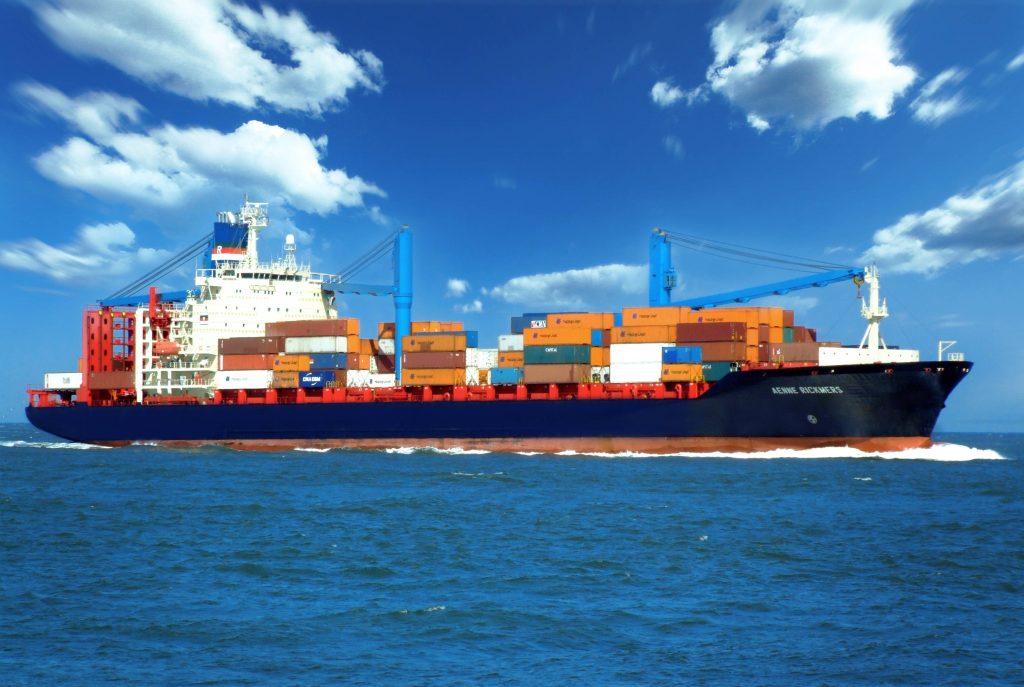
Most China-PNG trade relies on maritime shipping, given the volume and cost-efficiency it offers. The primary route connects Chinese ports like Shanghai, Shenzhen, or Ningbo to PNG’s main gateway, Port Moresby, with smaller vessels also serving secondary ports such as Lae (a hub for the Highlands region) and Rabaul. Freight forwarders here play a pivotal role in optimizing vessel selection—whether container ships for general cargo, bulk carriers for minerals, or roll-on/roll-off (RoRo) vessels for vehicles and heavy equipment. They also coordinate with shipping lines to secure space, negotiate rates, and mitigate delays caused by seasonal weather or port congestion. For urgent or high-value shipments, air freight is an option, though limited by PNG’s few international airports (primarily Port Moresby’s Jacksons International Airport). Forwarders often leverage partnerships with airlines to arrange charter flights or prioritize cargo, balancing speed with cost for clients shipping medical supplies, perishables, or spare parts. Increasingly, multimodal solutions are gaining traction. For example, goods may arrive by sea at Lae before transferring to road or river transport for distribution to mining camps or agricultural plantations in the Highlands. Here, forwarders with on-the-ground networks in PNG excel, coordinating last-mile delivery with local trucking firms or barge operators.
Overcoming Logistical Hurdles: The Forwarder’s Toolkit
Success in China-PNG freight hinges on addressing three core challenges:
- Infrastructure and Last-Mile Delivery: PNG’s road networks outside urban centers are often unpaved or poorly maintained. Forwarders mitigate this by partnering with local logistics providers who understand regional routes, vehicle capabilities, and seasonal accessibility. Some even invest in warehouse facilities near key ports to streamline transshipment.
- Customs Compliance: PNG’s customs authority enforces strict documentation checks, including certificates of origin, bills of lading, and product-specific permits (e.g., for food, chemicals, or electronics). Experienced forwarders pre-validate paperwork, liaise with customs brokers, and use digital platforms to track clearance status, reducing clearance times from weeks to days.
- Cultural and Linguistic Gaps: Miscommunication can derail shipments. Forwarders with local teams or long-term partners in PNG bridge this divide, ensuring instructions are clearly conveyed and cultural norms—such as relationship-building in business interactions—are respected.
Choosing the Right Partner: What Matters Most
Selecting a freight forwarder for China-PNG routes requires scrutiny of four criteria:
- Local Expertise: A forwarder with established operations in PNG—whether through subsidiaries, agents, or long-term contractors—can navigate regional nuances better than generalists.
- End-to-End Visibility: Digital tools that provide real-time tracking of shipments, from factory floor to PNG warehouse, empower clients to manage inventory and respond to disruptions.
- Risk Management: From cargo insurance to contingency plans for port strikes or weather events, proactive forwarders minimize downtime and losses.
- Sustainability Alignment: As global trade prioritizes green logistics, forwarders offering carbon-neutral shipping options or partnerships with eco-friendly vessel providers align with modern corporate values.
The Road Ahead: Seizing Opportunities in a Growing Market
As PNG continues to diversify its economy—beyond mining into agriculture, tourism, and renewable energy—the demand for diversified freight solutions will only rise. Chinese businesses eyeing PNG’s market stand to benefit immensely from partnering with forwarders who combine global reach with hyper-local knowledge. In this dynamic corridor, logistics is not just about moving goods; it’s about building bridges that enable growth, trust, and long-term collaboration. In summary, while the China-PNG trade route presents unique challenges, specialized freight forwarders act as navigators, turning complexity into opportunity. For businesses aiming to thrive in PNG, aligning with a forward-thinking logistics partner is not an expense—it’s an investment in seamless, scalable success.


