In the high-octane world of African logistics, the movement of heavy machinery and commercial vehicles is the engine room of economic growth. For businesses looking to transport heavy trucks, excavators, or buses from the manufacturing hubs of China to the bustling port of Dar es Salaam, Tanzania, the default mindset often gravitates toward containers. However, squeezing a massive, self-propelled vehicle into a 40-foot steel box is frequently a square-peg-in-a-round-hole endeavor. Enter RORO (Roll-On/Roll-Off)—the elegant, efficient, and often vastly superior alternative. By allowing your heavy truck to simply drive onto the vessel under its own power, you bypass a labyrinth of logistical headaches. This comprehensive guide dives deep into the strategic, operational, and financial nuances of executing a flawless RORO shipment from China to Dar es Salaam.
The Container Conundrum: Why Standard Methods Fail Heavy Trucks
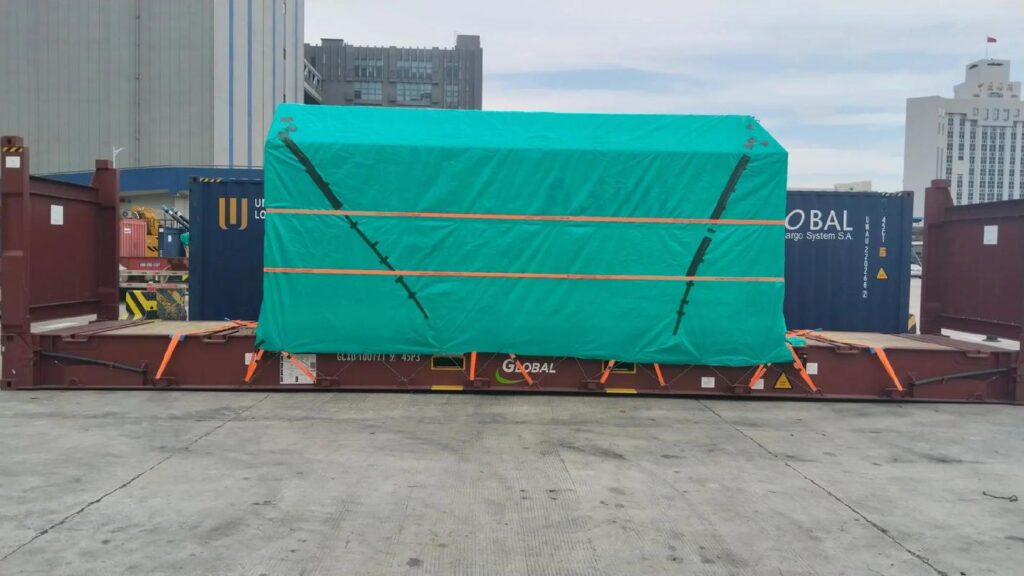
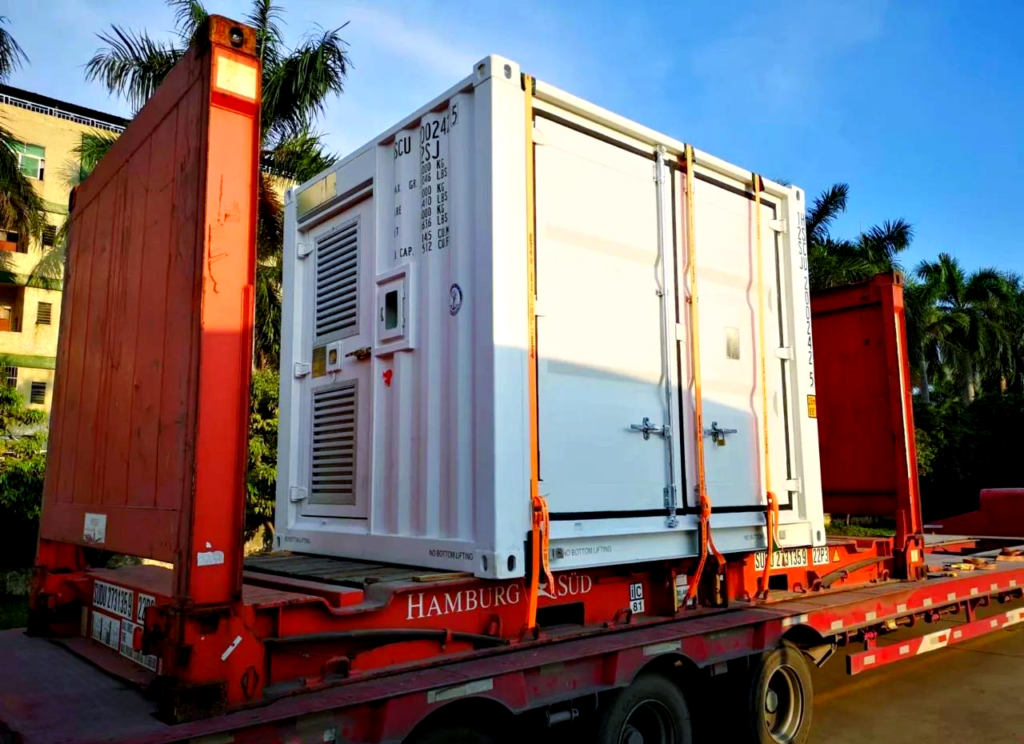
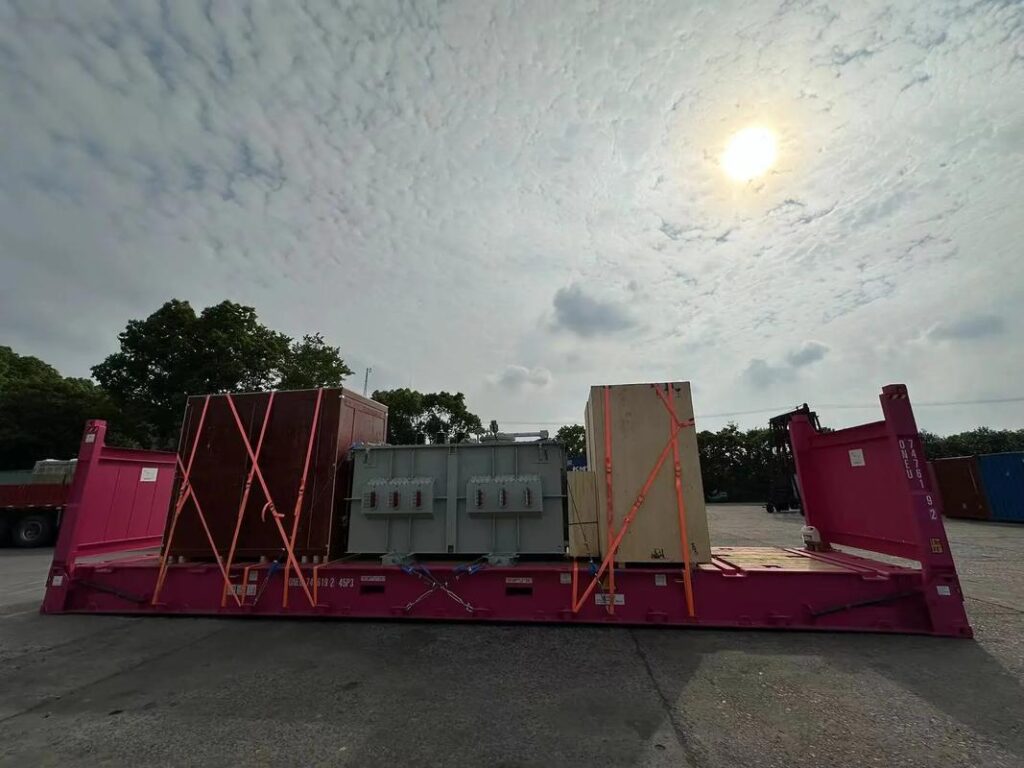
Before understanding the solution, we must dissect the problem. When you attempt to ship a heavy truck via a standard container (typically on a Flat Rack or Breakbulk), you encounter a cascade of inefficiencies:
- The Dimensional Straightjacket: Heavy-duty trucks, especially those with wide mirrors, large exhaust stacks, or bulky sleepers, often exceed the internal dimensions of standard containers. Modifications like removing doors or cutting metal become necessary, adding time and cost.
- Double-Handling Damages: Loading a non-running or extremely heavy truck into a container requires massive shore cranes, skidding, or dragging. Every time a heavy vehicle is lifted or dragged, the risk of hydraulic leaks, suspension damage, or chassis warping skyrockets.
- The “Deadweight” Loss: Containers are priced by size, not weight. A 10-ton truck takes up an entire 40-foot slot, meaning you are paying a premium for “air” and losing massive amounts of potential cargo volume.
RORO eliminates these issues entirely. If the truck has wheels and an engine, it can drive onto the ship, be securely lashed to the deck, and drive off at the destination. It is logistics in its purest, most straightforward form.
Decoding the RORO Quote: A Financial Autopsy
When you request a quotation for a RORO shipment from a Chinese port (such as Shanghai, Tianjin, or Guangzhou) to Dar es Salaam, the pricing structure operates entirely differently from containerized freight. A professional quote should be dissected into these core components:
1. Base Ocean Freight (The “LM” Factor)
Unlike containers, which are charged per box (e.g., USD 2,500 per 40HC), RORO freight is typically calculated based on the vehicle’s Length (L) multiplied by its Width (W) in square meters (or sometimes cubic meters). This is known as the LM rate. A massive mining dump truck will naturally command a higher base freight than a compact pickup because it occupies more precious deck space on the vessel.
2. Bunker Adjustment Factor (BAF) and Currency Adjustments
Fuel prices and exchange rates dictate the profitability of global shipping lines. The BAF is a volatile but mandatory surcharge reflecting the cost of marine gas oil (MGO). Given the long haul from China, around the Strait of Malacca, and across the Indian Ocean to East Africa, the BAF can sometimes fluctuate by hundreds of dollars per vehicle.
3. Terminal Handling Charges (THC)
At the Chinese departure port, the THC covers the cost of the specialized ramps and lashing crews required to secure your truck. In China, ports like Shanghai and Guangzhou have highly automated RORO terminals, which helps keep export THC relatively competitive.
4. Pre-Loading Inspection Fees
Most reputable RORO carriers (such as NYK, MOL, or Grimaldi) mandate a pre-loading inspection. A marine surveyor will check the truck’s fluid levels, tire pressure, and structural integrity. This ensures the vehicle won’t leak oil onto the ship’s deck or fail to start when it’s time to disembark.
5. Documentation and Consular Fees
Exporting heavy machinery from China requires meticulous customs declarations. Additionally, since the destination is Tanzania, you must factor in the cost of securing the mandatory Pre-Export Verification of Conformity (PVoC) certificate, which is required by the Tanzania Bureau of Standards (TBS) for all imported vehicles and machinery.
Operational Blueprint: Executing the Perfect RORO Shipment
Once you have vetted your quote and selected a carrier, the physical execution of the shipment demands rigorous attention to detail. Here is your step-by-step checklist for the China-to-Dar es Salaam corridor:
Step 1: The Chinese Export Dispatch & PVoC
Before the truck even nears the port of Shanghai or Tianjin, it must be spotless. RORO ships are essentially floating parking garages; a single vehicle leaking differential fluid can contaminate the decks and incur massive cleanup fees for the shipowner.
- Action: Steam-clean the entire truck, ensuring the undercarriage is free of excessive mud or oil.
- Compliance: Coordinate with an authorized PVoC inspection agency in China to physically inspect the truck and issue the TBS certificate. Without this, the truck will be rejected by Tanzanian Customs upon arrival.
Step 2: The Drive-On (Loading)
On the day of departure, a qualified driver will drive the truck up the massive stern ramp of the RORO vessel.
- The Critical Rule: The truck must arrive at the port with at least 3/4 of a tank of fuel. Ships require vehicles to have sufficient fuel to start, move, and park repeatedly during the voyage as the crew balances the vessel’s weight. An empty tank will result in the vehicle being towed, incurring hefty “towage fees.”
Step 3: Mastering the Lashing (The Marriage to the Deck)
Once parked in its designated spot on the ship’s deck, the truck is immobilized. Professional stevedores will use heavy-duty chains and turnbuckles to anchor the vehicle to the deck’s dedicated lashing points.
- Water Tightness: Ensure all windows are fully closed, and the sunroof (if any) is sealed. The Indian Ocean is notorious for sudden, violent storms that can flood lower decks.
Step 4: The Transit and Arrival in Dar es Salaam
The voyage from China to Dar es Salaam typically takes between 14 to 21 days, depending on the specific carrier and transshipment stops (common stops include Singapore or Colombo). Upon arrival at the Dar es Salaam Port (specifically the TPA or Tanzania Ports Authority terminals), the truck will remain on board until a berth is available for unloading.
Step 5: The Drive-Off and Tanzanian Customs
Once cleared to disembark, the truck drives down the ramp into the port’s vehicle holding yard. Here, the real battle begins: Tanzanian Customs clearance.
- The Verification Process: Customs officials will cross-reference the truck’s chassis number, engine number, and physical condition with the Bill of Lading and the TBS PVoC certificate.
- Duty and VAT: Heavy trucks attract significant import duties and a 18% Value Added Tax (VAT) in Tanzania. Ensure your clearing agent in Dar es Salaam has a foolproof calculation of the payable taxes to avoid prolonged storage at the port.
The Hidden Risks: Are You Truly Covered?
Many importers make the fatal mistake of assuming standard marine cargo insurance covers a RORO shipment. It often does not. When moving heavy trucks, you need a specialized Institute Cargo Clauses (A) or “All Risks” policy with specific RORO extensions.
- Saltwater and Humidity Damage: The lower decks of RORO ships are highly susceptible to condensation and saltwater spray. If the truck’s air intake or electrical systems are compromised by corrosive sea air, standard policies might deny the claim. You must insist on “Saltwater Ingression” coverage.
- The “Mystery Scratch” Phenomenon: RORO terminals are chaotic environments. Forklifts, other vehicles, and tight turning radii mean scratches and dents are common. Your insurance must explicitly cover cosmetic damages incurred during terminal handling.
- Total Loss vs. Partial Damage: If a massive wave causes the truck to break its lashings and fall overboard (a rare but catastrophic event), you need a policy that guarantees replacement value, not just the depreciated book value.
Pro Tip: Before the truck leaves the Chinese factory, take a comprehensive video walkthrough—inside, outside, and underneath. Pay special attention to the tires and rims. This visual timestamp is your ultimate ammunition against fraudulent damage claims during the unloading process in Dar es Salaam.
Choosing Your Carrier: The China-East Africa Connection
Not all shipping lines are created equal. When selecting a carrier for the China-to-Dar es Salaam route, prioritize reliability over the absolute cheapest rate.
- Grimaldi Lines / ACL: They operate massive RORO vessels with excellent heavy-lift capabilities, though their schedules can sometimes be irregular due to the sheer size of their operations.
- MOL / NYK (Now ONE): Offer highly reliable, frequent departures from major Chinese hubs like Shanghai and Shenzhen, with strong connections into East Africa.
- Specialized Tramp Services: Sometimes, chartering space on a specialized heavy-lift vessel is more cost-effective if you are shipping a fleet of 10+ trucks.
Verify that your chosen carrier has a dedicated agent in Dar es Salaam. The last thing you want is your truck sitting on the vessel for two weeks because the shipping line’s local representative is unavailable to coordinate the discharge.
Conclusion: Precision is Profit
Opting for RORO over containerized shipping for heavy trucks from China to Dar es Salaam is a strategic masterstroke—provided it is executed with military precision. By eliminating the need for cranes, skids, and costly flat racks, you reduce the physical wear and tear on your vehicle and drastically cut down on hidden handling fees. However, the RORO ecosystem operates on strict rules regarding cleanliness, fuel levels, and Tanzanian bureaucratic compliance (TBS PVoC). By partnering with a logistics provider who lives and breathes the Shanghai-Dar es Salaam corridor, and by securing a bulletproof specialized insurance policy, you transform a potentially harrowing shipment into a smooth, predictable, and highly profitable operation. In the unforgiving landscape of international heavy logistics, simplicity is the ultimate sophistication. Choose RORO. Choose efficiency. Get your heavy trucks to the Tanzanian heartland exactly the way they left the Chinese factory floor—ready to work.
Are you preparing to ship a fleet of heavy trucks or specialized machinery to Dar es Salaam? Consult with a RORO logistics specialist today to audit your specific vehicle dimensions and secure a tamper-proof PVoC certificate before it’s too late.


