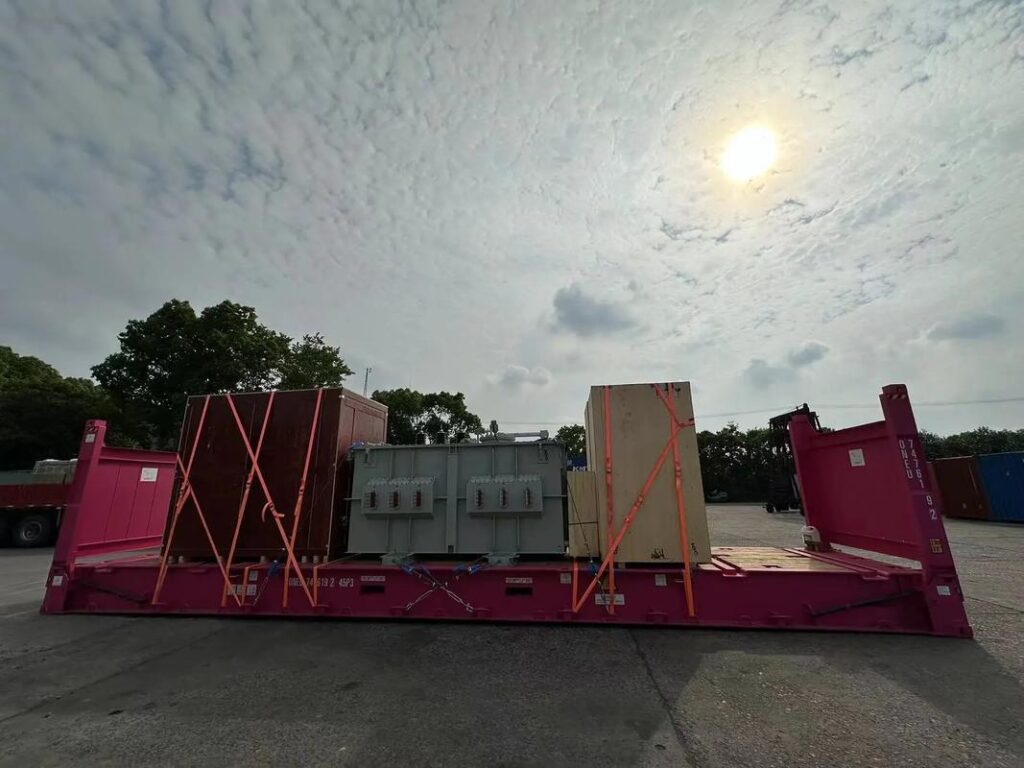
In the realm of global logistics, moving consumer goods is a routine sprint, but relocating industrial titans is a tactical marathon. When the cargo consists of heavy transformers—often weighing dozens of tons with immense dimensional footprints—standard containers become obsolete. This article provides a comprehensive, ground-up analysis of managing a Project Cargo Breakbulk shipment from the Port of Tianjin, China, to the dynamic shores of Lagos, Nigeria. We will bypass generic shipping advice and delve into the engineering, geopolitical, and operational nuances that determine whether your critical infrastructure arrives on time and intact.
The Anatomy of the Challenge: Why Breakbulk?
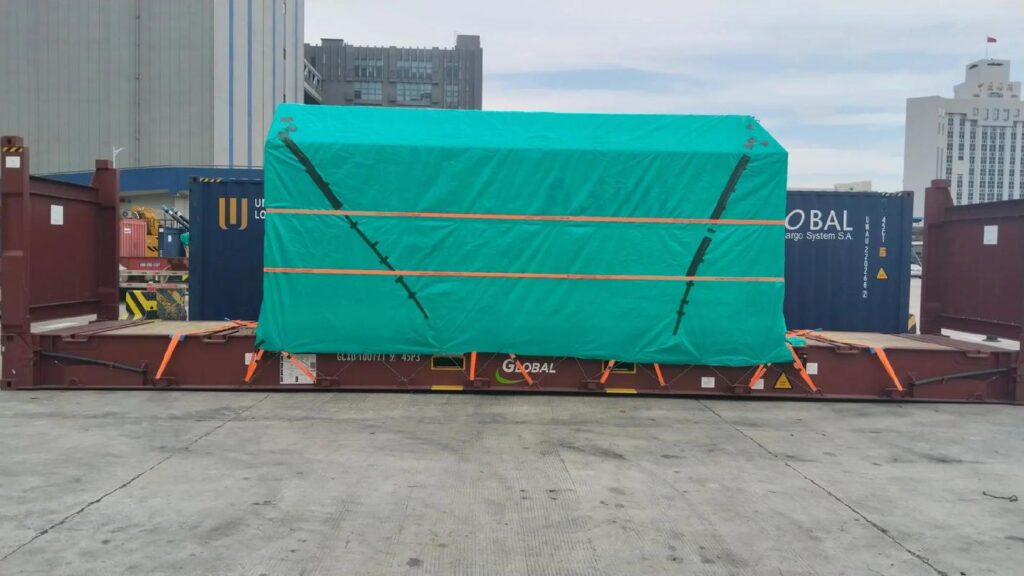
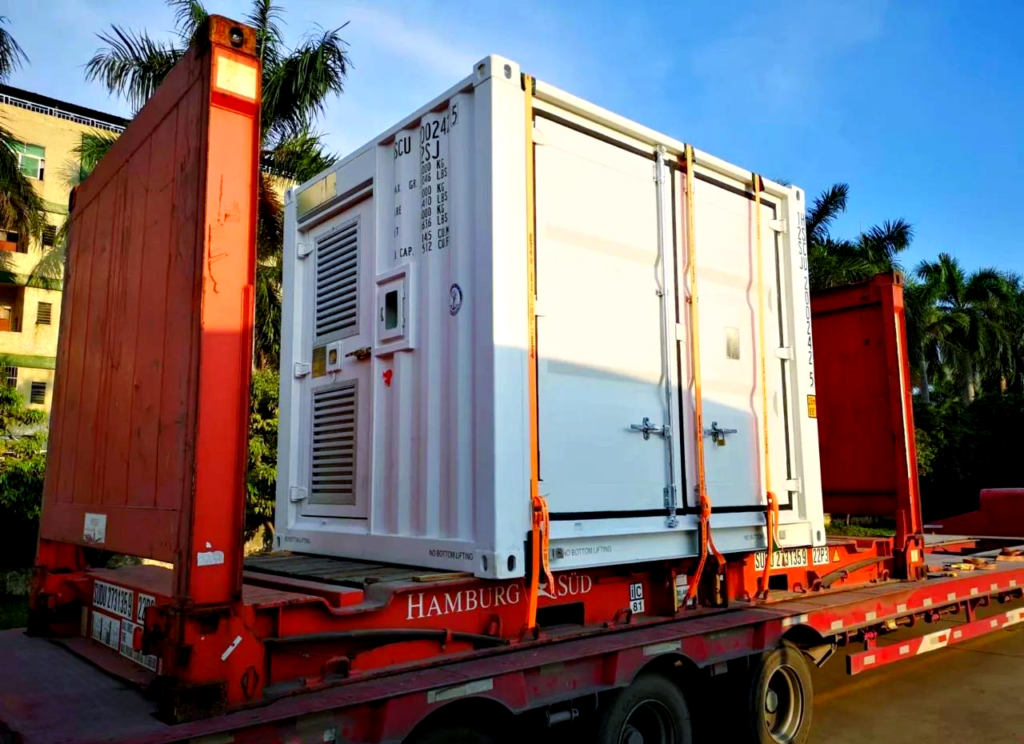
A heavy transformer is not merely “oversized”; it is a concentrated mass of high-value engineering. Attempting to force such cargo into a standard container (even a Flat Rack) often leads to structural failure of the container or severe instability on the vessel. Breakbulk shipping is the solution. Instead of being packed into a box, the transformer is lifted directly onto the tweendeck or hatch cover of a specialized multipurpose vessel (MPP) or a heavy-lift ship. This method offers three distinct advantages:
- Structural Integrity: The ship’s strengthened decks are designed to absorb massive point loads.
- Direct Lashing: The cargo can be welded or chained directly to the vessel’s dedicated lashing points, creating a unified, stable structure resistant to the violent pitching of the Atlantic Ocean.
- Dimensional Freedom: There are virtually no width or height restrictions, accommodating even the most unusually shaped electrical equipment.
Deconstructing the Breakbulk Quote: Beyond Ocean Freight
When requesting an inquiry for the Tianjin-Lagos route, a professional quote must be dissected into its core components. Anything less is a gamble.
1. Vessel Selection and Routing
Unlike standard liners that follow a fixed weekly schedule, breakbulk vessels operate on an “inducement” basis. The shipping line will only call at a specific port if there is enough cargo to justify the deviation.
- Tianjin Constraints: As a massive, busy port, securing a heavy-lift berth and crane time requires precise coordination.
- Lagos Realities: The Apapa and Tin Can Island ports in Lagos are notorious for congestion. A vessel waiting 20 days for a berth accrues massive demurrage. A premium quote will often include “congestion surcharges” or utilize smaller feeder vessels to discharge at less congested West African ports (like Tema, Ghana) followed by a final short-sea leg to Lagos.
2. Terminal Handling and Heavy-Lift Gear
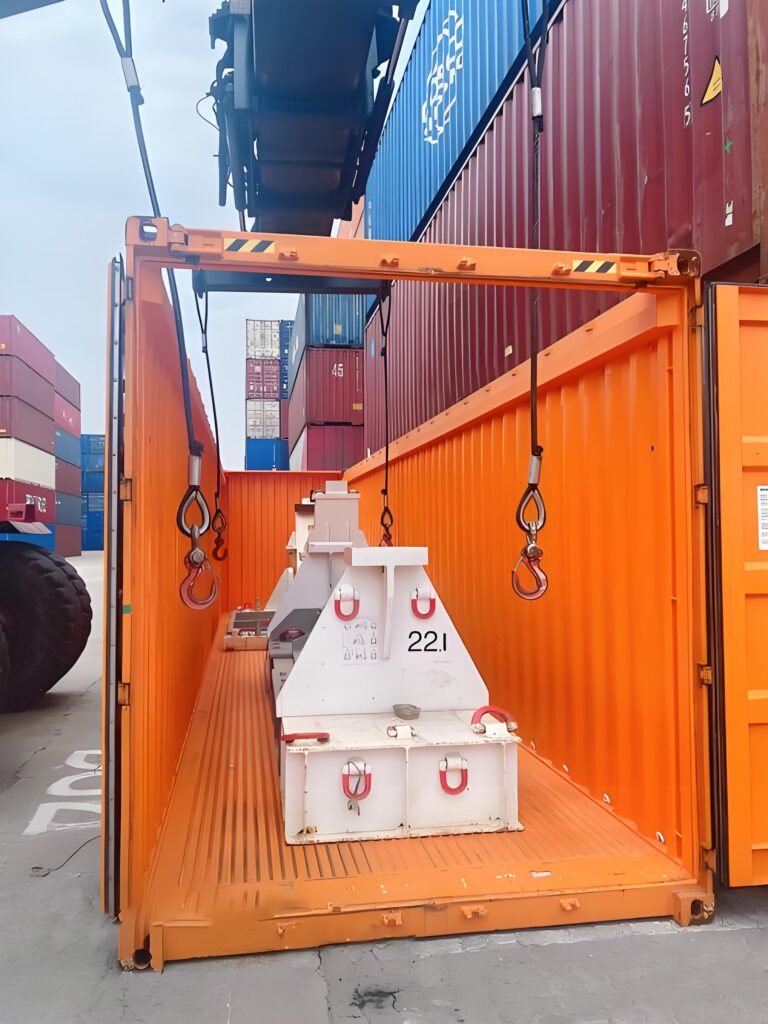
Standard gantry cranes at terminals are usually capped at 40-50 tons. A heavy transformer will likely require specialized shore-based heavy lifters (cranes or SPMTs – Self-Propelled Modular Transporters). The quote must explicitly state who bears the cost of this specialized shore gear—the shipper, the carrier, or a third-party stevedore.
3. Inland Haveraging (The Final Mile)
Lagos is the destination, but how does the transformer leave the port? Nigerian roads present a significant engineering challenge. Moving a multi-ton transformer from the port to an inland power station requires:
- Route Surveys: Identifying low bridges, weak culverts, and narrow corners.
- Escort Vehicles: Police and traffic control escorts to manage the slow-moving, wide-load convoy.
- Hydraulic Modular Trailers: Multi-axle trailers capable of distributing the transformer’s weight to protect the road surface.
The Hidden Engineering: Stowage and Seaworthiness
Shipping a transformer is not just about getting it onto the ship; it is about keeping it there safely for the 30+ day journey across the Pacific and around Africa.
Center of Gravity (CoG) and Stability
Ocean-going vessels experience rolling (side-to-side) and pitching (up-and-down) motions. A top-heavy transformer can shift its center of gravity, creating immense shear forces. Before the vessel even arrives in Tianjin, the carrier’s naval architects will require:
- Exact CoG calculations of the transformer (including any oil inside).
- Lifting point specifications (to ensure the ship’s rigging matches the cargo’s stress limits).
- A certified lashing plan, often involving a combination of high-tensile steel wires, massive wooden chocks, and welded stoppers.
Environmental Protection
While built for durability, sensitive components like bushings, cooling fins, and tap-changers are vulnerable to saltwater corrosion and physical impact from rough seas. The quote should account for professional weatherproofing—shrink-wrapping, custom wooden crating for fragile parts, and desiccants to combat the high humidity of the West African coast.
Navigating the Bureaucratic Labyrinth: Compliance and Risk
Chinese Export Controls
Exporting heavy machinery from Tianjin requires meticulous customs clearance. China Customs may demand a pre-shipment inspection (PSI) for high-value electrical equipment to verify the commodity code (HS Code) and ensure no technological export restrictions are violated. Delays in Tianjin ripple across the entire project timeline.
Nigerian Import Regulations (SONCAP)
Nigeria operates a strict Standards Organization of Nigeria Conformity Assessment Program (SONCAP). Electrical equipment must be accompanied by a Product Certificate (PC) and a SONCAP Certificate (SC). Without these, the cargo will be held at the Lagos port, incurring daily demurrage fees that can quickly eclipse the cost of the ocean freight itself.
The Insurance Imperative
Standard marine cargo insurance often excludes “improper packing” or “inherent vice.” For a breakbulk transformer, you need all-risk project cargo insurance with specific extensions for:
- Heavy lift and strike risks.
- Inland transit risks (covering the road journey from the Lagos port to the final site).
- Delay in start-up (DSU) coverage, protecting against financial losses if the late arrival of the transformer delays the commissioning of the entire power plant.
Selecting the Right Project Logistics Partner
You do not hire a freight forwarder for breakbulk; you hire a project logistics manager. When evaluating inquiries, look for a partner who can demonstrate:
- West Africa Footprint: Do they have a physical office or a trusted agent in Lagos who can navigate the local port politics and secure priority berthing?
- Lashing Certification: Can they provide a stamped and approved stowage plan from a qualified marine engineer?
- Financial Resilience: Can they absorb unexpected demurrage or currency fluctuation costs in Nigeria without holding your cargo hostage?
Conclusion: Precision as a Profit Center
Requesting a quote for heavy transformers from Tianjin to Lagos is not a procurement task; it is a strategic project. The lowest bidder is rarely the most economical choice when dealing with breakbulk. A $5,000 saving on ocean freight can easily be wiped out by a single week of demurrage in Lagos or a damaged bushing requiring a $50,000 replacement. By focusing on vessel suitability, rigorous lashing plans, Nigerian compliance, and comprehensive insurance, you transform logistics from a mere cost center into a predictable, managed phase of your infrastructure project.
Need help evaluating a specific carrier or understanding the current heavy-lift vessel availability from Tianjin? Feel free to ask for a tailored risk assessment based on your transformer’s exact dimensions and weight.


