
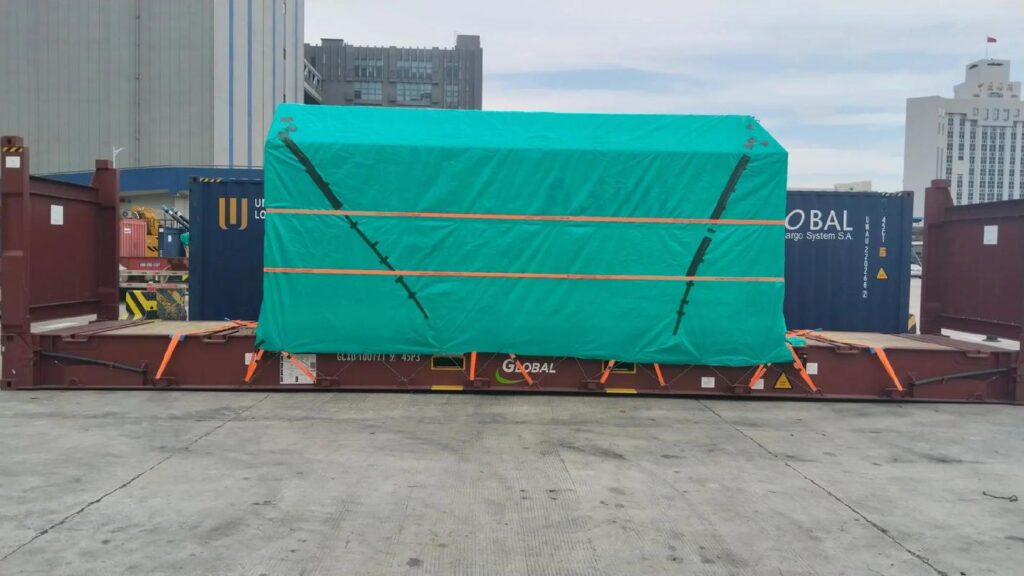
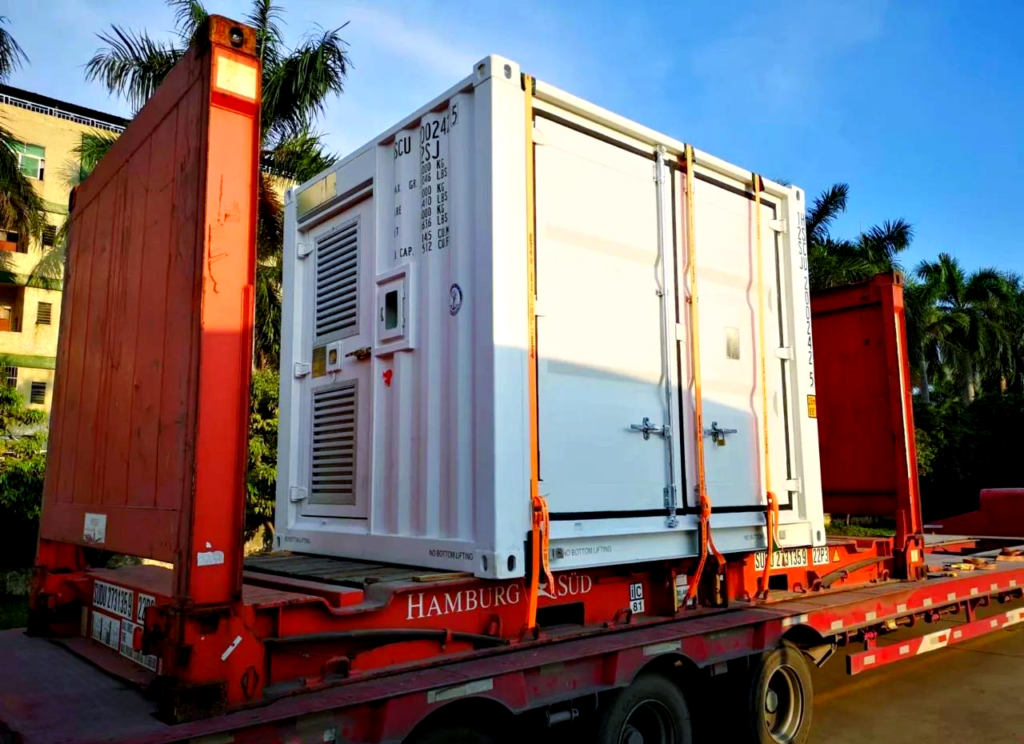
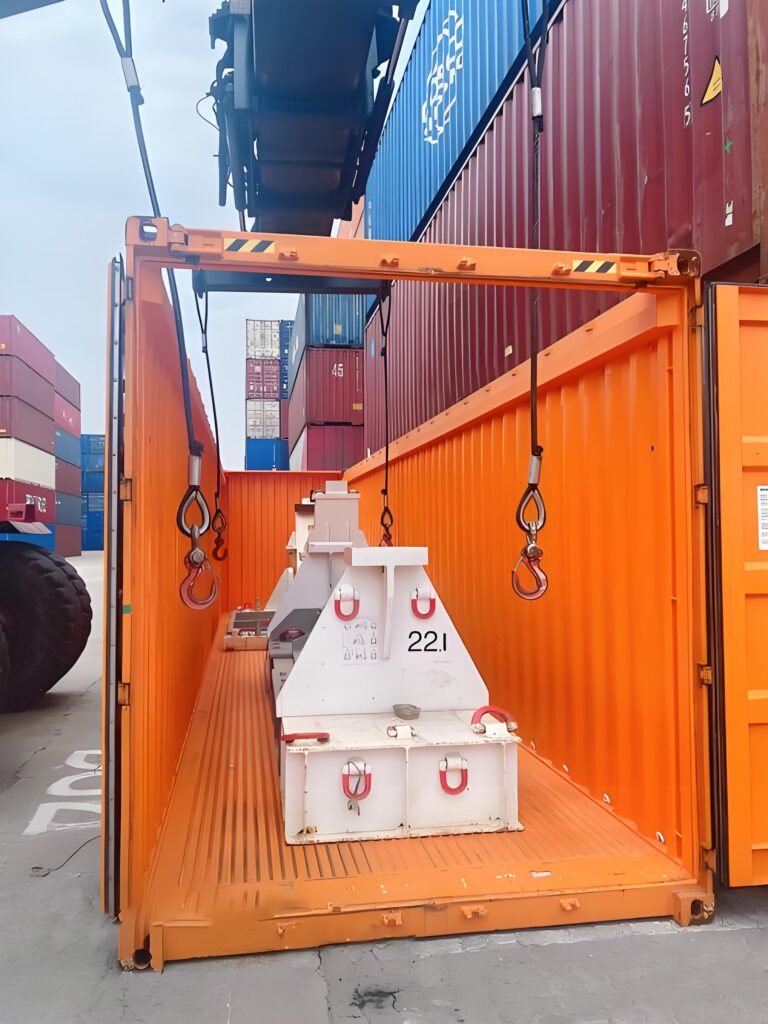
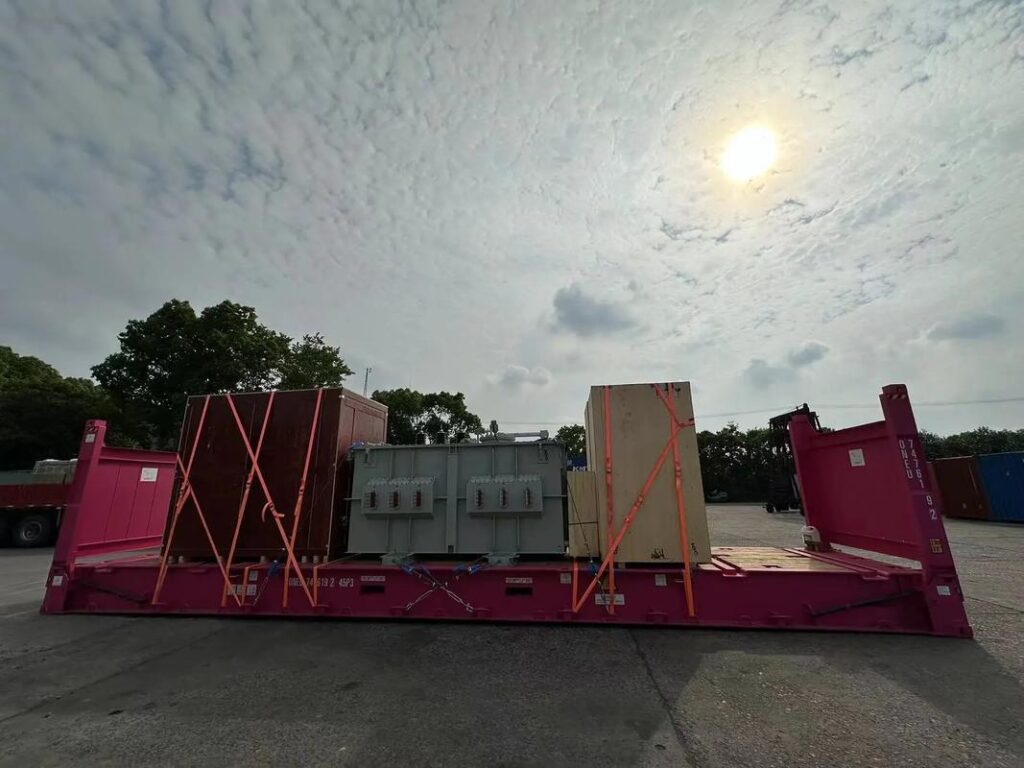
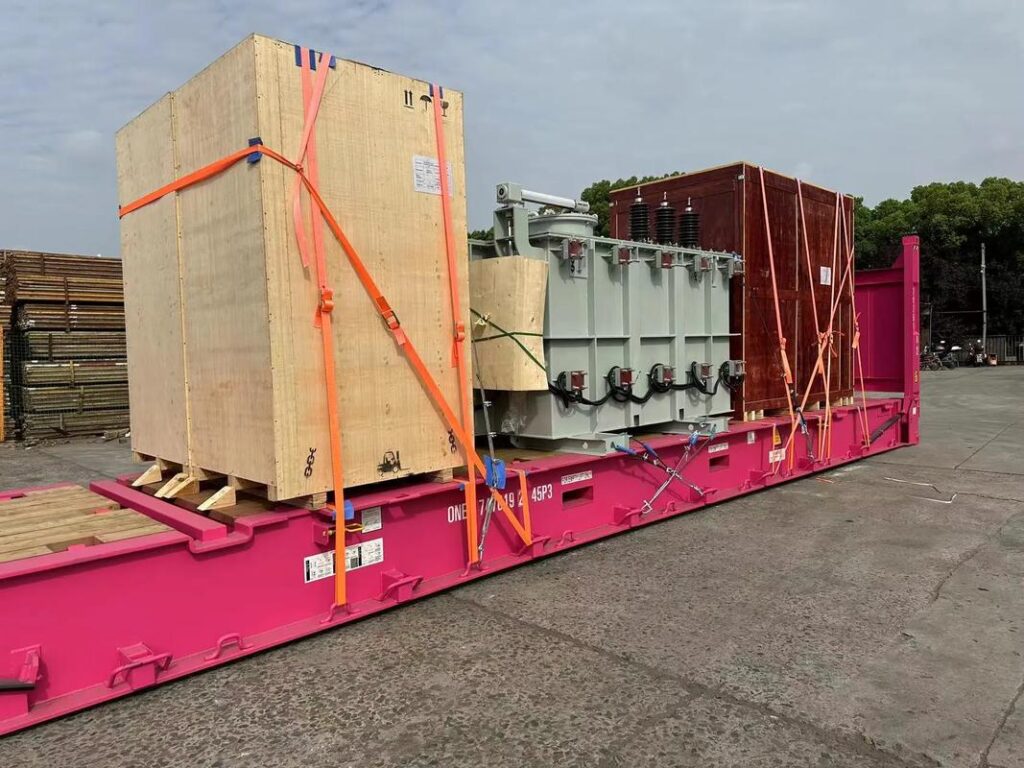
In the lexicon of maritime logistics, “Out of Gauge” (OOG) is more than a classification; it is a declaration of complexity. When a cargo measures 3.2 meters in width, it ceases to be a mere box and transforms into a dynamic structural element that must be integrated with the ship’s deck. Standard solutions fail. What is required is a marriage of mechanical engineering, naval architecture, and regulatory compliance. This article provides a definitive guide to constructing a certified lashing plan and understanding the associated costs for a 3.2m wide load, ensuring your asset survives the violent kinematics of a transoceanic voyage.
The Geometry of Risk: Why 3.2m Demands Engineering
A standard 40′ Flat Rack (40’FR) has a deck width of approximately 2.43m. Your 3.2m cargo overhangs by roughly 38.5cm on each side. This overhang creates a cantilever effect, shifting the center of gravity and dramatically increasing the leverage exerted on the lashing points during a vessel’s roll (typically 25-30 degrees). The primary risks are:
- Tipping Moment: The wider the base, the higher the risk of toppling if the center of gravity is not kept low.
- Windage: At 3.2m, the cargo acts as a sail. In a Beaufort Force 9 storm, wind pressure can exert lateral forces exceeding 12-15 tons.
- Deck Stress: The point loads transmitted through the Flat Rack to the ship’s deck must be calculated to prevent structural damage to the vessel.
The Anatomy of a Professional Lashing Plan
A legitimate lashing plan is not a sketch; it is a technical document audited by a marine surveyor. For a 3.2m wide load, it must contain:
1. The Center of Gravity (CoG) Calculation
This is the most critical data point. The plan must specify the CoG in three axes (X, Y, Z). If the vertical CoG is high, the lashing plan must compensate with additional restraints to prevent overturning.
2. Bedding and Chocking Design
- Timber Spacing: High-density hardwood beams (minimum 10cm x 10cm) must be laid perpendicular to the Flat Rack’s floor beams. This distributes the immense point load of the cargo.
- Side Chocking: Custom-cut triangular wooden chocks must be fabricated to fit the exact curvature of the cargo. These are bolted or nailed to the deck to prevent lateral movement.
3. Lashing Material Specification
For a 3.2m wide industrial machine (estimated 15-25 tons), we recommend:
- Material: Grade 80 Alloy Steel Chains (Minimum Breaking Strength: 10-13 tons per leg).
- Configuration: A “4-Point Lashing” per side (total of 8 lashings) is standard.
- Tensioning: Heavy-duty turnbuckles (rigging screws) must be used to achieve a tension that prevents slackening during the ship’s vibration.
4. The Stopper Welding
Because the cargo overhangs the Flat Rack, physical barriers are required. The plan will specify the welding of steel stopper plates at the four corners of the cargo footprint. These act as the last line of defense against shifting during heavy seas.
Deconstructing the Quote: From Factory to Vessel
When requesting a quote for a 3.2m wide cargo, scrutinize these specific line items:
| Cost Component | Description | Relevance to 3.2m Width |
|---|---|---|
| OOG Surcharge | Premium for occupying extra slot space. | 3.2m width typically classifies as Tier 3 or 4 OOG, attracting the highest surcharge. |
| Lashing Supervision | Marine surveyor attendance. | Mandatory. The carrier will not accept the Flat Rack without a signed Certificate of Lashing. |
| Material Costs | Chains, turnbuckles, timber, welding. | Higher quantity and quality required due to increased leverage and windage. |
| Heavy Lift THC | Terminal Handling Charges. | Requires specialized heavy-lift cranes for positioning at the port. |
| Permit Fees | Overhang permits for stacking. | Required if the cargo is to be stacked or placed in specific vessel slots. |
Operational Execution: The Critical Path
- Pre-Stuffing Survey: Before the cargo arrives at the port, the lashing plan must be submitted to and approved by the carrier’s nautical department.
- The Welding: Steel stoppers are welded to the Flat Rack. This is often done at the factory or a Container Freight Station (CFS) to save time at the terminal.
- The Tension Test: Once the cargo is positioned and chained, a calibrated tension meter is used to ensure each lashing meets the specified force.
- The Sign-Off: The marine surveyor issues the Certificate of Lashing. Without this document, the terminal will refuse to load the cargo.
Risk Mitigation: Beyond Standard Insurance
Standard marine cargo insurance often excludes “improper packing.” For a 3.2m wide load, you must secure:
- All Risks Coverage: Explicitly endorsed for OOG cargo.
- Lashing Failure Clause: Ensuring coverage if the chains break due to a certified plan.
- Third-Party Liability: If your cargo shifts and damages adjacent containers or the ship’s hull, you are liable. Ensure your policy covers this.
Conclusion: Precision as a Competitive Advantage
Shipping a 3.2-meter wide cargo is not a commodity service; it is a project. The cheapest quote is often the most expensive in the long run, as it likely omits the cost of certified lashing materials or the necessary engineering oversight. By investing in a professional lashing plan, you are not just buying straps and wood; you are purchasing peace of mind and ensuring that your oversized asset arrives at its destination as a functional asset, not a liability.


