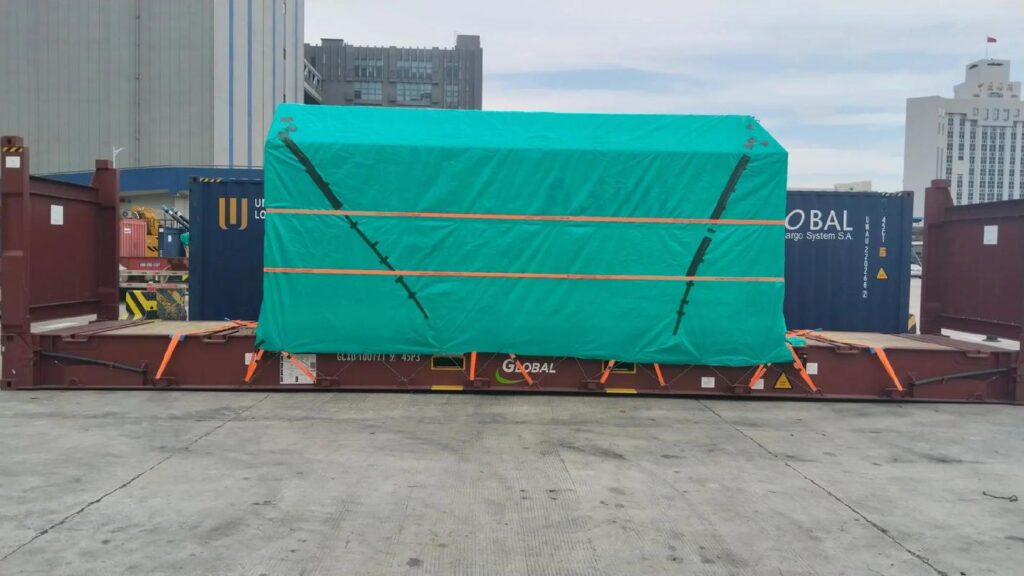
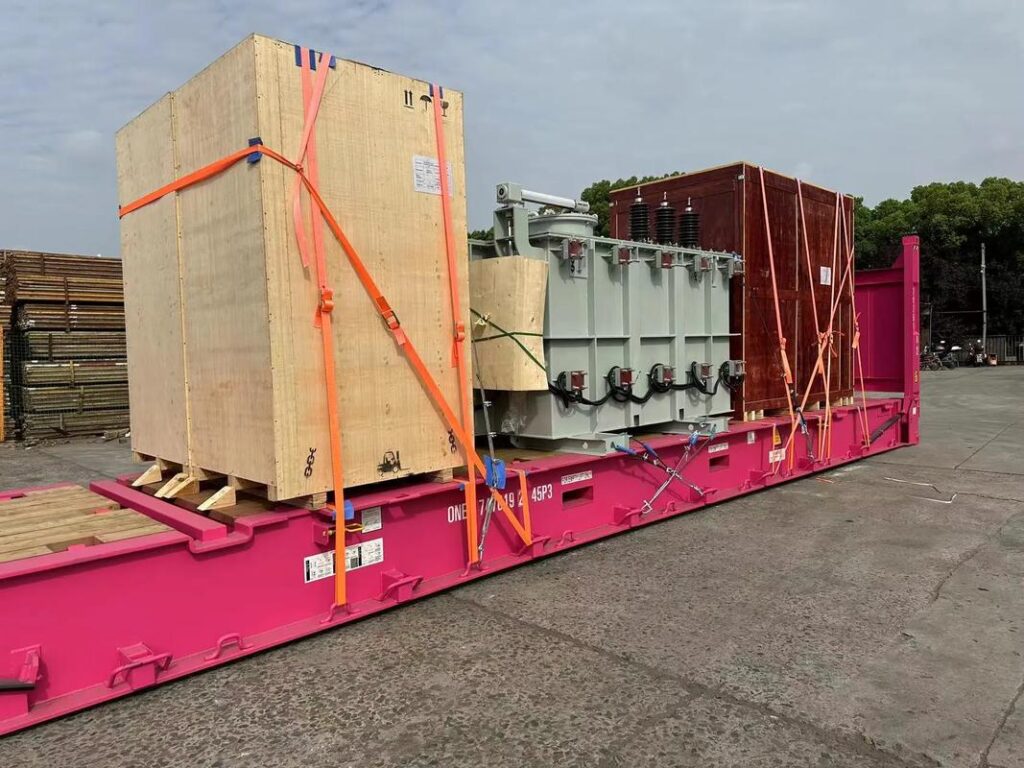
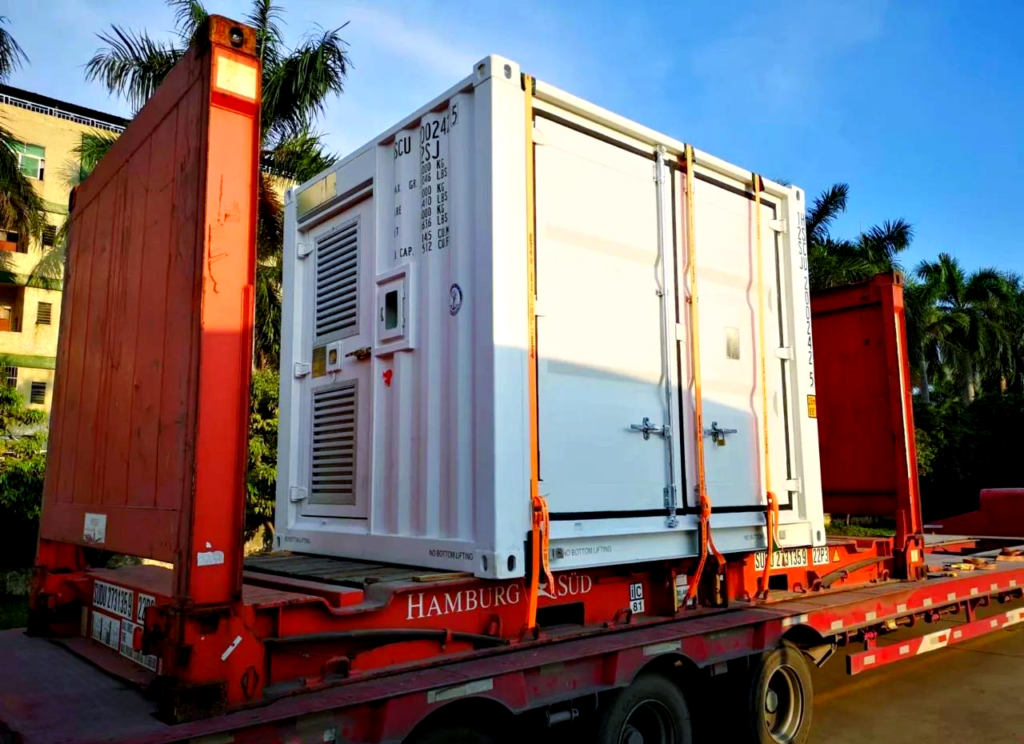
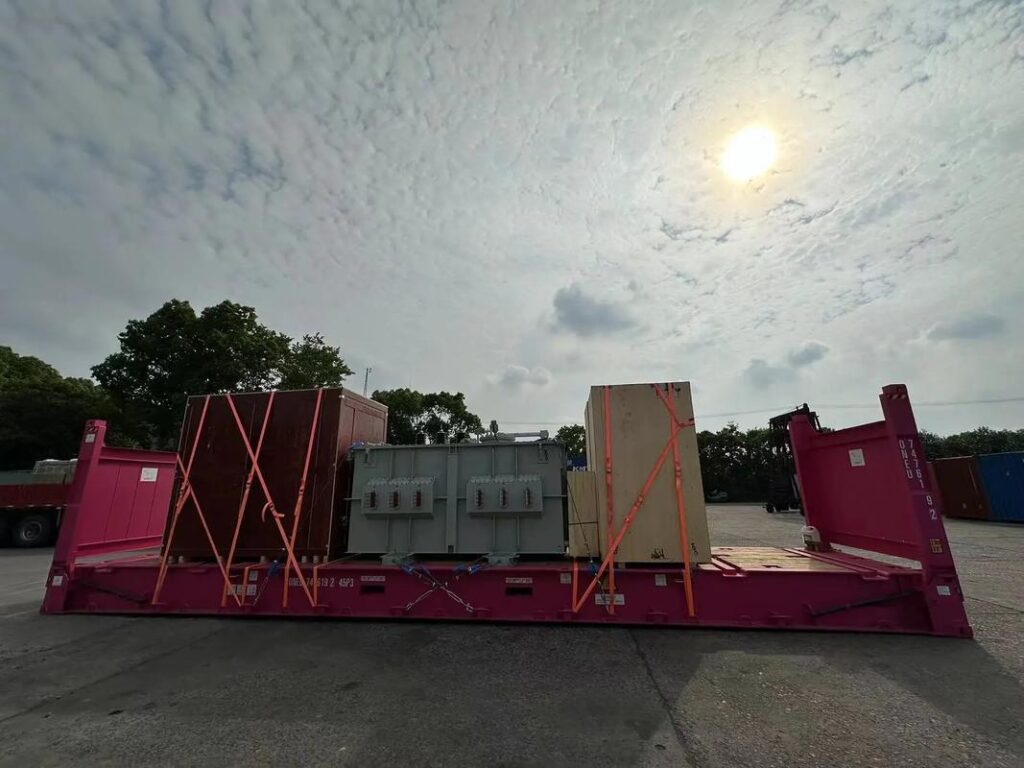
Delivering a 20-foot Flat Rack (20’FR) containing heavy machinery or industrial equipment under DDP (Delivered Duty Paid) terms from a factory in China to a door in Dallas, Texas, is the pinnacle of logistics outsourcing. In this scenario, you, the seller or logistics provider, assume 100% of the risk and cost until the cargo is physically placed at the buyer’s feet. There is zero margin for error. One unexpected customs exam in Chicago or a miscalculation in overweight permits in Texas can erase your entire profit margin. This guide provides a granular, operational blueprint for executing this high-stakes shipment flawlessly.
The 20’FR Factor: Why Smaller is Sometimes Heavier
While a 40’FR is common, the 20’FR presents unique challenges. It is often used for extremely dense, heavy items (e.g., industrial motors, gearboxes, or press brakes).
- The Weight Paradox: A 20’FR has a lower maximum payload than a 40’FR (typically around 21-24 tons). If your machinery pushes this limit, it is considered Heavy Lift cargo, triggering specialized surcharges.
- Stability Issues: Due to its shorter length, a 20’FR is less stable on the vessel’s deck. Lashing and securing require higher precision to prevent shifting during the Pacific crossing.
- Chassis Availability: In the United States, 20-foot chassis are becoming increasingly rare compared to 40-foot chassis. Securing a 20’FR chassis for the Dallas drayage is a specialized task.
Deconstructing the DDP Quote: The “All-In” Reality
A DDP quote is not just a price; it is a comprehensive risk assessment. You must account for every dollar spent from the factory gate to the Dallas warehouse door.
1. Origin Charges (China)
- Factory Pickup & Inland Trucking: Moving the Flat Rack from the factory to the port of departure (likely Shanghai, Ningbo, or Shenzhen).
- Terminal Handling (THC) & Lashing: 20’FRs require specialized lashing supervision at the Chinese port. The quote must include the cost of certified marine surveyors to approve the lashing plan.
- Export Customs Clearance: Including documentation and any required pre-shipment inspections.
2. Ocean Freight & Special Surcharges
- Base Rate: The cost for the 20’FR from China to the US West Coast (Los Angeles/Long Beach – LA/LB).
- Bunker Adjustment Factor (BAF): Fuel surcharges.
- Heavy Lift/Out of Gauge (OOG) Surcharge: Explicitly for the 20’FR dimensions and weight.
3. Destination Charges (USA) – Where DDP Gets Risky
This is where most quotes fail. As the DDP provider, you pay everything.
- Customs Clearance & ISF: You must file the Importer Security Filing (ISF – “10+2”) 24 hours before departure. Failure results in $5,000 fines.
- Duties & Taxes: You must calculate the Landed Cost. This includes the Merchandise Processing Fee (MPF), Harbor Maintenance Fee (HMF), and the applicable tariff rate (HTSUS code). Crucial Note: If your machinery qualifies for USMCA (formerly NAFTA) benefits, you must prove origin to eliminate duties. Otherwise, you pay the full tariff.
- Port Congestion & Demurrage: LA/LB ports are notorious for delays. You pay for every day the container sits waiting to be unloaded.
- Drayage to Dallas: The overland trucking from LA/LB to Dallas (~1,400 miles). For a 20’FR, this requires a heavy-haul specialist.
4. The “Last Mile” in Dallas
- Delivery Appointment: Does the consignee have a dock? If not, you need a liftgate service or a crane for the 20’FR.
- Unloading & Debris Removal: Once the Flat Rack is off the truck, who removes the dunnage and lashing materials? Under DDP, you do.
The Operational Blueprint: Step-by-Step Execution
Step 1: The Chinese Factory Stuffing
Since it’s DDP, you control the packing.
- The Lashing Plan: Hire a certified marine surveyor in China to create a lashing plan. For a 20’FR, the center of gravity must be kept exceptionally low. Use high-tensile chains and certified turnbuckles. Take timestamped photos of every lashing point.
- VGM Accuracy: The Verified Gross Mass (VGM) must be accurate to the kilogram. An incorrect VGM at a US port results in the cargo being refused discharge.
Step 2: The Voyage & US Customs
- The ISF Deadline: File the ISF 24 hours before the ship leaves China. Missing this is a cardinal sin in DDP.
- Bond Requirement: As the importer of record (since it’s DDP), you must have a US Customs Bond. If you don’t have one, you must purchase a single-entry bond, which adds to the cost.
Step 3: The LA/LB Gauntlet
- Container Freight Station (CFS) Transfer: If the final destination in Dallas is not a bonded warehouse, you must clear customs in LA/LB. The 20’FR is transferred to a CFS for exam if flagged.
- Rail or Truck: For Dallas, rail (BNSF or Union Pacific) is often cheaper than trucking from the coast. However, rail ramps have strict limits on overweight containers. Confirm the 20’FR weight is rail-eligible.
Step 4: The Dallas Delivery
- Permits: If the 20’FR exceeds standard width or weight limits for Texas roads, you need TxDMV (Texas Department of Motor Vehicles) permits. These take time to acquire.
- The Delivery Window: Dallas has severe traffic congestion. Schedule the delivery for early morning to avoid peak hours. Ensure the consignee is ready with a forklift or crane to offload the heavy machinery immediately.
Risk Mitigation: Protecting Your Margin
Under DDP, the risk is yours until the last bolt is loosened.
- Cargo Insurance: Standard marine insurance is not enough. You need “All Risks” with Project Cargo Extension. It must cover heavy lift, delay in start-up (if the machinery is for a production line), and the cost of returning the empty Flat Rack to the port.
- Theft & Vandalism: Flat Racks are open. During the 3-day truck ride from LA to Dallas, the cargo is exposed. Ensure your insurance covers theft from an open container.
- Damage During Unloading: The DDP term technically ends when the goods are unloaded. However, disputes often arise if the machinery is damaged during the final lift. Include a clause in your commercial agreement defining the exact point of transfer.
Selecting the Right Partner
Do not use a general freight forwarder for this. You need a Project Logistics Specialist with:
- US Customs Broker License: They must clear the goods in your name.
- NVOCC Status: To issue the Bill of Lading.
- Texas Overweight Permit Experience: They must know the specific routes from the rail ramp to the Dallas warehouse that can handle heavy loads.
Conclusion: The Price of Certainty
Providing a DDP quote for a 20’FR to Dallas is about pricing certainty. Your quote must be higher than a standard FOB quote because it includes the cost of the unknown—customs exams, Texas rainstorms delaying delivery, or a crane breaking down at the Dallas site. By controlling the lashing in China, mastering the USMCA duty relief, navigating the LA/LB bottlenecks, and securing specialized heavy-haul insurance, you transform a logistical nightmare into a seamless, profitable delivery. In the world of DDP, precision isn’t just a virtue; it’s your profit margin.
Are you currently calculating a DDP quote for a specific HS code? I can help you estimate the US import duties and identify potential USMCA savings to make your quote more competitive.


