In the high-stakes world of international logistics, the difference between a successful delivery and a financial disaster often boils down to the choice of a freight forwarder. For standard dry goods, the process is a commodity: compare rates, pick the cheapest, and hope for the best. But when your shipment involves Specialized Containers (特种柜)—specifically Open Tops (OT), Flat Racks (FR), or Garment-on-Hangers (GOH)—the rules change entirely. These are not off-the-shelf products. They are scarce resources requiring engineering precision and deep-rooted relationships. For importers sourcing from China, the quest for “real-time quotes” is often a frustrating exercise in chasing shadows. This article serves as a definitive guide for procurement managers and logistics directors on how to find a truly reliable specialized container forwarder in China and understand the anatomy of a legitimate quote.
Chapter 1: The Scarcity Factor – Why Specialized Cabinets are Different
Before discussing forwarders, one must understand the product. Unlike standard containers, which number in the millions, specialized containers are rare.
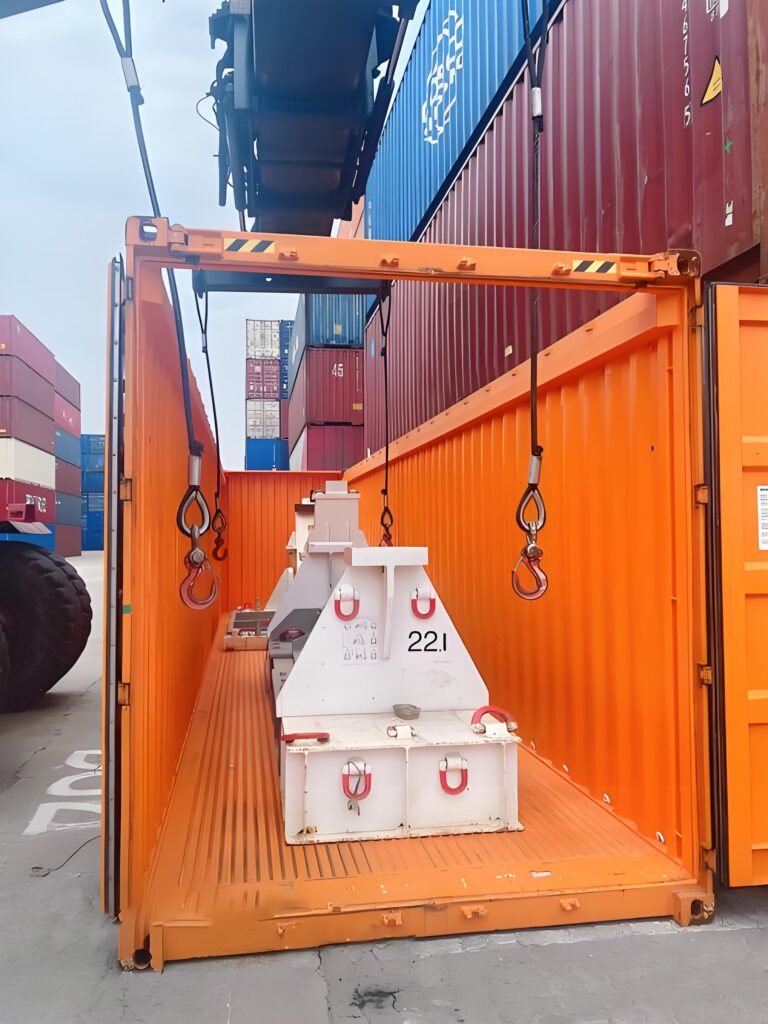
- Open Top Containers (OT): Used for cargo that is too tall for a standard door (e.g., machinery, marble, timber). The lack of a roof allows for crane loading.
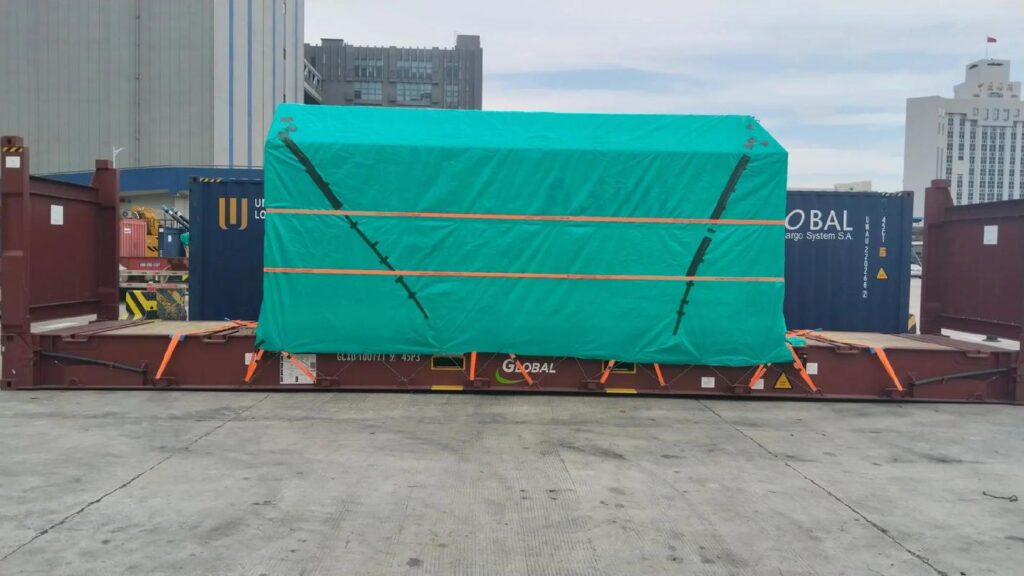
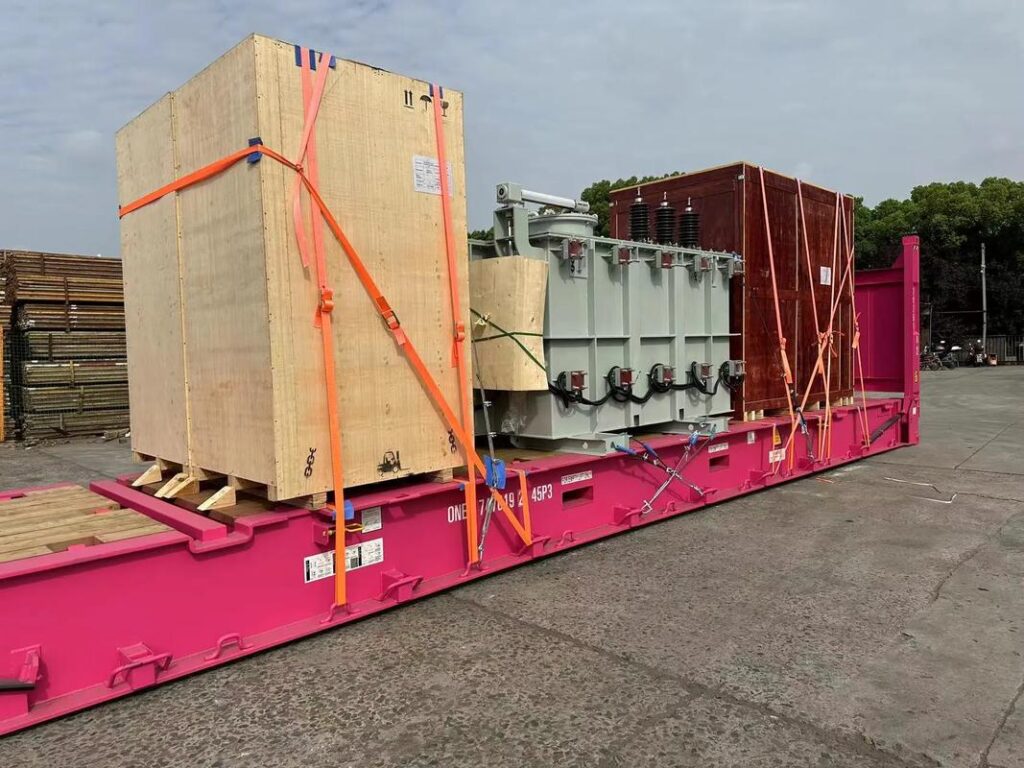
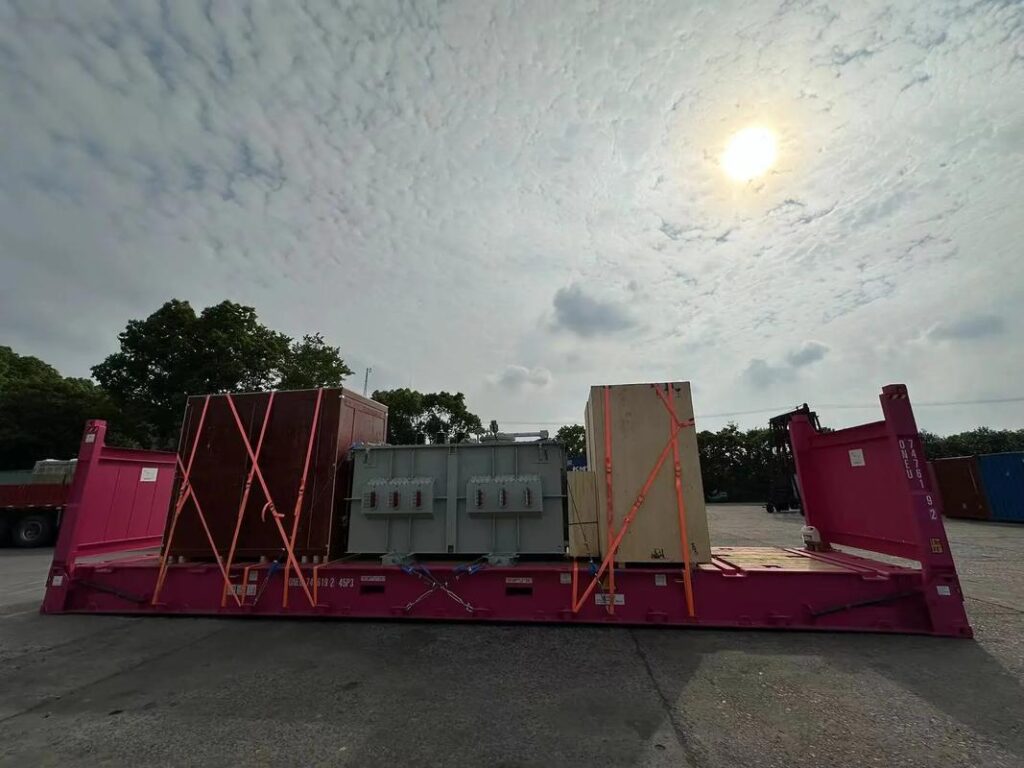
- Flat Racks Containers (FR): Essentially a floor with end walls that can be folded. Used for heavy, wide, or long items (e.g., transformers, vehicles, industrial parts).
- Garment-on-Hangers (GOH): A standard container fitted with rails or racks to hang clothing, eliminating the need for folding and thus preventing wrinkles and saving labor costs at the destination.
The Core Problem: There is a limited supply of these boxes in China. A general forwarder might tell you they can get one, but when the cargo is ready, the equipment is suddenly “unavailable,” causing costly delays. A reliable expert has equipment control—either owning the containers or having priority allocation agreements with shipping lines like COSCO, OOCL, or Evergreen.
Chapter 2: Anatomy of a “Real-Time” Quote – Beyond the Price
When you ask for a quote, a reliable forwarder provides more than just a number. They provide a solution breakdown. Here is what a legitimate real-time quote for a China export should include:
1. The Base Ocean Freight (Freight Rate)
This is the cost for the vessel space from Port A (e.g., Shanghai) to Port B (e.g., Los Angeles).
- Reliability Indicator: Is the rate based on a Contract Rate (negotiated, stable) or a Spot Rate (volatile)? A reliable forwarder offers contract rates even for specialized equipment, shielding you from sudden market spikes.
2. The Surcharges (BAF, CAF, PSS)
Specialized containers attract higher surcharges due to their size and handling needs.
- BAF (Bunker Adjustment Factor): Fuel cost.
- CAF (Currency Adjustment Factor): Exchange rate fluctuation.
- PSS (Peak Season Surcharge): Often doubled for OOG (Out-of-Gauge) cargo.
3. The Equipment Fee (OWS/OOC)
This is the fee for using the special box itself. For Flat Racks, this can be significant. A reliable quote clearly states if the equipment fee is included or separate.
4. The Destination Charges (Destination THC & D&D)
A common trap. Forwarders quote a low China rate but ignore the high destination fees. A reliable forwarder provides a door-to-door estimate or at least warns you about the destination Terminal Handling Charges (THC) and Demurrage & Detention (D&D) rates, which are much higher for specialized containers because they occupy space longer.
Chapter 3: Finding the “Unicorns” – How to Vet a Reliable Forwarder in China
The market is flooded with middlemen claiming to be experts. Here is how to separate the wheat from the chaff.
Step 1: The Equipment Question
Ask: “Do you have the Flat Rack/Open Top in your depot right now, or do we need to wait for the shipping line to release it?”
- Amateur Answer: “We can get it.”
- Expert Answer: “We have 10 x 40FR available in Shanghai this week. I can send you the depot release form.”
Step 2: The Engineering Test (For OOG)
For Flat Rack shipments, ask: “Can you provide a lashing plan?” A reliable forwarder employs or contracts a Chief Inspector. They will provide a diagram showing exactly how the cargo will be secured to the rack. If they say, “Don’t worry, the stevedores will handle it,” run. Improper lashing leads to cargo shifting at sea, resulting in total loss and massive liability.
Step 3: The GOH Capacity Check
For Garment-on-Hangers, ask: “What is the hanging capacity per container?” Standard GOH ranges from 80 to 120 cubic meters. Ask if they use Single Rail, Double Rail, or Tunnel Type systems. A reliable forwarder knows that a “tunnel type” configuration maximizes space for suits, while a “single rail” is better for bulky coats. They should also confirm if the hangers need to be removable or if they are part of the quote.
Step 4: The Digital Footprint
A reliable forwarder in 2023 uses technology. Do they offer a real-time tracking portal? Can they provide instant updates on vessel schedules? If they rely on email-only communication and take 24 hours to reply with a rate, they are not “real-time.”
Chapter 4: The Operational Minefield – Common Mistakes and How Experts Avoid Them
The Open Top Nightmare: The Tarpaulin (Tarp) Issue
Open Tops require a heavy-duty tarpaulin to protect against weather. Cheap forwarders use old, leaking tarps.
- Expert Move: A reliable forwarder inspects the tarp before stuffing. They ensure it is waterproof and that the lashing rings are intact. They also calculate the tarping fee separately, as covering a 40-foot Open Top with a crane is a specialized operation.
The Flat Rack Challenge: Overhang and Permits
If your cargo overhangs the sides of a Flat Rack, Chinese Customs and the terminal will reject it.
- Expert Move: The forwarder must apply for a Special Transport Permit from the local transportation bureau. They must ensure the overhang is within legal limits for road transport from the factory to the port.
The GOH Trap: Weight Distribution
Clothes seem light, but 10,000 winter coats on hangers weigh a lot. If the weight is concentrated on one side of the container, the vessel will reject it.
- Expert Move: The forwarder provides loading supervision to ensure the weight is evenly distributed along the rails to prevent the container from tilting.
Chapter 5: Case Studies in Reliability
Case Study A: The Marble Block (Open Top)
A client in Xiamen needs to ship a 25-ton block of marble to Italy.
- The Unreliable Forwarder: Quotes a low rate but books a 20OT rated for 21 tons. The cargo is rejected at the port gate. Cost: 3 days of detention, re-booking fees, and missed vessel.
- The Reliable Expert: Quotes a slightly higher rate but confirms the 20OT has a payload of 28 tons. They pre-check the chassis of the pickup truck to ensure it can handle the weight. Result: Shipment sails on schedule.
Case Study B: The Fashion Brand (GOH)
A US retailer needs to ship 500,000 garments from Guangzhou to New York.
- The Unreliable Forwarder: Books standard GOH containers. Upon arrival, the hangers are tangled, and 10% of the clothes are crushed because the rails were installed incorrectly.
- The Reliable Expert: Uses Double-Rail GOH containers. They supervise the loading to ensure there is air circulation between the rows of clothes. They provide a clean on-board bill of lading to ensure the Letter of Credit is honored.
Chapter 6: The Future of Quoting – API and Instant Pricing
The concept of “real-time” is evolving. Leading Chinese forwarders are now integrating API (Application Programming Interface) connections with major carriers. This allows them to pull live rates and equipment availability directly into their systems. When looking for a partner, ask: “Do you offer API integration for our ERP system?” This means you can get a quote for a 40FR from Shenzhen to Hamburg instantly, without human intervention, ensuring transparency and speed.
Conclusion: Paying for Peace of Mind
Finding a reliable specialized container forwarder in China is not about finding the cheapest price. It is about finding a partner who controls the equipment, understands the engineering, and communicates transparently. A real-time quote is worthless if the container doesn’t exist. A cheap rate is expensive if it results in a customs seizure or a damaged shipment. By vetting your forwarder based on the criteria above—equipment control, engineering capability, and digital transparency—you transform your logistics from a source of anxiety into a competitive advantage.


