The Minefield of Project Logistics: A Guide to Selecting a Professional Specialized Container Freight Forwarder in China
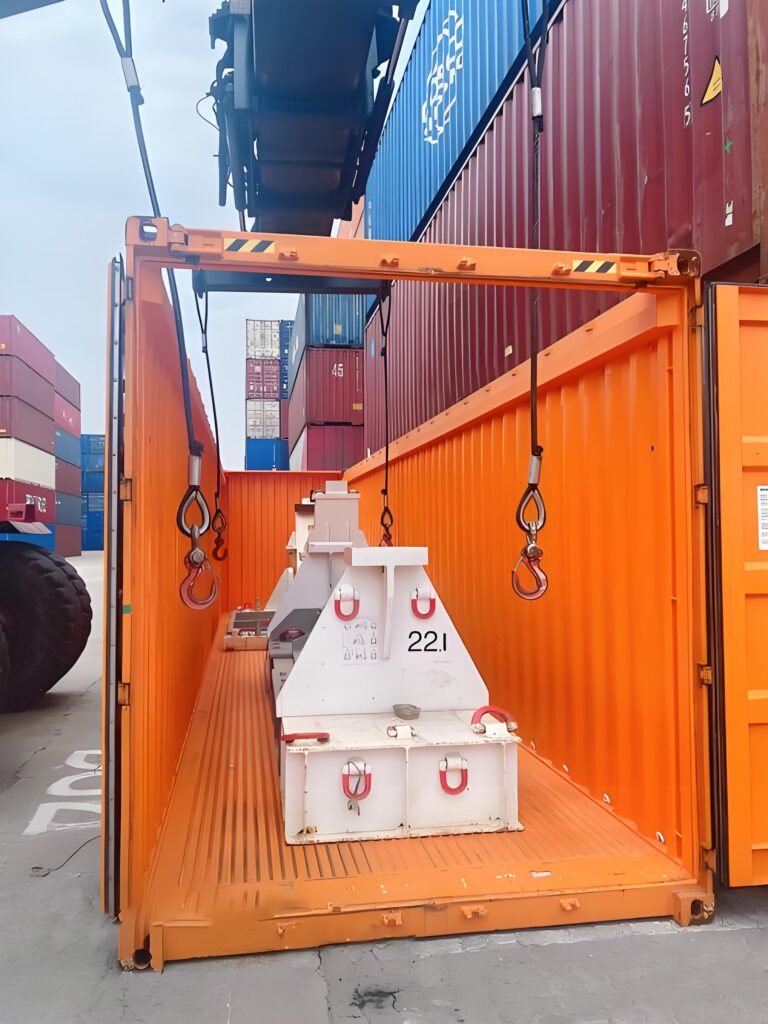
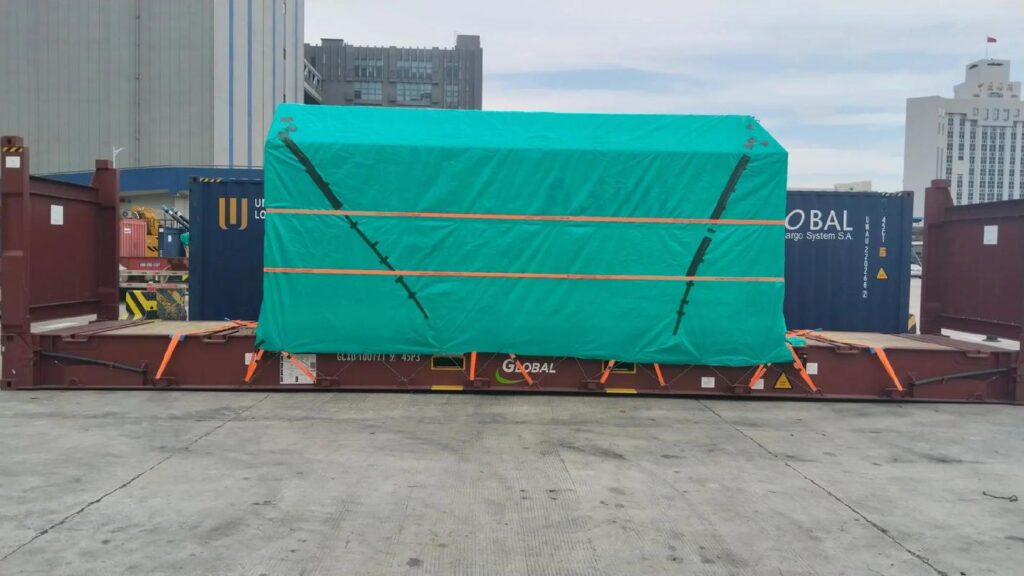
In the high-stakes arena of global trade, the selection of a freight forwarder is rarely a decision that makes or breaks a company. For standard consumer goods—toys, apparel, electronics—the choice is a commodity. You compare rates, transit times, and pick the cheapest option. However, when your shipment involves Specialized Containers (特种柜)—be it an Open Top, a Flat Rack, or a Garment-on-Hangers (GOH) configuration—the rules of engagement change entirely. Choosing the wrong forwarder for a specialized shipment from China is not a mere inconvenience; it is a financial catastrophe waiting to happen. A single misstep in lashing a 40-ton transformer to a flat rack can lead to the loss of the cargo, the pollution of the ocean, and the sinking of a vessel. This article is a comprehensive “pitfall avoidance guide” designed for logistics managers and procurement directors. It will dissect the anatomy of a professional specialized container forwarder in China and provide a roadmap to avoid the disasters lurking in the market.
Chapter 1: Understanding the Landscape – Why Specialized Forwarding is Different
The first pitfall is assuming all forwarders are created equal. They are not. A general freight forwarder operates on volume. They buy space on vessels in bulk and sell it to the masses. Their expertise lies in paperwork and booking systems. A Specialized Container Expert operates on engineering and risk management. Their expertise lies in physics, structural integrity, and regulatory compliance. In China, the market is saturated with “ghost forwarders”—companies that list specialized services on their websites but have never actually handled a complex shipment. They act as brokers, passing your cargo to other brokers, adding layers of cost and risk. Your goal is to find the Principal—the company with the actual relationships and equipment control.
Chapter 2: The Red Flags – Warning Signs of an Amateur
Before you even ask for a quote, you must vet the forwarder. Here are the immediate red flags that signal an amateur:
- Instant Quotes: If a forwarder can give you a firm quote for a Flat Rack shipment in under 30 minutes without asking for the dimensions, weight distribution, or Commodity Center of Gravity (CCG), they are guessing. Specialized quotes require engineering calculations.
- No Survey Option: If they refuse to conduct a pre-shipment survey (either virtual or physical) for an OOG (Out-of-Gauge) item, walk away. They are planning to “figure it out” at the port, which is where accidents happen.
- Vague Equipment Sources: If they cannot tell you exactly which depot in Shanghai or Ningbo currently holds the specific 40FR (40ft Flat Rack) you need, they do not have control over the equipment.
- Price Obsession: If their only selling point is being cheaper than everyone else, they are cutting corners. Specialized logistics is about value and safety, not price.
Chapter 3: The Technical Audit – Evaluating Engineering Capability
A professional specialized forwarder must function as an engineering firm. During your selection process, you must audit their technical capabilities.
1. The Lashing Plan (For Flat Racks & Open Tops)
The most common cause of maritime accidents involving specialized cargo is improper securing.
- The Pitfall: The forwarder tells you, “The stevedores at the port will handle the lashing.”
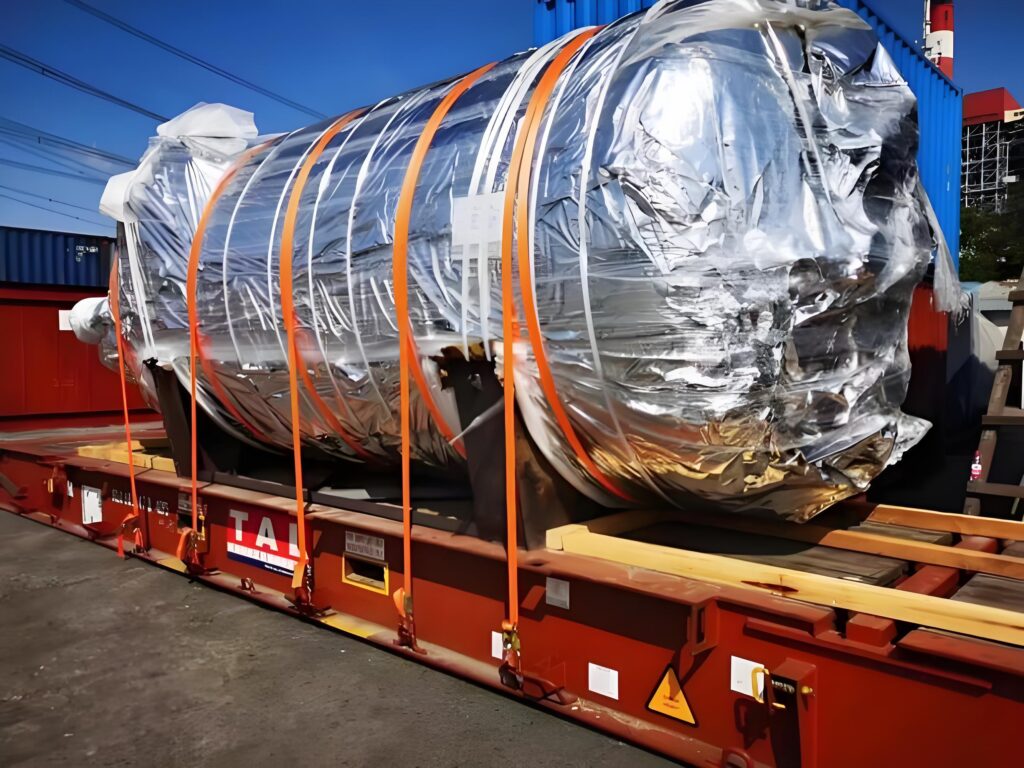
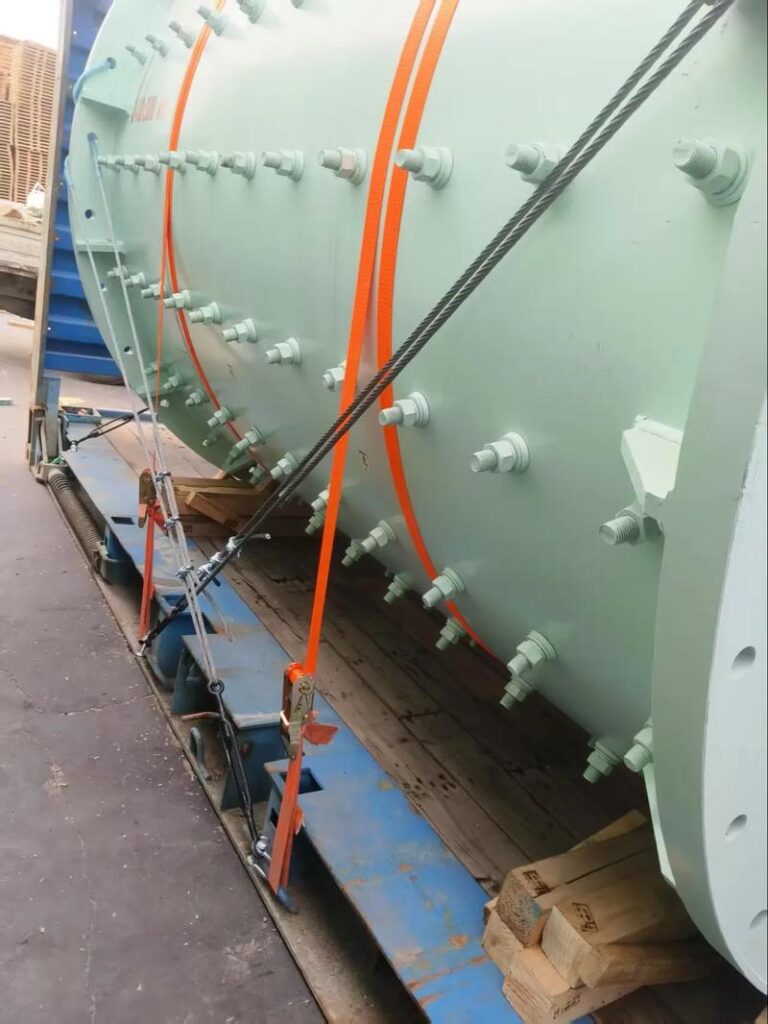
- The Professional Standard: The forwarder provides a Certified Lashing Plan drawn up by a qualified surveyor. This document specifies the type of wire rope, the number of lashings, the tensioning method, and the placement of dunnage. They should be able to explain the “Angle of Lashing”—why lashings should be as close to 45 degrees as possible to resist both vertical and horizontal forces.
2. The Weight Distribution Analysis (For GOH & Heavy Lifts)
- The Pitfall: The forwarder ignores the weight. They simply tell you how many garments will fit.
- The Professional Standard: For GOH (Garment-on-Hangers), the expert calculates the Payload per Linear Meter. They ensure the weight is evenly distributed along the rails to prevent the container from sagging or the doors from jamming. For heavy lifts, they calculate the Ground Pressure to ensure the factory floor can handle the weight during loading.
3. The Permit Management (For OOG)
Moving oversized cargo on Chinese roads is illegal without permits.
- The Pitfall: The forwarder says, “We’ll just drive at night to avoid the police.”
- The Professional Standard: The forwarder handles the 超宽超限运输许可证 (Oversized Transport Permit) application with the local Transportation Bureau. They conduct a route survey to check bridge heights and road strengths.
Chapter 4: The Commercial Evaluation – Deconstructing the Quote
A professional quote for a specialized container from China should be transparent and detailed. Beware of “all-in” quotes that hide costs.
| Cost Component | What the Amateur Does | What the Professional Does |
|---|---|---|
| Ocean Freight | Quotes the spot rate, which can double overnight. | Offers a Contract Rate (Fixed) for the duration of your project. |
| Equipment Fee | Hides it or quotes a low “deposit” that balloons later. | Clearly states the OWS (Overtime/War/Special) fee for the OT/FR. |
| Terminal Handling | Ignores it, leaving you with a surprise bill at the port. | Provides a breakdown of THC (Terminal Handling Charge) at both ends. |
| Lashing/Survey | Says “included” but provides substandard materials. | Provides a separate line item for Lashing Materials and Surveyor Fees. |
| Detention/Demurrage | Doesn’t mention it. | Warns you that Specialized Containers have shorter free time (e.g., 7 days vs 14). |
Chapter 5: Case Studies in Failure – Learning from Disasters
Case Study 1: The Collapsed Open Top
A US buyer sourced a large marble statue from Xiamen. The forwarder provided a standard Open Top container with a worn-out tarpaulin.
- The Disaster: During a storm in the Pacific, the tarp tore. Seawater flooded the container, destroying the statue.
- The Lesson: A professional forwarder inspects the tarpaulin’s waterproof rating and uses additional storm lashings for open-top shipments. They also ensure the cargo is wrapped in VCI (Volatile Corrosion Inhibitor) paper.
Case Study 2: The Rejected Flat Rack
A German company shipped a 35-ton injection molding machine. The forwarder lashed it to a 40FR using nylon straps.
- The Disaster: The vessel line rejected the container at the loading gate. Nylon straps stretch; they are not allowed for heavy machinery. The cargo missed the vessel, incurring $5,000 in detention fees.
- The Lesson: Professionals use High-Tensile Steel Wire or Chain Lashings with certified turnbuckles. They provide photos of the lashing to the carrier for pre-approval.
Chapter 6: The Relationship Audit – The “Guanxi” Factor in China
In China, logistics is as much about relationships (Guanxi) as it is about trucks and ships. A professional forwarder has “pull” with the key players.
- Carrier Relationship: Can they get a 40FR when there is a shortage? Can they negotiate a lower “Over Weight” surcharge?
- Terminal Relationship: Can they expedite the gate-in process for an OOG shipment? Can they secure priority loading on the vessel?
- Customs Relationship: Specialized cargo often triggers inspections. A professional forwarder has a good rapport with the local GACC (General Administration of Customs) officers to ensure a smooth clearance.
During your interview, ask: “What is your escalation path if my container is held at the port?” A professional will name a specific contact at the terminal or customs. An amateur will say, “We’ll call them.”
Chapter 7: The Digital Maturity Check
The era of managing specialized logistics via WhatsApp and Excel is over. A professional forwarder leverages technology.
- Real-Time Tracking: Do they offer GPS tracking for OOG shipments? Can you see the temperature and humidity for Reefer shipments?
- Document Automation: Do they use a portal for you to upload your MSDS (for Dangerous Goods) or Engineering Drawings?
- Alert Systems: Do they notify you automatically if the vessel is delayed or if the container is discharged at the wrong port?
Conclusion: The Ultimate Selection Checklist
Selecting a specialized container forwarder in China is a due diligence process. Use this checklist to avoid the pitfalls:
- [ ] Engineering Proof: Do they provide a lashing plan or a cargo-securing manual?
- [ ] Equipment Control: Do they have the physical containers in their depot, or are they relying on the carrier’s stock?
- [ ] Insurance Clarity: Have they explained the limitations of standard cargo insurance for specialized goods?
- [ ] References: Can they provide three references for shipments identical to yours (same weight, same route)?
- [ ] Physical Presence: Do they have an office near the load port (e.g., Shanghai, Ningbo, Shenzhen)? If there is a problem at 2 AM, can they be at the terminal?
The cheapest quote is always the most expensive. By following this guide, you move from being a victim of circumstance to a master of your supply chain. Choose the engineer, not the broker.


