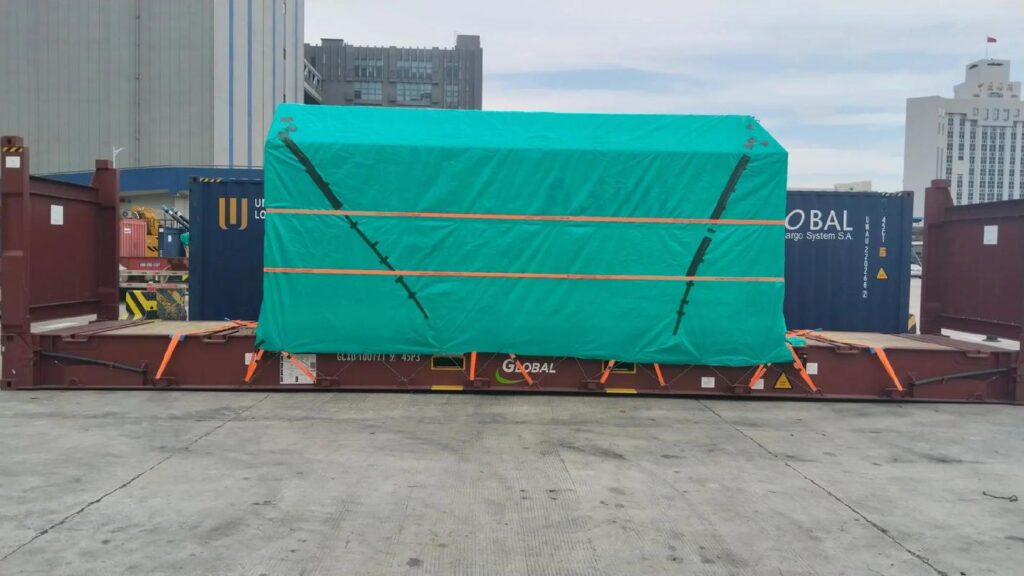
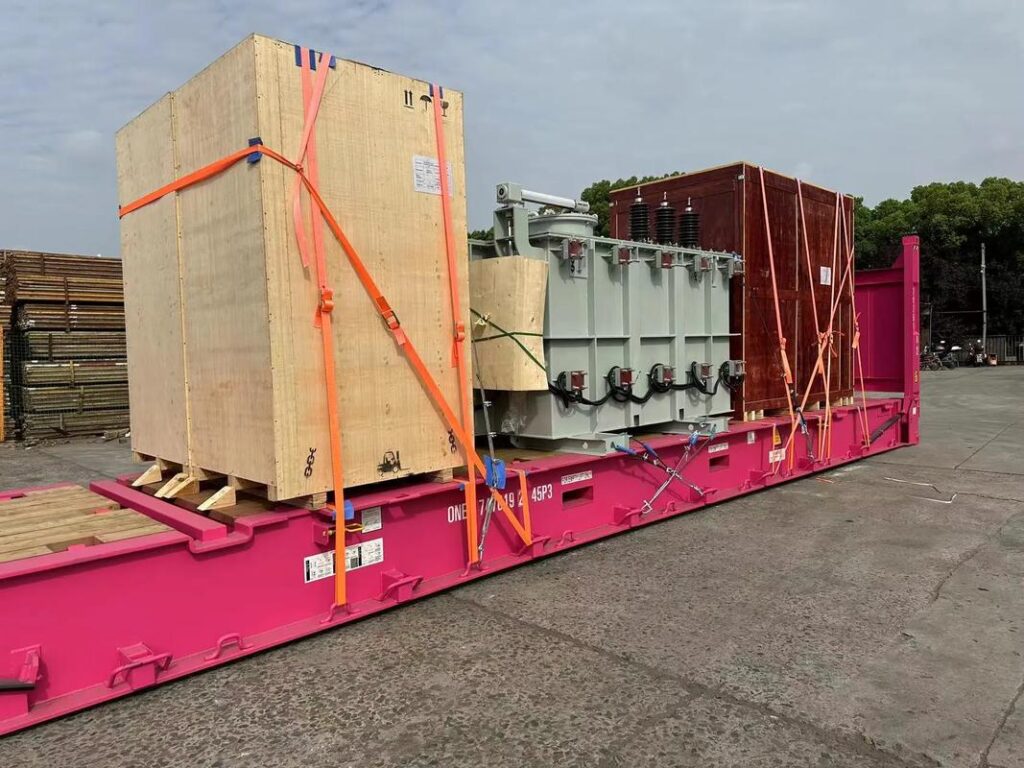
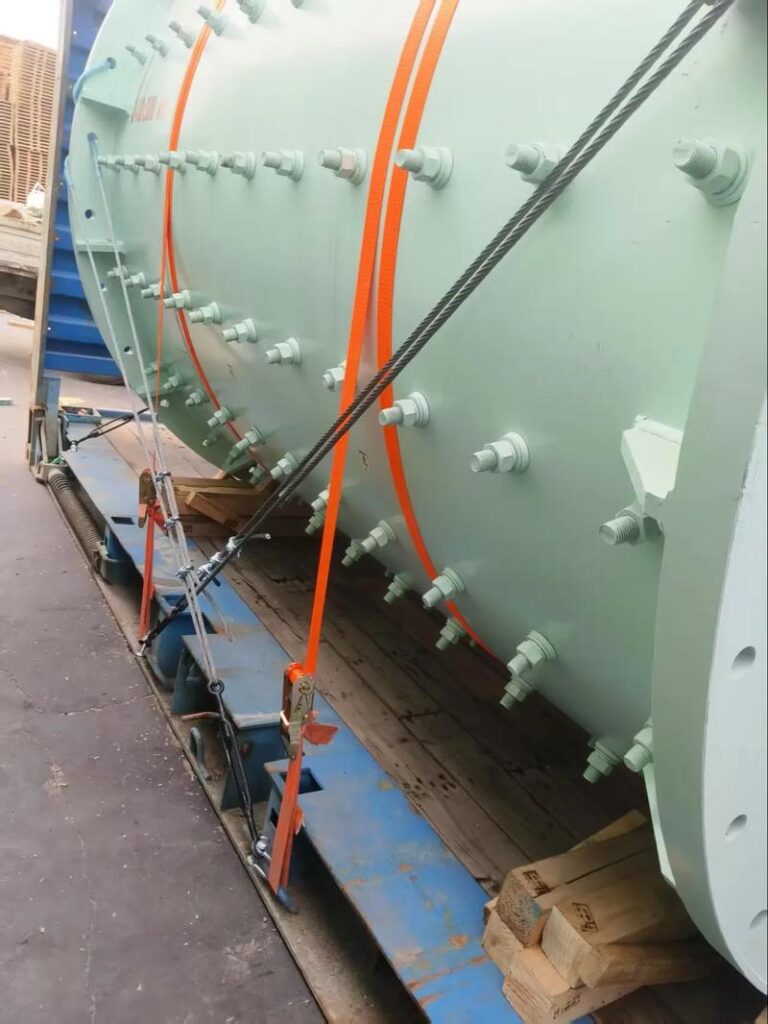
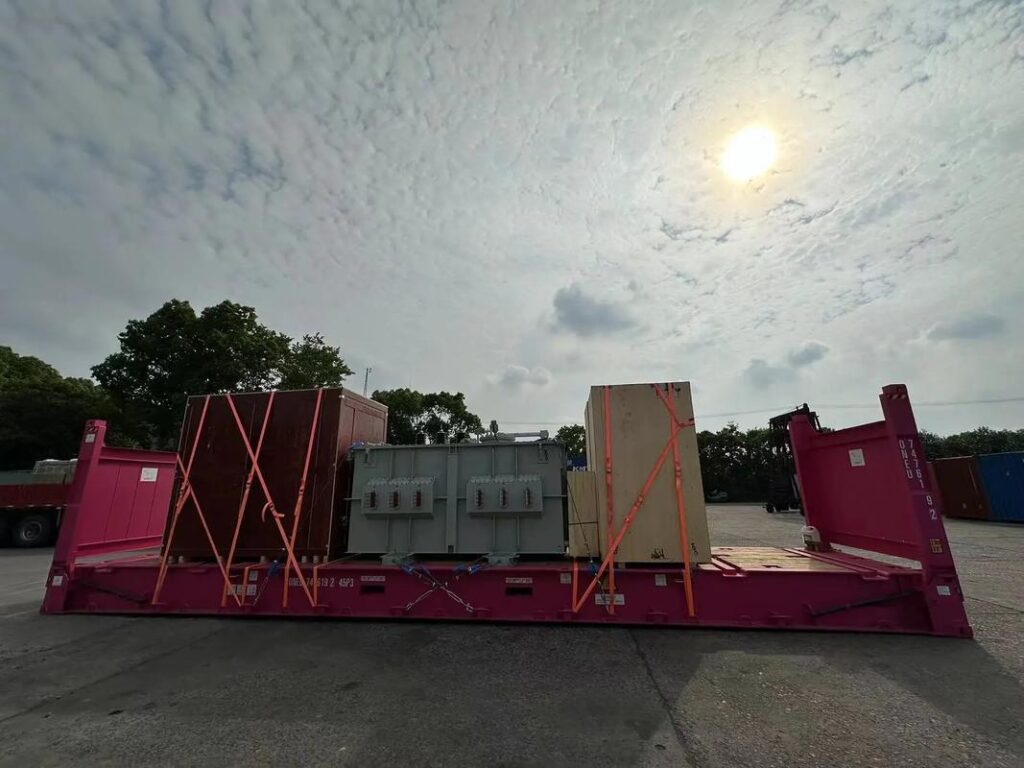
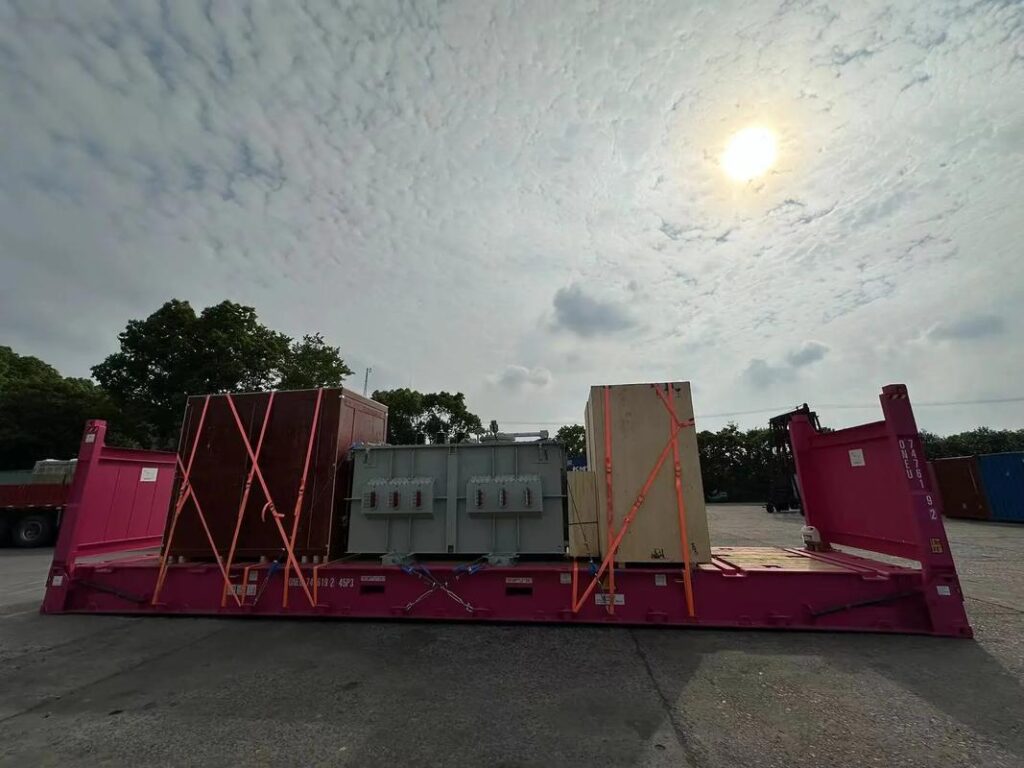
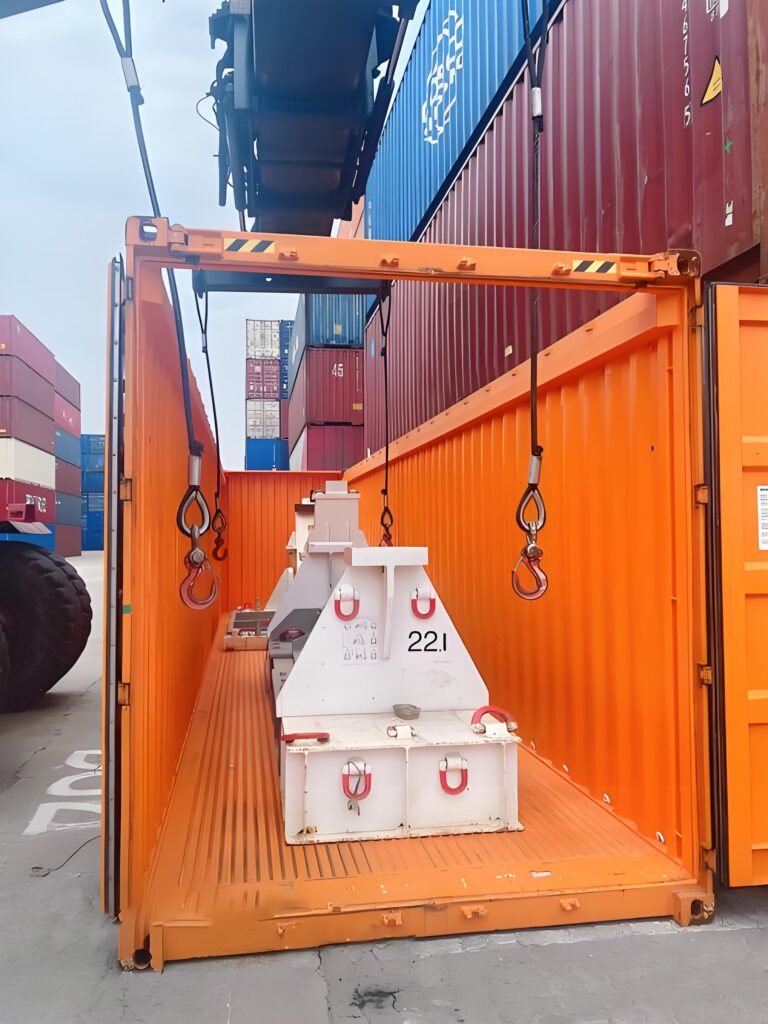
The Trans-Pacific trade lane is the busiest and most volatile in the world. For businesses shipping standard goods, the rhythm is familiar: peak season surcharges, equipment shortages, and port congestion. However, for those dealing in Specialized Cargo (特种柜)—the heavy machinery, the over-dimensional industrial parts, and the delicate high-value equipment—the stakes are exponentially higher. When you need to move a 40-ton injection molding machine from Ningbo to Los Angeles, or a 60-cbm marble sculpture from Xiamen to Vancouver, the conversation shifts from “price per container” to “total landed cost and reliability.” This article provides a deep dive into the dynamics of the North America Trade Lane (USA & Canada) for specialized containers. We will explore how a true expert leverages “Direct Port-to-Port” advantages and integrates Customs Clearance and Final Mile Delivery to create a seamless, cost-effective solution.
Chapter 1: The North American Context – Why Specialized Cargo is Different Here
Shipping to North America presents unique challenges that do not exist on the Asia-Europe route.
- The Intermodal Challenge: Unlike Europe, where destinations are relatively close to the ports, North America is vast. Once your Flat Rack arrives in Long Beach, it might need to travel 2,000 miles by rail to Chicago or by truck to Dallas. This requires specialized chassis and railcars.
- Regulatory Rigor: U.S. Customs and Border Protection (CBP) and the Canada Border Services Agency (CBSA) are stringent. A single misstep in the ISF (Importer Security Filing) or the AMS (Automated Manifest System) can result in fines of $5,000 or more, plus weeks of delay.
- Chassis Shortages: In North America, the chassis (the wheeled frame the container sits on) is often separate from the shipping line. Specialized containers like Flat Racks require specialized heavy-lift chassis, which are frequently in short supply.
Chapter 2: The “Direct Route” Advantage – Skipping the Transshipment Nightmare
Many forwarders offer “cheaper” rates by routing specialized cargo through intermediate hubs like Busan or Tokyo. For standard boxes, this is fine. For specialized containers, it is a disaster waiting to happen. The Risk of Transshipment for Specialized Cargo:
- Handling Damage: Every time a Flat Rack is lifted from one vessel to another, the lashings are stressed. Multiple lifts increase the chance of a broken weld or a shifted load.
- Equipment Loss: Specialized containers are expensive. During busy transshipments, carriers often “roll” (delay) specialized equipment in favor of standard containers.
- Visibility Loss: Tracking a Flat Rack through two different carriers and two ports is a logistical nightmare.
The Expert Strategy: Direct Services A professional forwarder focuses on securing space on Direct Vessels from key Chinese ports:
- From Shanghai/Ningbo to Los Angeles/Long Beach: The fastest route for the US West Coast.
- From Qingdao/Yantian to New York/Newark: The primary route for the US East Coast.
- From Shanghai/Vancouver: The gateway to Western Canada.
By leveraging Contract Rate Agreements with carriers like COSCO, Evergreen, and ZIM, experts secure priority loading for specialized cabinets, ensuring your 40FR (40ft Flat Rack) sails on schedule.
Chapter 3: Deconstructing the “Advantageous Rate” – It’s More Than Ocean Freight
When a forwarder quotes an “advantageous rate” for the North America lane, they must demonstrate value across three dimensions:
1. The Ocean Freight Component
The base rate for a 40FR to the US West Coast is significantly higher than a standard 40HC. An expert doesn’t just mark up the carrier’s rate. They provide:
- Space Guarantees: Ensuring you aren’t “rolled” during peak season.
- Equipment Guarantees: Ensuring the Open Top or Flat Rack is available at the right time.
2. The Terminal Handling & Surcharges
Specialized cargo incurs higher costs at both ends.
- Origin THC (China): Higher due to the need for specialized cranes.
- Destination THC (USA/Canada): Often double that of standard containers.
- The PSS (Peak Season Surcharge): Experts mitigate this by booking well in advance.
3. The Chassis and Rail Component
This is where most quotes fail. A true one-stop quote includes:
- Chassis Split: If the specialized chassis is not available at the port, the container must be “chassised” elsewhere, incurring a split fee. An expert has pre-negotiated chassis agreements.
- Rail Billing: For inland points (IPI), the quote must cover the cost of moving the Flat Rack on a well-car (railcar).
Chapter 4: The Integration of Customs Clearance – Avoiding the $10,000 Mistake
Customs clearance for specialized cargo is not a commodity service. It requires specific expertise.
The ISF Filing for OOG (Out-of-Gauge)
For the USA, the Importer Security Filing (ISF) must be filed 24 hours before the vessel departs China. For specialized cargo, the description must be precise.
- The Pitfall: Describing a machine simply as “machinery parts.” This triggers a CBP exam.
- The Expert Move: Filing with the precise HTS (Harmonized Tariff Schedule) code and a detailed description, including the weight and dimensions. This reduces the risk of an exam.
The Bond Requirement
For OOG and Heavy Lifts, CBP often requires a higher Continuous Bond amount. An expert forwarder acts as a customs broker or partners with one, ensuring the bond is sufficient to cover the high value of the cargo.
Chapter 5: The Final Mile – Physical Delivery in North America
The job isn’t done when the ship docks. Delivering a specialized container in North America requires heavy-lift logistics.
Case Study: The Injection Molding Machine (Shanghai to Columbus, Ohio)
- Cargo: A 45-ton injection molding machine in a 40FR.
- The Challenge: The machine must go from Shanghai to Long Beach by sea, then by rail to Chicago, then by truck to Columbus.
- The Expert Solution:
- Booking: Secured a direct vessel to LA to avoid rail transfers at the coast.
- Rail: Booked a heavy-lift well-car on the BNSF railway.
- Trucking: Coordinated with a specialized heavy-haul trucker in Ohio with a lowboy trailer.
- Permits: Managed the oversized transport permits for the final mile delivery in Ohio.
- Crane: Arranged for a mobile crane to offload the machine at the consignee’s factory.
Chapter 6: Why China-Based Experts Have the Upper Hand
While there are many forwarders in Los Angeles, the control must start in China.
- Origin Control: The lashing and securing of the cargo happen in China. If the lashing is done poorly in Shanghai, no amount of careful driving in Texas will save it.
- Communication: Time zone differences matter. If there is an issue with the ISF filing at 10 PM Shanghai time, a China-based expert can fix it immediately. A US-based forwarder is asleep.
- Carrier Relationships: Chinese forwarders have more leverage with the shipping lines (COSCO, OOCL, etc.) to get equipment and space during shortages.
Chapter 7: The Checklist for Your Next North America Shipment
When requesting a quote for a specialized container to the USA or Canada, ensure your forwarder provides:
- [ ] All-Inclusive Rate: Including Origin THC, Ocean Freight, Destination THC, and Chassis Fees.
- [ ] Customs Brokerage: Confirmation that they handle ISF/AMS filing and have a US partner.
- [ ] Lashing Certificate: Proof that the cargo was secured according to international standards.
- [ ] Inland Routing: A clear plan for rail or truck from the port to the final door.
- [ ] Insurance: Specialized cargo insurance that covers the full value and the risks of OOG transport.
Conclusion: Total Landed Cost is the Only Metric
When shipping specialized containers from China to North America, the lowest ocean freight rate is almost always the most expensive choice. The savings are quickly erased by demurrage, detention, chassis splits, and customs exams. The true “Advantageous Rate” is found in integration. It is the peace of mind that comes from knowing your 40-ton machine is lashed correctly in Shanghai, cleared through US Customs without a hitch, and delivered safely to your factory floor in Detroit or Toronto. Choose the partner who controls the entire journey, not just the ocean crossing.
需


