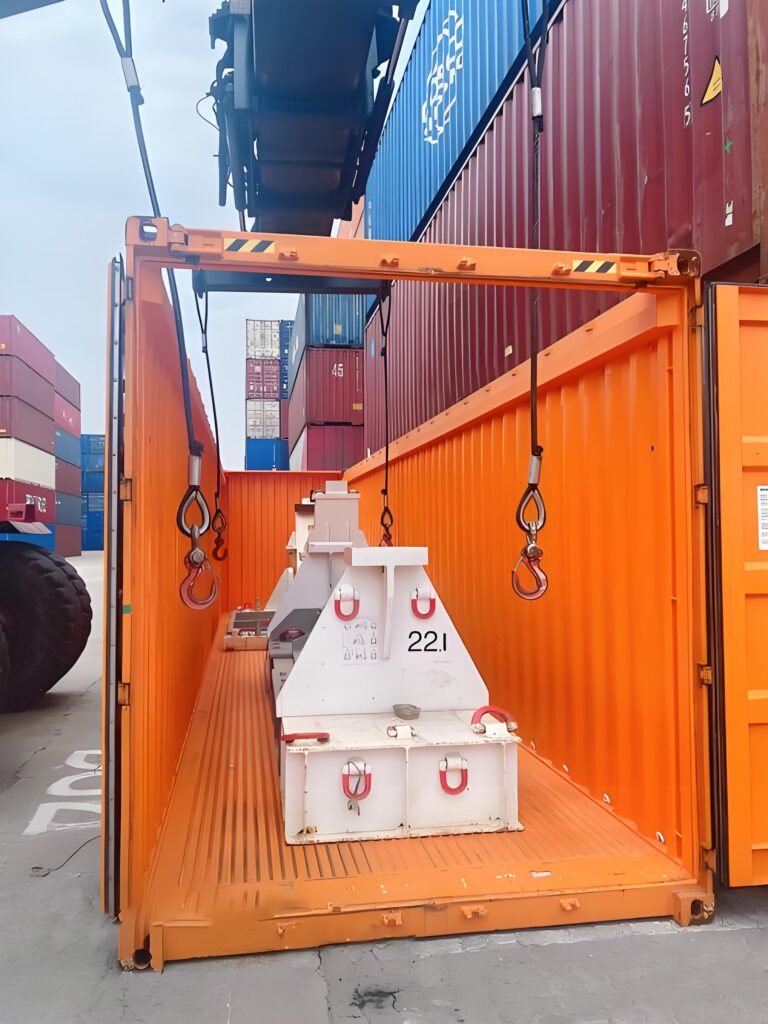
The global energy transition is accelerating, and with it, the complexity of moving its hardware. For manufacturers of Energy Storage Systems (ESS), Lithium-Ion batteries, and Photovoltaic (PV) inverters, the factory gate is no longer the finish line. The real challenge begins when your multi-ton, high-voltage cargo needs to clear customs and cross oceans. In this high-stakes arena, “standard” freight forwarding is a recipe for disaster. One misstep in Dangerous Goods (DG) declaration, one missing seal on a container, or one misunderstood regulation at the destination port can lead to catastrophic delays, confiscation of goods, or million-dollar fines. We are not just freight forwarders; we are the New Energy Special Container Principal. We specialize in the DG-compliant export of ESS, Lithium Batteries, and PV Inverters, providing professional maritime filing and end-to-end global delivery. Here is why we are the industry’s first choice.
The Invisible Minefield of New Energy Shipping
Shipping new energy products is not merely logistics; it is regulatory navigation. The rules governing these items fall under the IMDG Code (International Maritime Dangerous Goods Code), specifically targeting Class 9 (Miscellaneous Dangerous Substances).
1. The Complexity of Energy Storage Systems (ESS)
An ESS is not just a battery; it is a sophisticated integration of high-voltage battery racks, a Battery Management System (BMS), and thermal management systems.
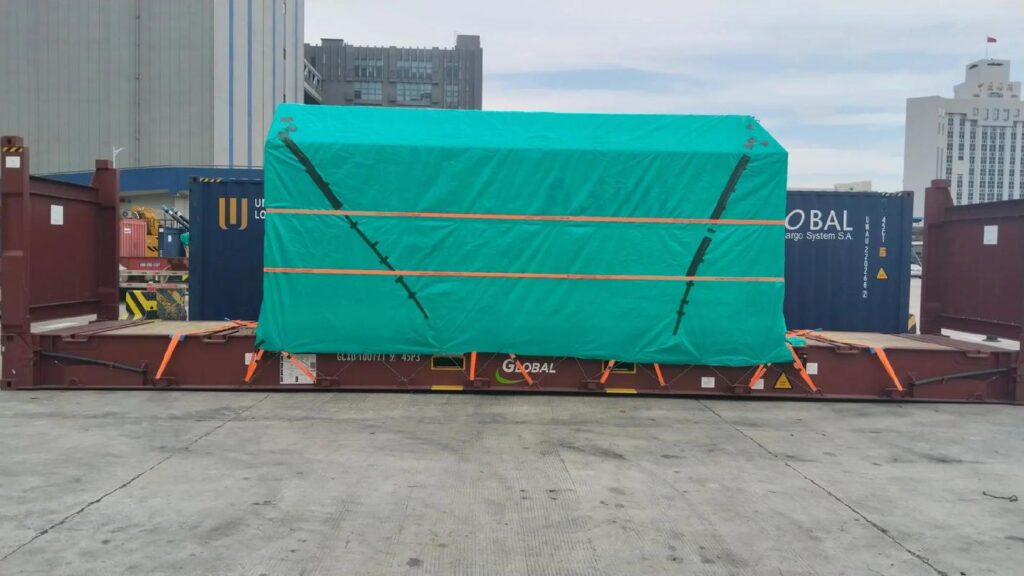
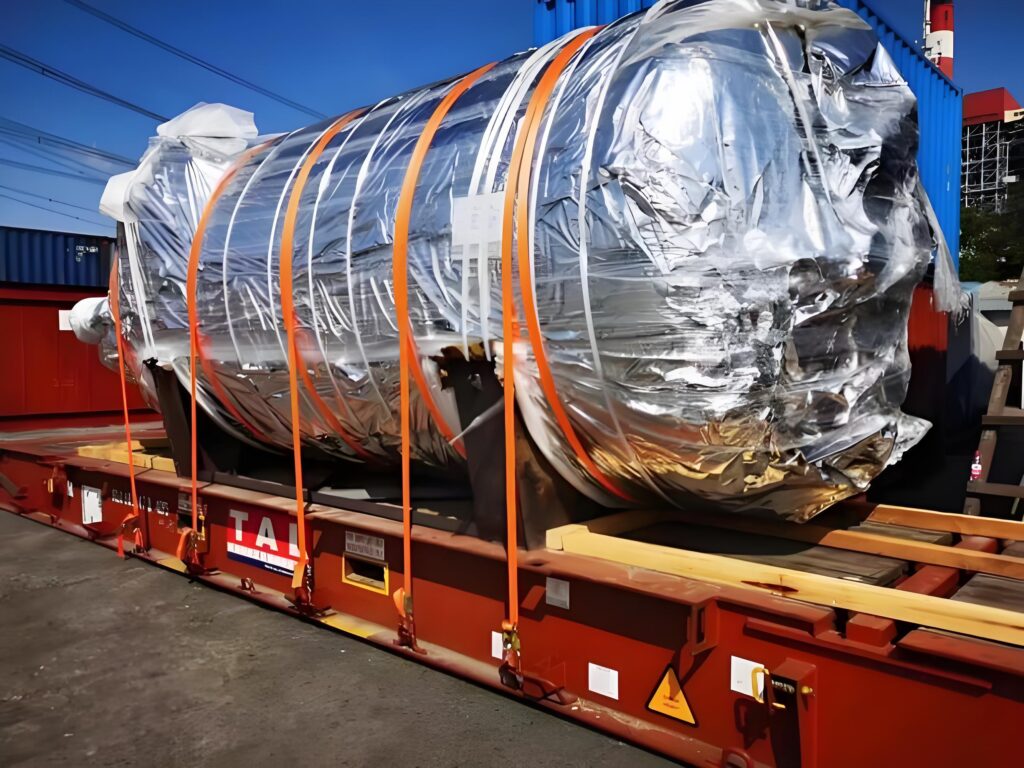
- The Challenge: Most ESS units are overweight and oversized, requiring Flat Racks (FR) or Open Tops (OT). However, they contain lithium cells, classifying them as DG. This hybrid nature confuses ordinary forwarders.
- The Consequence: Misclassifying an ESS as “machinery” instead of “Class 9 DG” leads to customs seizure and potential blacklisting of your company.
2. The Lithium Battery Labyrinth
Lithium batteries (UN3480, UN3091) are the most strictly scrutinized cargo in global trade.
- The Requirement: Perfect MSDS (Material Safety Data Sheets), valid UN38.3 test reports, and 1.2-meter drop tests.
- The Reality: Many factories provide outdated or incorrect documentation. Without an expert to pre-audit these files, your shipment will be rejected at the terminal gate.
3. PV Inverters: The Deceptive Risk
While PV Inverters themselves may not be DG, they often ship with large capacitors or batteries, or are simply too heavy for standard containers.
- The Need: Proper crating to prevent internal component damage from vibration during ocean transit.
Our Solution: Total DG Compliance & Professional Filing
We don’t just book space; we manage the entire compliance lifecycle. Our “First Choice” status is built on three pillars:
1. Pre-Shipment Technical Audit
Before your cargo reaches the port, our DG specialists conduct a rigorous review:
- Document Scrutiny: We verify your MSDS, DG declarations, and test reports line-by-line against the latest IMDG amendments.
- Packaging Inspection: We check for UN-approved packaging, proper cushioning, and the correct hazard labels (Class 9 stickers, handling labels).
2. Professional Maritime Filing (The “Secret Sauce”)
In China, exporting DG cargo requires filing with the local Maritime Safety Administration (MSA). This is a high-friction process where errors cause immediate rejection.
- Our Advantage: We have dedicated DG filing officers with direct system access and established relationships with port authorities. We ensure your filing is accepted on the first submission, preventing costly delays.
3. Specialized Container Engineering
New energy cargo requires specialized handling:
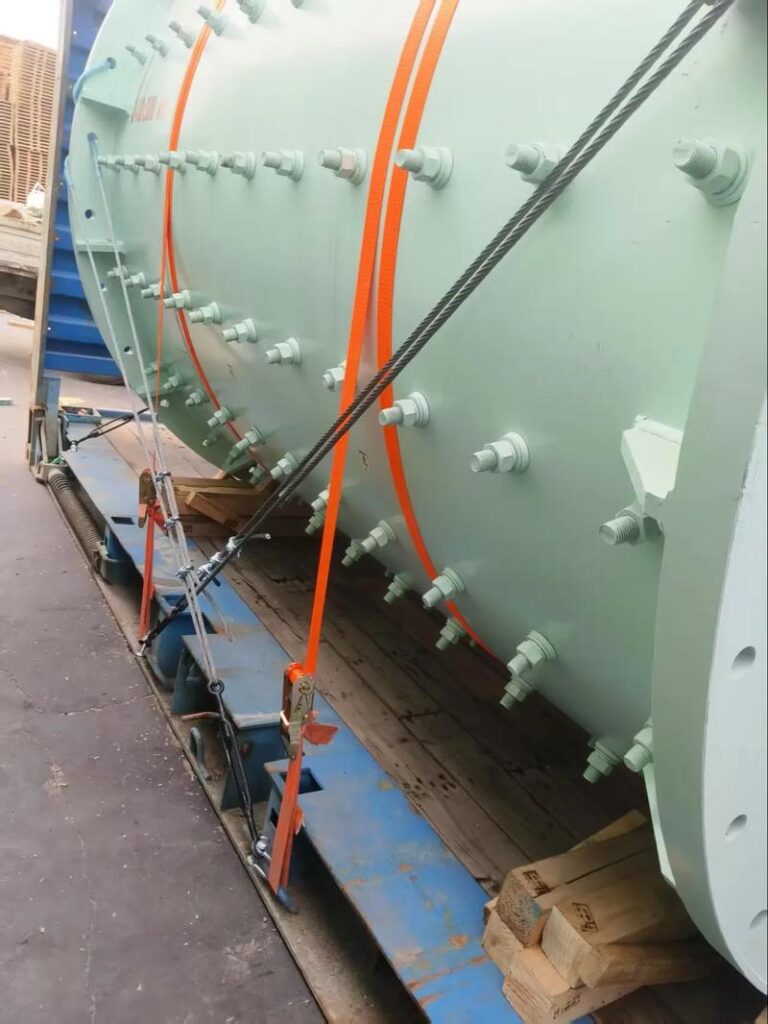
- ESS & Heavy Inverters: We utilize Flat Racks with custom-built steel cradles to prevent shifting. We calculate the Center of Gravity (CoG) to ensure safe crane lifts.
- Battery Packs: We ensure strict segregation requirements are met, preventing short circuits and thermal runaway risks during transport.
Case Study: The $2 Million ESS Rescue in Rotterdam
The Client: A leading utility-scale battery storage manufacturer. The Crisis: A 40-ton ESS shipment was detained at the Port of Rotterdam. The previous forwarder had incorrectly declared the cargo, and the local authorities threatened to destroy the cargo and fine the consignee heavily. Our Intervention:
- Immediate Compliance Review: We identified the discrepancies in the original DG Manifest.
- Regulatory Liaison: Our European partners communicated directly with Dutch Customs, providing supplementary technical data and safety certifications that the original forwarder didn’t even know existed.
- Re-routing & Delivery: We arranged for a specialized hazmat transport truck to move the cargo to a compliant warehouse for re-inspection and final delivery.
The Result: The cargo was released within 48 hours. The client avoided a $2 million loss and retained their European distributor.
Global Delivery: Beyond the Port
Our service doesn’t end when the ship leaves Shanghai or Ningbo. We provide true “Door-to-Door” visibility.
- Destination Customs Clearance: We work with a vetted network of DG-licensed customs brokers in the US, EU, and Australia who understand the nuances of new energy imports.
- Final Mile Delivery: We coordinate specialized heavy-lift trucks for oversized ESS units, ensuring they arrive at the solar farm or grid station safely.
Conclusion: Choose Certainty in an Uncertain World
The new energy supply chain is volatile. Geopolitical shifts, changing regulations, and port congestion are constant threats. You cannot afford to gamble with a forwarder who treats your high-value, high-risk cargo as just another box. We are the Preferred Partner for New Energy Special Containers. We combine technical DG expertise, professional maritime filing, and global logistics execution to ensure your cargo arrives safely, legally, and on time. Don’t let compliance issues ground your expansion. Contact us today for a technical consultation and a seamless shipping solution for your energy storage, lithium battery, or PV inverter cargo.


