In the high-stakes world of international logistics, shipping standard cargo is a procedure; shipping Dangerous Goods (DG) is a discipline. For manufacturers of chemicals, paints, batteries, or corrosives, the margin between a successful delivery and a catastrophic supply chain disruption is measured in microns of compliance. One misstep in classification, one missing placard, or one poorly executed MSDS (Material Safety Data Sheet) can lead to cargo seizure, six-figure fines, or permanent blacklisting by carriers and customs. Yet, global trade demands the movement of these goods. The solution isn’t to avoid them, but to master the process. As DG Shipping Specialists, we focus exclusively on Classes 3, 4, 8, and 9, providing professional declaration services that ensure compliant export, prevent customs detention, and safeguard your supply chain integrity.
Understanding the Beast: Classes 3, 4, 8, and 9
The IMDG Code (International Maritime Dangerous Goods Code) is vast, but certain classes present the most frequent and complex challenges. Our expertise is honed on these specific frontiers:
1. Class 3: Flammable Liquids (The Volatile Threat)
From solvents and alcohols to paints and adhesives.
- The Challenge: Flashpoint accuracy. A discrepancy of 1°C in your flashpoint declaration can change the stowage category, banning your cargo from certain vessels.
- Our Solution: Precise verification of UN numbers (e.g., UN1263 for Paint, UN1170 for Ethanol) and strict adherence to packing group (PG) requirements.
2. Class 4: Flammable Solids (The Hidden Risk)
Including sulfur, matches, and carbon.
- The Challenge: Self-reactive substances and desensitized explosives. These require specific segregation from other classes to prevent catalytic reactions.
- Our Solution: Advanced stowage planning to ensure compatibility, preventing dangerous proximity to oxidizers or acids.
3. Class 8: Corrosives (The Silent Destroyer)
Acids (like sulfuric acid) and alkalis (like sodium hydroxide).
- The Challenge: Packaging integrity. Leakage can destroy the container, the vessel, and other cargo.
- Our Solution: Rigorous inspection of packaging groups and the use of corrosion-resistant liners. We ensure your drums meet the UN certification standard (e.g., UN1A1 for steel drums).
4. Class 9: Miscellaneous Dangerous Substances (The Modern Frontier)
Lithium batteries (UN3480/UN3481), environmentally hazardous substances, and elevated temperature substances.
- The Challenge: Rapidly evolving regulations. Lithium battery rules change every amendment cycle.
- Our Solution: Real-time monitoring of IMO (International Maritime Organization) updates. We manage the complex requirements for State of Charge (SoC <30% for air, specific limits for sea) and SP 188/SP 360 special provisions.
The Anatomy of a “No-Detention” Declaration
Why do general forwarders fail at DG? They treat it as a paperwork exercise. We treat it as a regulatory defense strategy. Step 1: The MSDS Audit Most suppliers provide generic MSDS. We perform a line-by-line audit:
- Is Section 14 (Transport Information) consistent with the latest IMDG code?
- Is the Marine Pollutant status correctly identified?
- Are the Emergency Response procedures accurate?
Step 2: The 24-Hour Rule & Pre-Filing Many ports (especially in China, the USA, and Europe) require DG cargo to be filed with the port authority 24 hours before gate-in.
- Our Action: We file with the Maritime Safety Administration (MSA) and the Terminal simultaneously. We don’t wait for the carrier; we proactively clear the cargo for entry.
Step 3: The Container Packing Certificate (CPC) This is the document that kills shipments. A generic CPC is useless.
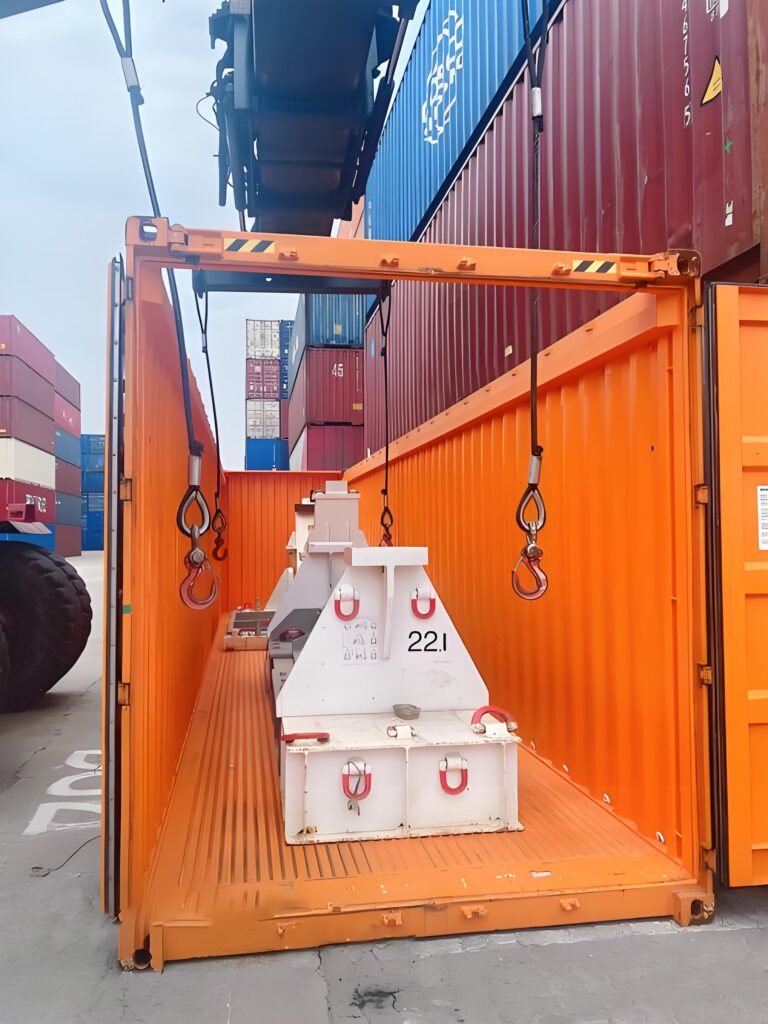
- Our Action: We issue a technically accurate CPC, detailing the gross weight, the number of packages, and the specific lashing points used to secure the DG cargo inside the container.
Case Study: The $180,000 Battery Seizure Averted
The Client: A leading European e-mobility company. The Cargo: 20 x 40HC containers of Electric Scooters (Lithium-ion Batteries, Class 9, UN3481). The Destination: Los Angeles, USA. The Crisis: The previous forwarder attempted to declare the cargo as “E-bikes” without mentioning the batteries. At the Los Angeles port, CBP (Customs and Border Protection) scanned the containers, detected the batteries, and seized the cargo under the Lacey Act and Hazardous Materials Transportation Act. Our Intervention:
- Emergency Re-declaration: We provided the correct DG manifest and the required Shipper’s Declaration for Dangerous Goods.
- US DOT Compliance: We ensured the shipment met 49 CFR (Code of Federal Regulations) requirements for highway transport from the port to the warehouse.
- Mitigation: We coordinated with the port’s hazmat team to move the cargo to a compliant storage facility while the paperwork was corrected.
The Result: The cargo was released within 72 hours. The client avoided a $180,000 fine and the destruction of the goods.
Beyond Paperwork: Physical Assurance
Compliance isn’t just digital; it’s physical.
- Container Selection: We never use old, dented, or rusty containers for DG. We select “young” containers with intact floors to prevent leakage absorption.
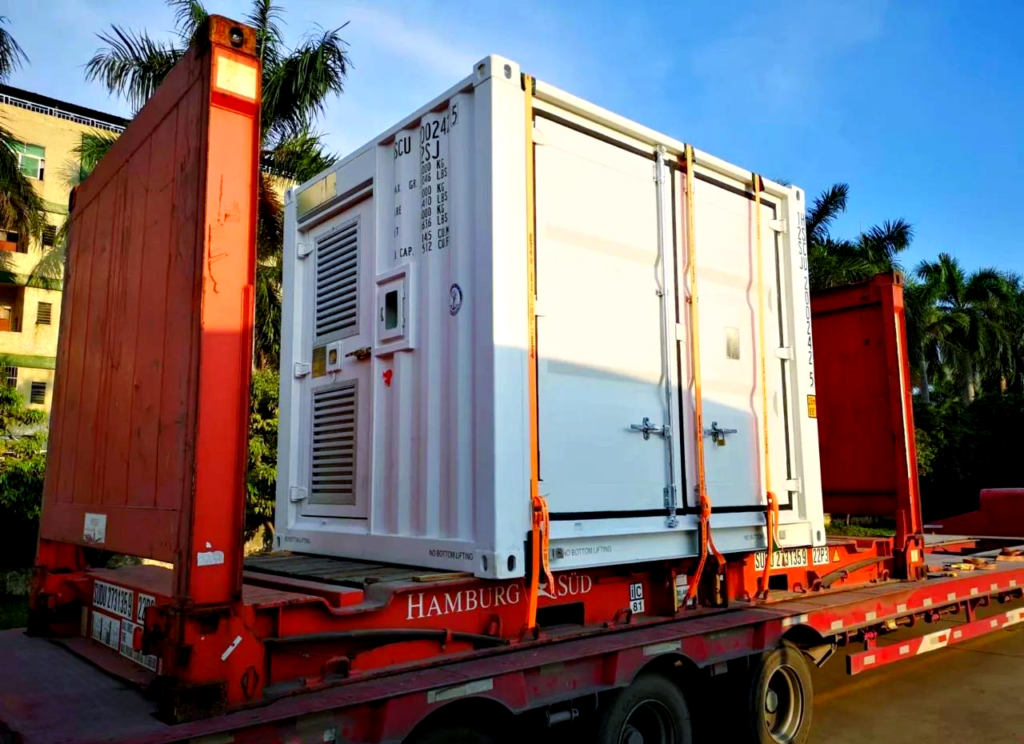
- Segregation: We physically ensure that incompatible classes (e.g., Class 8 Corrosives and Class 4 Flammables) are not loaded adjacent to each other in the same container or on the same vessel slot.
- Placarding: Correct placards must be affixed to all four sides of the container. A missing placard is an instant red flag for port state control.
Protecting Your Supply Chain Integrity
When you choose a non-specialist, you are outsourcing your risk. When you choose us, you are outsourcing your compliance assurance.
- Carrier Relationships: We have DG-approved contracts with major lines (Maersk, COSCO, Hapag-Lloyd). They trust our declarations, which means fewer physical inspections and faster loading.
- Global Network: Our partners in the US, EU, and UK are DG-licensed. We ensure your cargo clears customs abroad without the “sticker shock” of unexpected hazmat fees.
Conclusion: Don’t Gamble with Dangerous Goods
The cost of a DG specialist is a fraction of the cost of a mistake. If you are manufacturing or trading in Class 3, 4, 8, or 9 commodities, you need a partner who speaks the language of regulators. We provide the technical expertise, the regulatory vigilance, and the operational execution to move your dangerous goods safely and compliantly. Contact us today for a technical audit of your next DG shipment. Ensure your cargo moves, unimpeded, from factory floor to final destination.Dangerous Goods Division | Your Shield in Global Logistics


