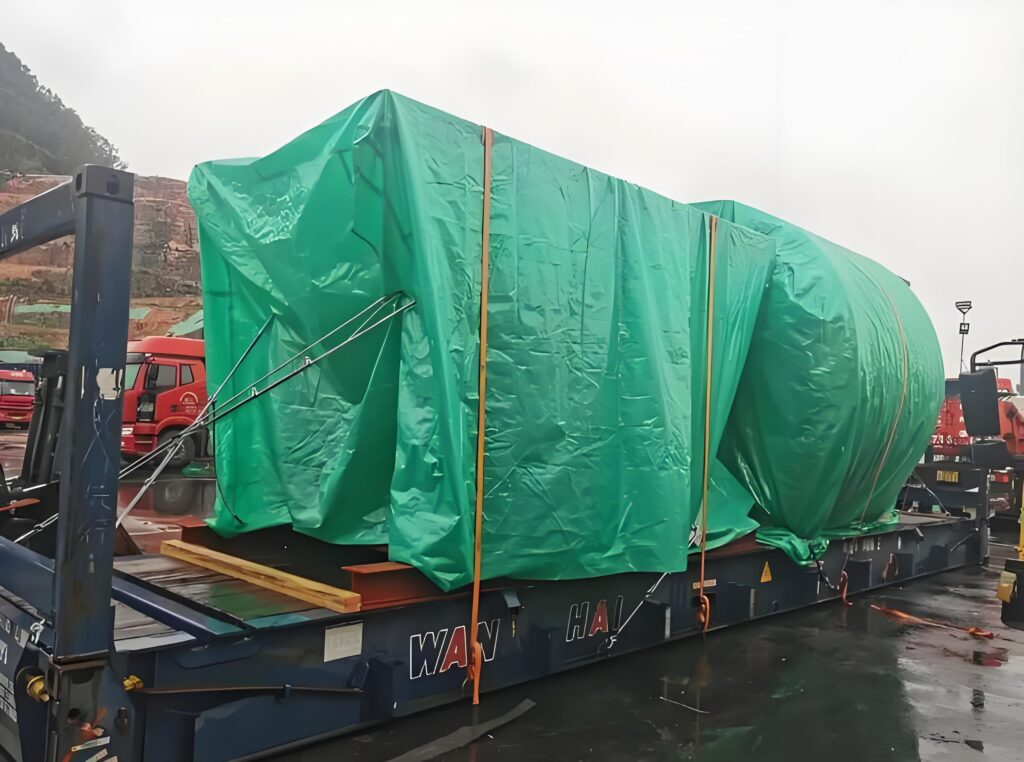
In the theater of global infrastructure and industrial expansion, the margin between a profitable project and a financial catastrophe is often determined not by the machinery itself, but by the logistics strategy employed to move it. When you are tasked with shipping 50,000 freight tons of power plant components or an entire production line across the ocean, the question is no longer “Who has the cheapest rate?” but rather “Who can architect the most economical transportation ecosystem?” The conventional approach of simply calling a freight forwarder for a container quote is obsolete. Large-scale project cargo demands a sophisticated, multi-channel strategy. At our firm, we don’t just move cargo; we engineer cost-optimized transportation solutions by leveraging three distinct channels: Special Containers (OT/FR), Break-Bulk (BB), and Roll-on/Roll-off (Ro-Ro) vessels. This article deconstructs how we utilize multi-channel rate comparison to deliver the “Cheapest” solution—not by cutting corners, but by matching the right cargo with the right mode of transport at the right price.
The Fallacy of Single-Mode Thinking
Many project managers fall into the trap of familiarity. They know containers, so they try to fit everything into a container, even if it requires expensive cutting and welding. Or, they assume Break-Bulk is always cheaper for heavy items. The Reality:
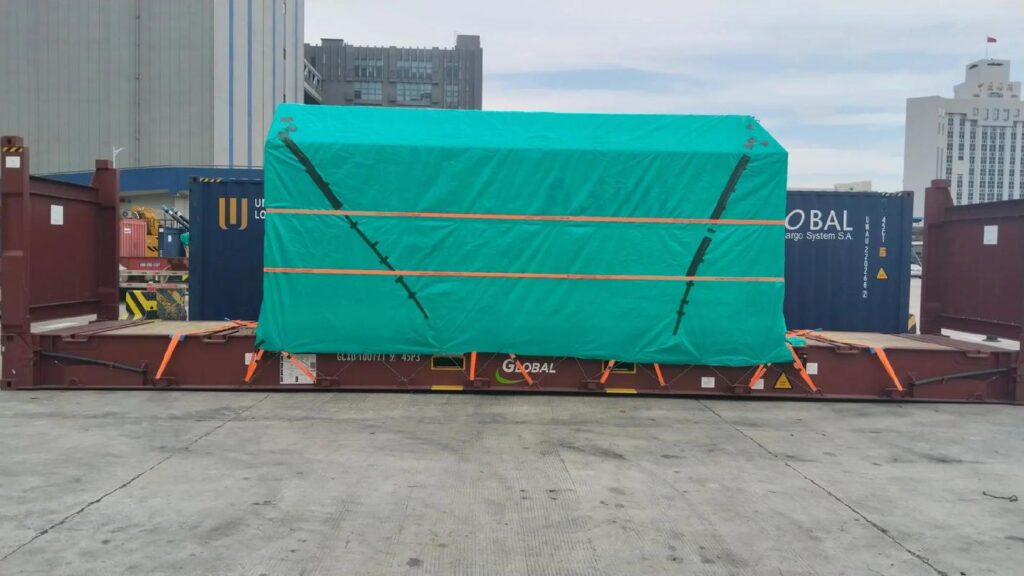
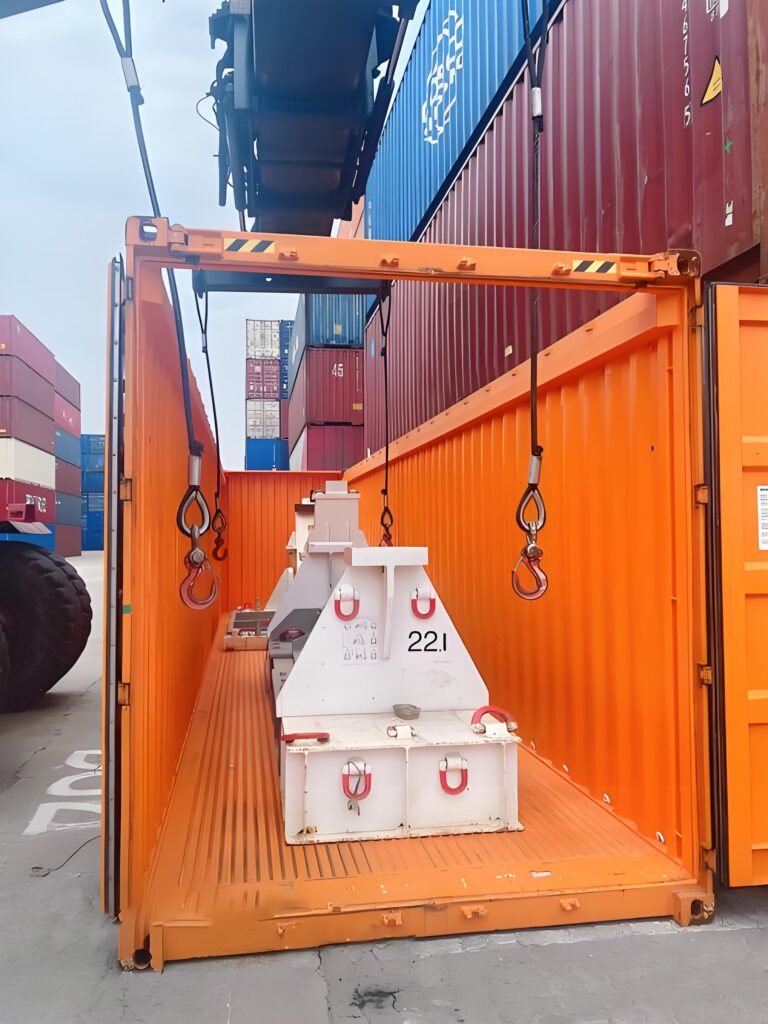
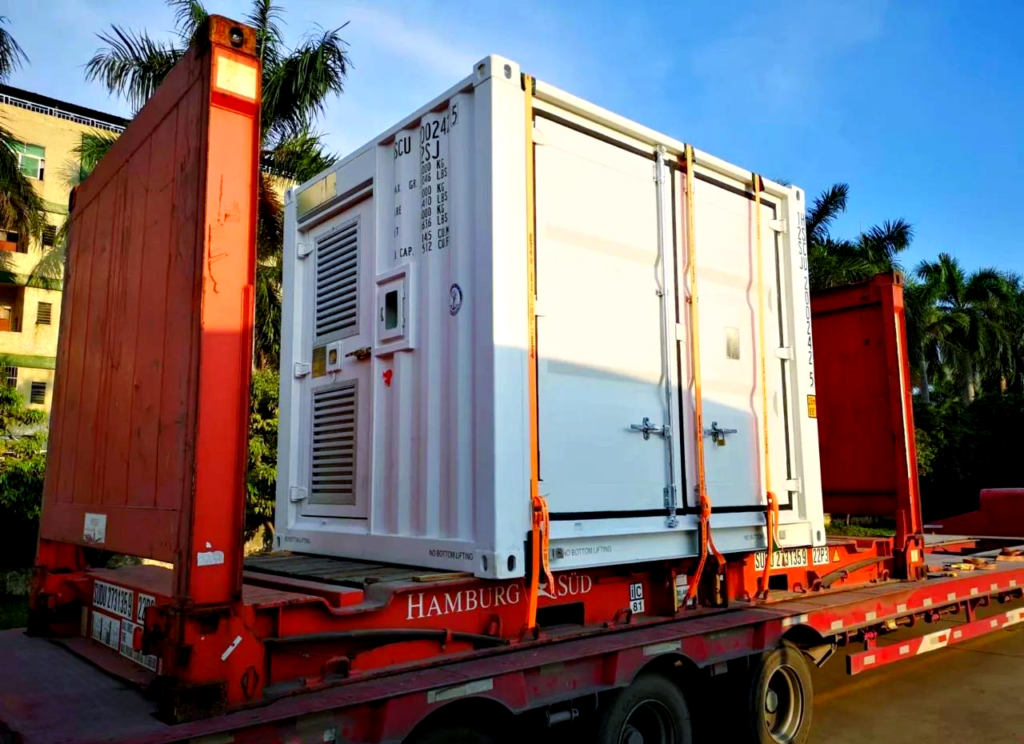
- Special Containers (Flat Racks/Open Tops): Best for high-value, modular equipment that needs protection but exceeds standard dimensions.
- Break-Bulk: Best for massive, non-wheeled structures that cannot fit into any containerization.
- Ro-Ro (Roll-on/Roll-off): Best for wheeled or tracked cargo (trucks, excavators, locomotives).
Choosing the wrong mode can increase your logistics costs by 30-50%. Our role is to conduct a forensic financial analysis of all three.
The Multi-Channel Comparison Framework
We provide a Comparative Transport Proposal that evaluates your cargo across three distinct matrices. Here is how we dissect a typical project shipment:
1. The Special Container Route (The “Precision” Play)
- Mechanism: Utilizing 40′ Flat Racks (FR) or Open Tops (OT).
- Cost Drivers: Ocean freight, special equipment surcharges, inland trucking (which is often cheaper due to standard chassis), and port handling.
- Ideal Scenario: Cargo that is over-dimensional but not excessively heavy (under 40 tons per unit). The cost-effectiveness comes from the efficiency of container terminal handling and the ability to stuff multiple smaller pieces into one frame.
2. The Break-Bulk Route (The “Heavy Lift” Play)
- Mechanism: Loading cargo directly onto the ship’s deck or into the hold as individual pieces.
- Cost Drivers: Liner terms (L/D), heavy lift charges, gear rental (cranes), and wharfage.
- Ideal Scenario: Extremely heavy units (100+ tons) or awkwardly shaped structures (wind blades, reactors). The savings come from avoiding the “dead space” and weight limits of containers.
3. The Ro-Ro Route (The “Self-Propelled” Play)
- Mechanism: Driving cargo onto a specialized vessel.
- Cost Drivers: LO-LO (Lift-on/Lift-off) fees are replaced by RO-RO fees. Often includes Mafi trailer rental.
- Ideal Scenario: Any cargo with wheels or tracks. This is often the cheapest method because it eliminates crane costs at both ends.
Case Study: The $240,000 Saving on a Cement Plant Project
The Project: Shipping a 2,000-ton cement production line from Tianjin to Lagos, Nigeria. The Cargo: Kiln shells, gearboxes, motors, and control panels. The Conventional Quote (Competitor): The competitor quoted a pure Break-Bulk solution. They estimated 12,000 cubic meters of volume and quoted a rate of $95 per freight ton (FT).
- Estimated Cost: $1,140,000 + $150,000 in local charges = $1,290,000.
Our Multi-Channel Proposal: We analyzed the Bill of Materials (BOM) and segmented the cargo into three categories:
- The Heavy Lifts (Kiln Shells): Too long and heavy for containers. We quoted Break-Bulk. Rate: $85/FT.
- The Modular Units (Gearboxes/Motors): High-value, sensitive equipment. We quoted 40′ Flat Racks. Rate: $6,800 per FR.
- The Bulk Items (Piping/Cables): Standard dimensions. We quoted Dry Containers (40HC). Rate: $3,200 per box.
The Result:
- Break-Bulk Volume: 7,000 FT @ $85 = $595,000
- Flat Racks: 15 units @ $6,800 = $102,000
- Dry Containers: 40 units @ $3,200 = $128,000
- Local Charges: $125,000
- Total Cost: $950,000
The Saving: We saved the client $340,000 (26.3%) simply by not using a one-size-fits-all approach.
The Technical Edge: Why We Can Offer the “Cheapest” Solution
Being the “cheapest” does not mean being the “cheapest per container.” It means having the technical authority to optimize the mix.
1. Stowage Planning & Cubic Efficiency
Our engineers create a Digital Twin of the vessel’s hold. We calculate how to nest irregular shapes together to minimize wasted air space. In Break-Bulk, air is money. By improving stowage density by 15%, we effectively reduce the freight tonnage billed.
2. Regulatory Arbitrage
Different countries have different import duties for different shipping modes. Sometimes, importing as “Break-Bulk” attracts lower tariffs than “Containerized” cargo. Our customs experts advise on the most fiscally advantageous mode of entry.
3. Inland Haulage Optimization
A “cheap” ocean rate can be destroyed by an “expensive” inland move. We calculate the total landed cost. Sometimes, paying a slightly higher ocean rate for a port closer to the site saves hundreds of thousands in inland trucking for oversized loads.
The Risk Mitigation Factor
Large project cargo carries inherent risks. Our multi-channel approach also mitigates financial risk:
- No Single Point of Failure: If the Break-Bulk ship is delayed, we can shift some cargo to Flat Racks on a container vessel.
- Insurance Optimization: Different modes require different insurance premiums. We help you navigate the General Average (GA) implications of Break-Bulk versus the limited liability of container shipping.
Conclusion: Engineer Your Savings
If you are managing a large-scale industrial or infrastructure project, stop asking for a single quote. Demand a Multi-Channel Comparative Analysis. We are the architects of your logistics budget. We leverage our 20 years of experience and direct contracts with Special Container lines, Break-Bulk tramp services, and Ro-Ro operators to find the mathematical sweet spot for your project. Contact us today with your project specifications. Let us build you a transportation proposal that maximizes savings without compromising safety or schedule.Project Cargo Division | Your Strategic Logistics Partner


