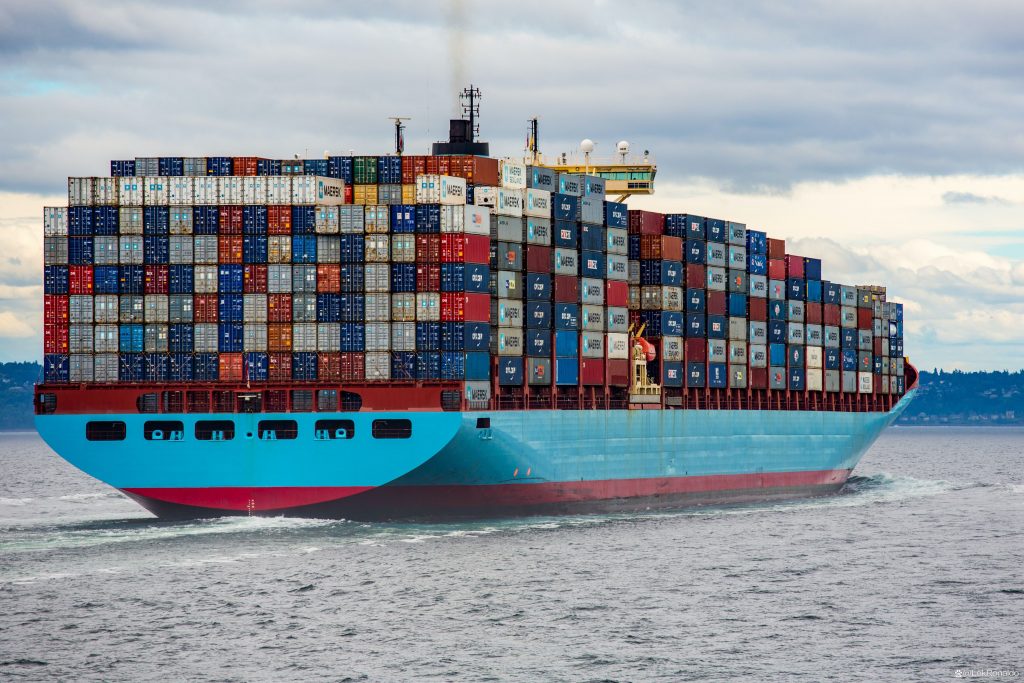
Shipping goods from China to East Timor may seem complex at first, but when broken down into clear steps, the process becomes simple and manageable. Whether you are a small importer, wholesaler, or e-commerce seller, understanding each stage helps you avoid delays, reduce costs, and ensure smooth delivery.
This guide explains the complete step-by-step process of shipping from China to East Timor.
Step 1: Confirm Product Details and Supplier
Before arranging shipping, you need to confirm:
- Product specifications
- Quantity and packaging method
- Supplier reliability
- Incoterms (EXW, FOB, etc.)
Clear communication with your supplier in China is the foundation of smooth logistics.
Step 2: Choose a Freight Forwarder
A professional freight forwarder plays a key role in international shipping.
They will help you:
- Arrange cargo pickup
- Handle customs documents
- Book shipping space
- Manage transportation and delivery
Choosing an experienced forwarder for China to East Timor routes is essential for avoiding unnecessary delays.
Step 3: Cargo Pickup and Warehouse Handling
Once goods are ready, the forwarder will:
- Pick up cargo from supplier
- Transport it to warehouse (if needed)
- Inspect packaging and labeling
- Consolidate shipments (for LCL or small cargo)
This step ensures goods are ready for export processing.
Step 4: Export Customs Clearance in China
Before leaving China, all goods must pass export customs clearance.
This includes:
- Commercial invoice
- Packing list
- Export declaration
- HS code classification
A freight forwarder usually handles this process to ensure compliance.
Step 5: International Shipping (Sea or Air)
After clearance, goods are shipped to East Timor via:
Sea Freight
- Best for bulk cargo
- Lower cost
- Longer transit time
Air Freight
- Fast delivery
- Higher cost
- Ideal for urgent goods
The choice depends on your budget and delivery timeline.
Step 6: Arrival and Import Customs Clearance in East Timor
When cargo arrives in East Timor, it must go through import customs.
This process includes:
- Submission of shipping documents
- Import duty assessment
- Inspection (if required)
- Customs approval
A reliable freight forwarder can handle this step on your behalf.
Step 7: Final Delivery to Destination
After customs clearance, goods are delivered to your final address.
Delivery options include:
- Door-to-door service
- Local trucking delivery
- Warehouse pickup
This completes the full shipping process.
Shipping Methods Summary
| Method | Best For | Speed | Cost |
|---|---|---|---|
| Sea Freight | Bulk goods | 15–30 days | Low |
| Air Freight | Urgent cargo | 3–7 days | High |
| DDP Shipping | E-commerce | Depends | All-in-one |
Common Mistakes to Avoid
To ensure smooth shipping, avoid:
- Incorrect product documentation
- Wrong HS code classification
- Poor packaging
- Choosing unreliable freight forwarders
- Ignoring import regulations in East Timor
These mistakes often cause delays or extra costs.
Tips for Faster and Safer Shipping
- Work with experienced China–East Timor forwarders
- Use proper packaging for long-distance transport
- Plan shipments ahead of peak seasons
- Consolidate small orders to save cost
- Confirm customs requirements before shipping
FAQ – Shipping from China to East Timor
Q1: How long does shipping take from China to East Timor?
Sea freight takes 15–30 days, while air freight takes 3–7 days.
Q2: Do I need to handle customs myself?
No, most freight forwarders provide full customs clearance services.
Q3: Can small businesses ship from China to East Timor?
Yes, LCL and air freight are suitable for small shipments.
Q4: What is the cheapest shipping method?
LCL sea freight is usually the most cost-effective option.
Conclusion
Shipping goods from China to East Timor becomes simple when you follow a structured step-by-step process. From supplier confirmation to final delivery, each stage plays an important role in ensuring smooth logistics.
By working with a reliable freight forwarder and choosing the right shipping method, businesses can reduce costs, avoid delays, and build a stable international supply chain.


