Importing products from China to the Netherlands can be highly cost-effective, but international shipping involves much more than simply booking a vessel or an aircraft.
A complete China to Netherlands freight forwarding service may involve supplier pickup, cargo consolidation, warehouse handling, export customs clearance, ocean or air transportation, import customs procedures, duties and taxes, and final delivery.
For importers, wholesalers, distributors, e-commerce businesses, manufacturers, and retailers, the right freight forwarding solution can make a significant difference in total landed cost, delivery time, and shipment reliability.
This guide explains how China to Netherlands freight forwarding works, which transportation options are available, what services a freight forwarder should provide, and how to choose the right shipping solution for your business.
What Does a China to Netherlands Freight Forwarder Do?
A freight forwarder acts as the logistics coordinator between the supplier in China and the consignee in the Netherlands.
Depending on the shipment requirements, the service may include:
- Supplier pickup
- Warehouse receiving
- Cargo inspection
- Cargo measurement
- Consolidation
- Repacking and palletizing
- Export customs clearance
- Sea freight
- Air freight
- Rail freight
- Import customs coordination
- Duties and tax arrangements
- Final-mile delivery
- Shipment tracking
- Documentation support
The exact service depends on the shipping method, cargo type, Incoterms, destination address, and customs requirements.
For businesses importing from multiple Chinese suppliers, freight forwarding becomes even more important because several shipments may need to be collected and consolidated before international transportation.
Why Use a Freight Forwarder for Shipping from China to the Netherlands?
A Netherlands importer can technically arrange many parts of the transportation process independently. However, managing every stage separately can become complicated when cargo involves multiple suppliers, different warehouses, customs requirements, and delivery locations.
A professional freight forwarder can coordinate the entire logistics chain.
1. One Point of Coordination
Instead of communicating separately with factories, trucking companies, warehouses, shipping lines, customs brokers, and destination delivery companies, the importer can work with one logistics provider.
2. Better Shipping Method Selection
The cheapest transportation method is not always the best one.
For example:
- Large-volume cargo may be suitable for FCL sea freight.
- Smaller shipments may be better suited to LCL.
- Urgent or high-value cargo may require air freight.
- Certain shipments may benefit from rail or multimodal transportation.
- Importers looking for simplified delivery may consider DDP.
The right choice depends on cargo characteristics and delivery requirements.
3. Cargo Consolidation
If you purchase from several Chinese factories, a forwarder can arrange delivery to a warehouse and combine compatible shipments.
This can be particularly useful for importers buying furniture, machinery, consumer products, packaging materials, spare parts, or mixed products from different suppliers.
For additional information about LCL transportation, see:
China LCL Shipping to Europe | Transit Time, Cost, and Customs Clearance Guide
4. Customs Coordination
Incorrect commercial invoices, packing lists, HS codes, product descriptions, or other customs information can create delays and additional costs.
A forwarder can help coordinate the required shipping documentation and customs process.
However, importers should still provide accurate product information and confirm regulatory requirements for their goods.
Main China to Netherlands Freight Forwarding Services
There is no single shipping method suitable for every importer.
The main options are sea freight, air freight, rail freight, express shipping, and door-to-door services.
Sea Freight from China to the Netherlands
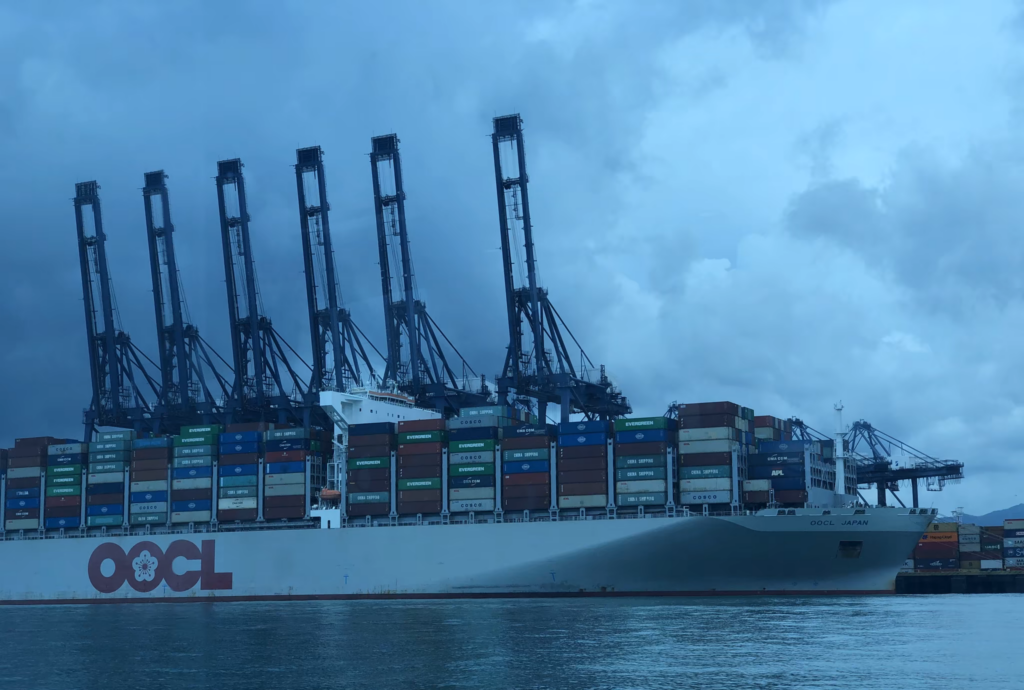
Sea freight is usually the first option considered for large or relatively heavy shipments because the transportation cost per unit can be much lower than air freight.
A major European gateway for China-Europe ocean freight is Rotterdam.
Common China-origin ports include:
- Shanghai
- Ningbo
- Shenzhen
- Guangzhou
- Qingdao
- Xiamen
The appropriate origin depends on where the supplier is located and the available sailing schedule.
For a broader comparison of China-Europe ocean freight, see:
Streamlining China-to-Europe Ocean Freight in 2026: Tips for Importers
FCL Shipping
FCL means Full Container Load.
The importer uses a complete container rather than sharing container space with other shipments.
FCL can be suitable for:
- Large cargo volumes
- Heavy machinery
- Furniture
- Industrial equipment
- Large quantities of consumer goods
- Regular commercial shipments
The main advantages are fewer cargo-handling stages and better control over the container.
LCL Shipping
LCL means Less than Container Load.
Instead of booking an entire container, the cargo shares container space with other shipments.
LCL can be useful when the shipment volume is too small to justify an entire container.
However, LCL usually involves additional consolidation and deconsolidation handling.
The actual cost comparison between FCL and LCL depends on volume, origin, destination, season, handling charges, and other fees.
A useful comparison guide is:
Sea Freight from China to Europe – FCL vs LCL Cost Comparison
Air Freight from China to the Netherlands
Air freight is generally selected when delivery speed is more important than minimizing transportation cost.
It can be suitable for:
- Samples
- High-value products
- Urgent replacement parts
- Electronics
- Small commercial shipments
- Time-sensitive inventory
Air freight pricing is usually affected by both actual weight and volumetric weight.
For example, a lightweight shipment occupying significant aircraft space may be charged according to its dimensional weight rather than its actual scale weight.
Before booking air freight, the importer should provide:
- Number of cartons
- Carton dimensions
- Gross weight
- Product description
- Pickup location
- Delivery address
This allows the forwarder to calculate the appropriate chargeable weight.
Rail Freight from China to the Netherlands
Rail freight can provide another option between sea and air in terms of transportation speed and cost.
It may be considered for cargo where sea freight is too slow but air freight is too expensive.
Rail availability, routing, border procedures, schedules, and final delivery arrangements should be checked before selecting this method.
For general China-Europe rail freight information:
China to Europe Rail Freight Guide: Cost and Transit Time
Rail is not automatically the best choice for every shipment. The final decision should be based on cargo type, delivery deadline, route availability, and total landed cost.
China to Netherlands DDP Freight Forwarding
DDP stands for Delivered Duty Paid.
For some importers, DDP can simplify the logistics process because the freight provider coordinates multiple stages from China to the final delivery address.
Depending on the quotation and commercial arrangement, a DDP shipment may include:
- Pickup in China
- Export handling
- International transportation
- Import customs clearance
- Duties
- Import taxes
- Destination handling
- Final delivery
However, importers should never assume that every DDP quote includes every possible charge.
Before accepting a DDP quotation, confirm:
- Is pickup included?
- Is export customs clearance included?
- Is import customs clearance included?
- Are duties included?
- Is VAT included?
- Are destination handling charges included?
- Is residential or remote-area delivery included?
- Are inspection charges included?
- Are storage charges included if customs clearance is delayed?
For a detailed explanation of DDP:
How Much Does It Cost to Ship from China to Europe in 2026?
A DDP quotation should be compared according to the total landed cost rather than simply the advertised price per kilogram or per CBM.
What Information Does a Freight Forwarder Need?
A professional quotation requires more information than simply saying, “I need to ship goods from China to the Netherlands.”
Provide as much of the following information as possible:
Cargo Information
- Product name
- Product description
- HS code if available
- Number of cartons
- Carton dimensions
- Gross weight
- Total CBM
- Product value
- Packaging type
Pickup Information
- Supplier name
- Factory address
- City
- Postal code
- Contact person
- Ready date
Netherlands Delivery Information
- Destination city
- Delivery address
- Postal code
- Commercial or residential address
- Warehouse or business delivery requirements
Shipping Requirements
- Sea, air, rail, or DDP
- Required delivery date
- FCL or LCL
- Whether cargo consolidation is required
- Whether customs clearance is required
The more complete the information, the more useful the freight quotation will be.
How Much Does China to Netherlands Freight Forwarding Cost?
There is no universal China-to-Netherlands freight forwarding rate.
The total cost can contain several components.
Origin Charges
Potential origin charges include:
- Local pickup
- Warehouse receiving
- Loading
- Documentation
- Export customs clearance
- Consolidation
- Palletizing
International Freight
The international transportation cost depends on:
- Shipping method
- Weight
- Volume
- Container type
- Origin port
- Destination port
- Carrier
- Route
- Fuel costs
- Seasonal demand
Destination Charges
Depending on the service, destination charges may include:
- Terminal handling
- Customs clearance
- Port fees
- Documentation
- Delivery
- Storage
- Inspection
Duties and Taxes
For Dutch imports, applicable customs duties and taxes depend on the product, classification, customs value, origin, and applicable regulations.
Therefore, a freight forwarder should not provide a misleading “one price fits everything” quotation.
The importer should request a complete cost breakdown.
How to Compare Freight Forwarding Quotes
When you receive several quotations, do not compare only the headline freight rate.
For example:
Forwarder A
Ocean freight: $X
Destination charges: excluded
Customs: excluded
Final delivery: excluded
Forwarder B
Ocean freight: $Y
Destination charges: included
Customs: included
Final delivery: included
The second quotation may have a higher initial price but a lower final landed cost.
A good quotation should clearly identify what is included and what is excluded.
For more information about China-Europe shipping costs:
How Much Does It Cost to Ship from China to Europe in 2026?
China Supplier Pickup and Warehouse Consolidation
Many Dutch importers purchase products from multiple Chinese factories.
For example, one buyer may purchase:
- Furniture from Foshan
- Electronics from Shenzhen
- Packaging from Dongguan
- Machinery components from Ningbo
Sending every shipment separately may increase logistics costs and create unnecessary administrative work.
A freight forwarder can potentially arrange:
- Supplier pickup
- Warehouse receiving
- Cargo measurement
- Inspection
- Labeling
- Consolidation
- Export customs clearance
- International shipping
- Netherlands import procedures
- Final delivery
This model is particularly useful for importers who regularly source from several suppliers.
Customs Clearance for Netherlands Imports
Customs information must be accurate and consistent with the actual cargo.
Important documents may include:
- Commercial invoice
- Packing list
- Bill of lading or air waybill
- Certificate of origin when applicable
- Import-related documentation
- Product-specific certificates or permits when required
The exact documentation depends on the product and applicable regulations.
Importers should pay particular attention to product classification.
An incorrect HS code can affect:
- Customs duty
- Tax calculation
- Import requirements
- Customs inspection
- Clearance time
A freight forwarder can help coordinate the logistics process, but the importer remains responsible for providing accurate commercial and product information.
Shipping Time from China to the Netherlands
Transit time varies depending on the shipping method and route.
As a general planning concept:
| Shipping Method | Typical Speed | Best For |
|---|---|---|
| Sea FCL | Slowest | Large shipments |
| Sea LCL | Slow | Smaller commercial shipments |
| Rail | Medium | Time-sensitive cargo |
| Air Freight | Fast | Urgent shipments |
| Express | Very Fast | Samples and small parcels |
Actual transit time can change because of:
- Port congestion
- Vessel schedules
- Weather
- Customs inspections
- Warehouse handling
- Cargo consolidation
- Public holidays
- Peak-season demand
- Final-mile delivery
For this reason, a freight forwarder should distinguish between port-to-port transit time and door-to-door delivery time.
How to Reduce China to Netherlands Shipping Costs
Reducing freight cost does not always mean finding the lowest freight rate.
A better approach is to reduce the total landed cost.
Consolidate Multiple Suppliers
Combining shipments can reduce duplicated transportation and handling costs.
Optimize Packaging
Oversized cartons can increase volumetric charges and occupy unnecessary container space.
Choose the Right Incoterm
Compare EXW, FOB, CIF, DAP, and DDP according to your business model.
Select FCL or LCL Carefully
The correct choice depends on shipment volume and total charges.
Plan Before the Cargo Is Ready
Last-minute bookings may reduce your available options and increase costs during busy periods.
Compare Complete Quotations
Always check whether local charges, customs clearance, taxes, and final delivery are included.
Common Problems When Importing from China to the Netherlands
Problem 1: The Quotation Looks Cheap but the Final Cost Is High
This often happens when destination charges are excluded.
Solution: Request a complete cost breakdown.
Problem 2: Customs Clearance Takes Longer Than Expected
Incomplete or inconsistent documentation can cause delays.
Solution: Prepare commercial documents before shipment departure.
Problem 3: Cargo Dimensions Are Incorrect
Incorrect dimensions can result in unexpected freight adjustments.
Solution: Measure and confirm the cargo before booking.
Problem 4: LCL Cargo Is Damaged
LCL shipments may undergo several handling stages.
Solution: Use suitable export packaging, labeling, palletization, and reinforcement when necessary.
Problem 5: DDP Responsibilities Are Unclear
Some importers assume DDP automatically covers every destination expense.
Solution: Ask for written confirmation of all included and excluded charges.
How to Choose a China to Netherlands Freight Forwarder
Before selecting a logistics provider, ask practical questions.
Ask About Shipping Methods
Can the forwarder provide:
- FCL?
- LCL?
- Air freight?
- Rail freight?
- DDP?
- Door-to-door delivery?
Ask About Consolidation
If you purchase from multiple factories, confirm whether the forwarder can receive and consolidate cargo.
Ask About Customs
Clarify who handles export customs and Netherlands import procedures.
Ask About Delivery
Confirm whether the quoted service ends at Rotterdam or continues to your final warehouse or business address.
Ask About Charges
Request a breakdown of:
- Origin charges
- Freight
- Destination charges
- Customs
- Duties
- Taxes
- Final delivery
Ask About Cargo Restrictions
If your products contain batteries, chemicals, liquids, magnets, aerosols, or other potentially restricted materials, disclose this before booking.
For regulated cargo, specialized procedures may apply. For example, dangerous goods require additional compliance and carrier acceptance.
A Practical China to Netherlands Freight Forwarding Process
A typical shipment may follow this sequence:
Step 1 — Request a Quote
Send cargo dimensions, weight, product information, origin, and Netherlands destination.
Step 2 — Compare Shipping Methods
Evaluate FCL, LCL, air, rail, and DDP according to cost and delivery requirements.
Step 3 — Confirm the Supplier
Provide the supplier’s pickup address and contact information.
Step 4 — Arrange Pickup or Warehouse Delivery
Cargo is collected or delivered to the forwarder’s warehouse.
Step 5 — Inspect and Measure Cargo
The warehouse checks quantity, packaging, dimensions, and weight when this service is requested.
Step 6 — Consolidate Cargo
Multiple supplier shipments can be combined when appropriate.
Step 7 — Complete Export Clearance
The required export documentation is prepared and submitted.
Step 8 — International Transportation
Cargo moves by sea, air, rail, or another agreed method.
Step 9 — Netherlands Customs
The shipment undergoes import procedures according to the agreed customs arrangement.
Step 10 — Final Delivery
Cargo is delivered to the agreed warehouse, business, or other destination.
China to Netherlands Freight Forwarding Checklist
Before booking, prepare:
- [ ] Product description
- [ ] HS code if available
- [ ] Number of cartons
- [ ] Dimensions
- [ ] Gross weight
- [ ] Total CBM
- [ ] Cargo value
- [ ] Supplier address
- [ ] Netherlands delivery address
- [ ] Required delivery date
- [ ] Preferred shipping method
- [ ] Incoterm
- [ ] Customs requirements
- [ ] Special cargo information
Providing this information upfront can make quotation and booking much more efficient.
Frequently Asked Questions
What is the best shipping method from China to the Netherlands?
There is no universal best method. Sea freight is generally suitable for larger shipments, LCL for smaller commercial cargo, air freight for urgent shipments, and DDP when the importer wants a more coordinated door-to-door solution.
Is sea freight cheaper than air freight?
For many large and heavy shipments, sea freight is substantially more economical than air freight. The exact comparison depends on cargo volume, weight, route, and required delivery time.
Is LCL suitable for small shipments?
Yes. LCL allows smaller shipments to share container space rather than requiring a full container. However, consolidation and deconsolidation can add handling time.
Can a freight forwarder pick up goods from multiple Chinese factories?
Yes, depending on the forwarder’s warehouse and consolidation capabilities. Multiple supplier shipments can potentially be collected and consolidated before export.
Does DDP include customs and taxes?
DDP generally indicates that the seller is responsible for delivery with duties paid under the agreed Incoterms arrangement, but the actual logistics quotation should still be checked carefully. Confirm exactly which duties, taxes, customs fees, and destination charges are included.
How do I get an accurate China to Netherlands freight quote?
Provide the product type, dimensions, weight, CBM, supplier location, Netherlands delivery address, cargo value, and preferred shipping method. The more complete the information, the more accurate the quotation can be.
Get a China to Netherlands Freight Forwarding Quote
If you are importing goods from China to the Netherlands, the best shipping solution depends on your cargo rather than a generic rate.
Send the following information to a freight forwarder:
Product:
Quantity:
Cartons:
Dimensions:
Gross Weight:
Total CBM:
Supplier City:
Netherlands Destination:
Shipping Method: Sea / Air / Rail / DDP
Required Delivery Date:
With these details, the forwarder can evaluate the available transportation options and provide a more meaningful quotation.
For importers, the goal should not simply be to find the cheapest freight rate. The better objective is to achieve a reliable combination of transportation cost, customs handling, transit time, cargo safety, and final delivery.
A well-planned China to Netherlands freight forwarding solution can make regular importing significantly easier and more predictable.


