China Freight Forwarding 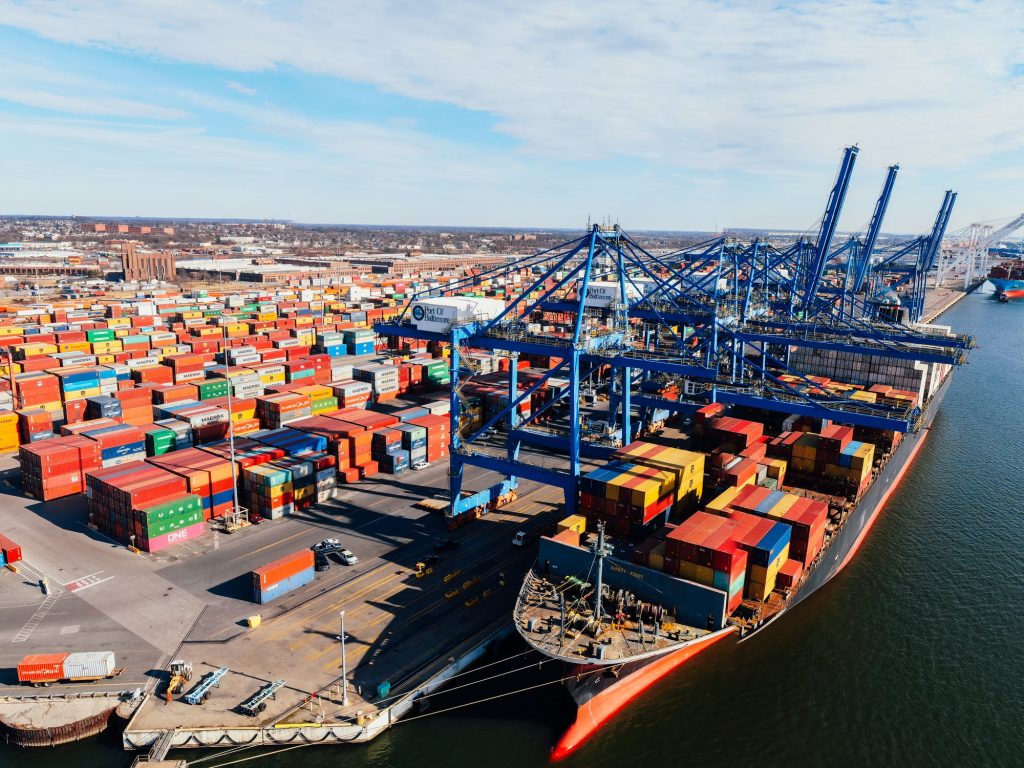
China Freight Forwarding
Introduction
Trade between China and the Middle East has been growing rapidly in recent years, driven by demand for construction materials, electronics, machinery, consumer goods, and e-commerce products. Choosing the best freight forwarder from China to the Middle East is essential for ensuring safe, efficient, and cost-effective cargo transportation.
A professional freight forwarder helps businesses manage complex logistics routes, customs regulations, and delivery requirements across countries like the UAE, Saudi Arabia, Qatar, Kuwait, Oman, and Bahrain.
Why China to Middle East Shipping Is Important
The Middle East is a major import region for Chinese products. Countries in this region rely heavily on international trade for infrastructure development and consumer markets.
Key reasons for high demand:
- Rapid construction and infrastructure projects
- Strong e-commerce growth
- High demand for electronics and machinery
- Strategic location for global trade routes
Because of this, reliable logistics services are critical for smooth supply chain operations.
What Does a Freight Forwarder Do?
A freight forwarder manages the entire shipping process between China and the Middle East, acting as a logistics coordinator.
Typical services include:
- Cargo pickup from supplier in China
- Export customs declaration
- Booking air or sea freight
- Cargo consolidation and storage
- Import customs clearance in destination country
- Final delivery to warehouse or customer address
This simplifies international shipping for importers.
Shipping Methods from China to the Middle East
A professional freight forwarder offers multiple transport options based on cost and urgency.
1. Sea Freight
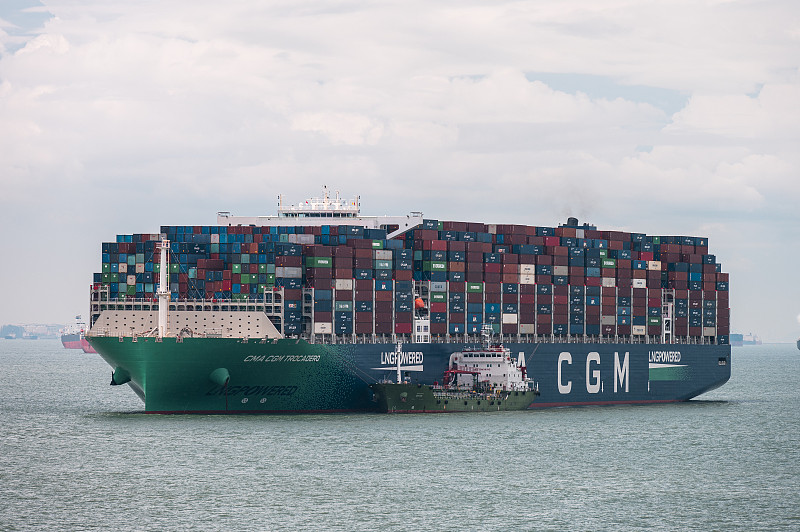
Sea freight is the most commonly used method for large shipments.
- Cost-effective for bulk cargo
- Suitable for heavy and oversized goods
- Transit time: 15–35 days depending on destination port
- Options: FCL (Full Container Load) and LCL (Less than Container Load)
Sea freight is widely used for construction materials, furniture, and machinery.
2. Air Freight
Air freight is ideal for urgent shipments.
- Fast delivery: 3–7 days
- Higher cost compared to sea freight
- Suitable for electronics, medical equipment, and high-value goods
Air freight is commonly used for time-sensitive business operations.
3. Door to Door Shipping
Door to door shipping provides a complete logistics solution.
- Includes customs clearance
- Final delivery to warehouse or business address
- Simplifies logistics process for importers
- Suitable for both small and large shipments
This is especially popular for e-commerce and small businesses.
Key Middle East Destinations
China exports goods to several major Middle Eastern markets:
- United Arab Emirates (Dubai, Abu Dhabi)
- Saudi Arabia (Riyadh, Jeddah)
- Qatar (Doha)
- Kuwait
- Oman
- Bahrain
Each country has different customs regulations and import procedures, so experienced freight forwarding support is important.
Benefits of Using a Professional Freight Forwarder
Choosing the best freight forwarder from China to the Middle East provides many advantages:
1. Cost Optimization
Better freight rates through carrier networks and consolidation services.
2. Time Efficiency
Faster coordination and reduced shipping delays.
3. Customs Expertise
Smooth clearance in both China and Middle Eastern countries.
4. End-to-End Service
From factory pickup to final delivery.
5. Reduced Risk
Lower chance of damage, delay, or documentation errors.
Who Needs Freight Forwarding Services?
This service is widely used by:
1. Importers and Wholesalers
Large-scale businesses importing bulk goods.
2. Construction Companies
Importing machinery, tools, and building materials.
3. E-commerce Sellers
Online sellers operating in Middle Eastern markets.
4. Manufacturers
Factories sourcing raw materials or exporting finished goods.
Common Shipping Challenges
Importers may face several challenges when shipping from China to the Middle East:
- Customs delays due to documentation issues
- High seasonal freight costs
- Port congestion
- Incorrect HS code classification
- Lack of shipment tracking visibility
A reliable freight forwarder helps solve these problems efficiently.
How to Choose the Best Freight Forwarder
When selecting a logistics partner, consider the following:
1. Experience in China–Middle East Route
Ensure strong knowledge of regional trade regulations.
2. Service Coverage
Air, sea, and door to door shipping options available.
3. Transparent Pricing
No hidden fees or unclear charges.
4. Reliable Communication
Fast updates and shipment tracking support.
5. E-commerce Capability
Important for Amazon and online business logistics.
Future of China–Middle East Logistics
Trade between China and the Middle East is expected to continue growing. Logistics services are becoming more digital and efficient.
Future trends include:
- Smart logistics tracking systems
- Faster customs clearance processes
- AI-based route optimization
- Expansion of e-commerce logistics networks
Frequently Asked Questions (FAQ)
1. How long does shipping from China to the Middle East take?
- Sea freight: 15–35 days
- Air freight: 3–7 days
2. What is the cheapest shipping method?
Sea freight is usually the most economical option.
3. Can freight forwarders handle customs clearance?
Yes, most professional companies provide full customs services.
4. Is door to door shipping available?
Yes, it is widely available across Middle Eastern countries.
5. What goods are commonly shipped?
Electronics, machinery, furniture, construction materials, and consumer goods.
Conclusion
The best freight forwarder from China to the Middle East plays a crucial role in ensuring safe, fast, and efficient international shipping. With services like sea freight, air freight, and door to door delivery, businesses can streamline logistics and reduce operational complexity.
Choosing an experienced logistics partner helps importers save time, reduce costs, and expand successfully into Middle Eastern markets.


