China Freight Forwarding 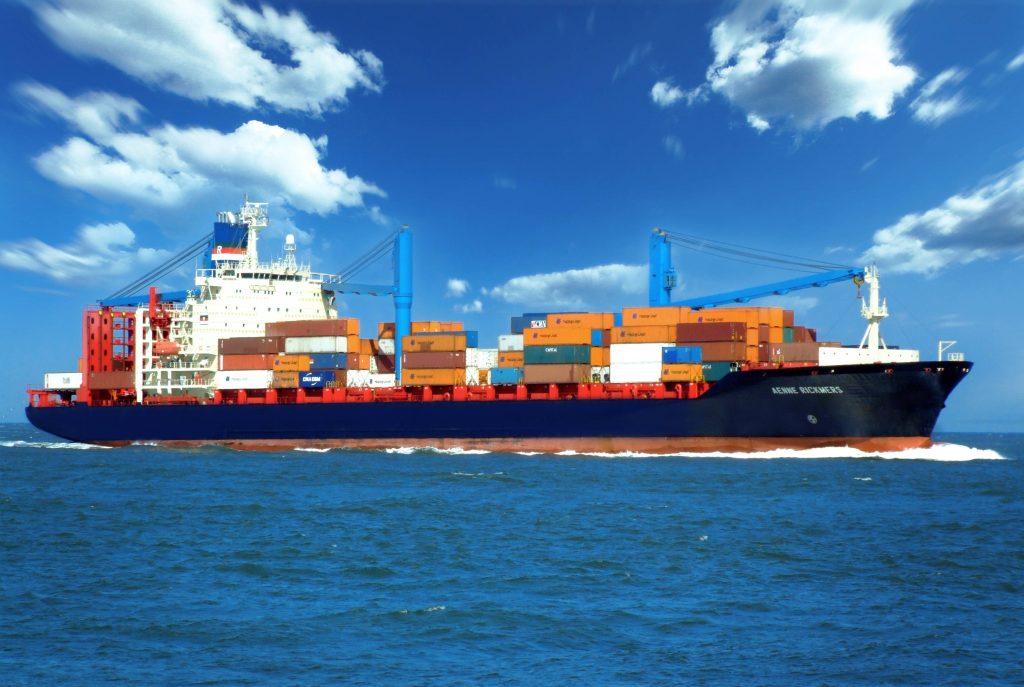
China Freight Forwarding 
China Freight Forwarding
绪论
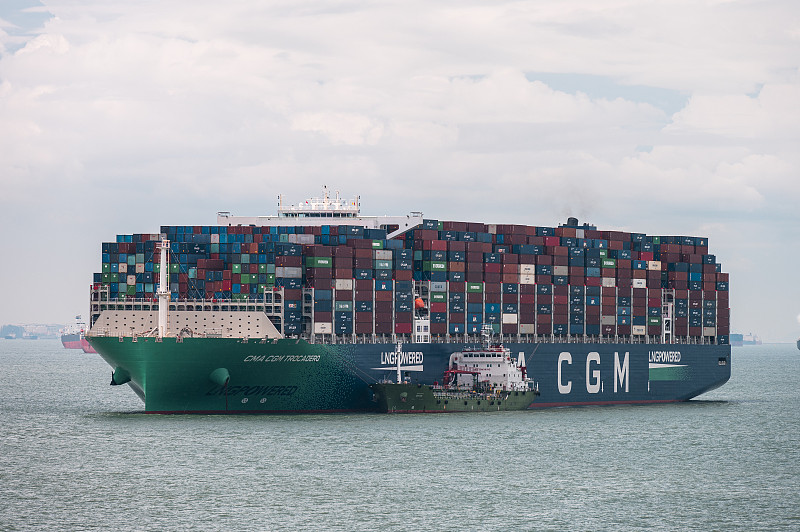
China is the world’s largest export hub, and sea freight is the most widely used method for global shipping. For small and medium-sized shipments, sea freight consolidation (LCL shipping) offers a cost-effective way to move goods internationally without booking a full container.
In this guide, we will explain how China sea freight consolidation services work for global importers in 2026, including the process, benefits, costs, and key considerations.
What Is China Sea Freight Consolidation?
Sea freight consolidation is a logistics method where:
👉 Multiple shipments from different importers are combined into one container.
A China freight forwarder manages the entire process, including pickup, storage, consolidation, and international shipping.
This is also known as LCL (Less Than Container Load) shipping.
How Sea Freight Consolidation Works Step by Step
Step 1: Cargo Pickup from Suppliers
The process begins with collecting goods from different factories across China.
Major export cities include:
- Shenzhen
- Guangzhou
- Yiwu
- Ningbo
- Shanghai
Step 2: Warehouse Receiving
All shipments are sent to a consolidation warehouse.
At this stage:
- Cargo is received and checked
- Volume (CBM) is measured
- Items are labeled and registered
Step 3: Cargo Consolidation
This is the core of the service.
Freight forwarders:
- Combine multiple shipments
- Optimize container space
- Organize goods by destination
👉 This reduces shipping cost per importer.
Step 4: Export Customs Clearance
Before leaving China, all goods must be cleared by customs.
Required documents:
- Commercial invoice
- Packing list
- Export declaration form
Step 5: Container Loading
After clearance:
- All consolidated shipments are loaded into a shared container
- Cargo is secured for long-distance transport
Step 6: Ocean Freight Shipping
The container is shipped globally.
Main routes:
- China → USA
- China → Europe
- China → Canada
- China → Middle East
- China → Australia
Step 7: Import Customs Clearance
Upon arrival:
- Goods are inspected
- Import duties and taxes are calculated
- Customs clearance is completed
Step 8: Final Delivery
After clearance:
- Shipments are separated
- Delivered to final destination or warehouse
China Sea Freight Consolidation Cost
💰 Average cost:
- $80 – $200 per CBM
Additional possible fees:
- Origin handling charges
- Destination handling fees
- Customs clearance fees
- Local delivery charges
Transit Time for LCL Shipping
- China → USA: 25–40 days
- China → Europe: 25–45 days
- China → Middle East: 15–30 days
- China → Africa: 20–40 days
👉 Transit time depends on route and port conditions.
Advantages of Sea Freight Consolidation
1. Lower Shipping Cost
You only pay for used container space.
2. Flexible Shipment Size
No need for full container load.
3. Global Coverage
Works for most international markets.
4. Ideal for Small Businesses
Perfect for startups and e-commerce sellers.
5. Professional Logistics Management
Handled by experienced freight forwarders.
Disadvantages of Consolidation Shipping
1. Longer Transit Time
Due to consolidation and sorting process.
2. Higher Handling Risk
More loading and unloading increases risk.
3. Extra Destination Charges
Some ports charge additional handling fees.
LCL vs FCL Shipping Comparison
| Feature | LCL Shipping | FCL Shipping |
|---|---|---|
| Container | Shared | Full container |
| Cost | Lower for small cargo | Lower for bulk cargo |
| Speed | Slower | Faster |
| Handling | More handling | Less handling |
| Best For | Small shipments | Large shipments |
Who Should Use Consolidation Services?
China LCL shipping is ideal for:
- Small importers
- E-commerce sellers
- Amazon FBA businesses
- Startup companies
- Trial product shipments
How to Reduce Consolidation Shipping Costs
1. Optimize Packaging
Reduce unnecessary volume (CBM).
2. Combine Multiple Orders
Ship goods together instead of separately.
3. Choose Reliable Freight Forwarders
Avoid hidden fees and delays.
4. Avoid Peak Season Shipping
Plan ahead to avoid price increases.
Common Mistakes Importers Make
- Ignoring CBM calculations
- Choosing cheapest forwarder without checking service quality
- Not understanding destination fees
- Poor packaging protection
- No shipment tracking updates
Future of Sea Freight Consolidation in China
China logistics is rapidly evolving with:
- Digital tracking systems
- AI-based logistics planning
- Automated warehouse operations
- Faster customs clearance systems
👉 This improves efficiency and transparency for global importers.
Conclusion
China sea freight consolidation services are one of the most efficient and cost-effective solutions for global importers who do not require a full container. By sharing space with other shipments, businesses can significantly reduce logistics costs while maintaining reliable international delivery.
For small and medium cargo, consolidation shipping remains a key pillar of global trade logistics in 2026.
Tags
China sea freight consolidation, LCL shipping China, freight forwarder China, consolidated shipping China, import from China guide, ocean freight LCL China, CBM shipping China, logistics China consolidation, international shipping China, less than container load China


