
In international trade, understanding freight forwarding costs is essential for businesses to manage shipping budgets and plan supply chains effectively. Freight forwarding costs encompass all expenses incurred in transporting goods from the supplier to the buyer, including transportation fees, customs charges, insurance, and other related services.
Calculating these costs accurately can be complex, as they depend on multiple factors such as shipping mode, cargo type, destination, and additional services. This article provides a comprehensive guide on how freight forwarding costs are calculated, factors affecting them, and best practices for cost optimization.
What Are Freight Forwarding Costs?
Freight forwarding costs refer to the total expenses associated with shipping goods internationally using a freight forwarder. These costs cover the entire logistics process, from pickup at the supplier’s location to delivery at the buyer’s address.
Key components of freight forwarding costs include:
- Transportation fees (sea, air, or land)
- Fuel surcharges and carrier fees
- Customs clearance and duties
- Cargo insurance
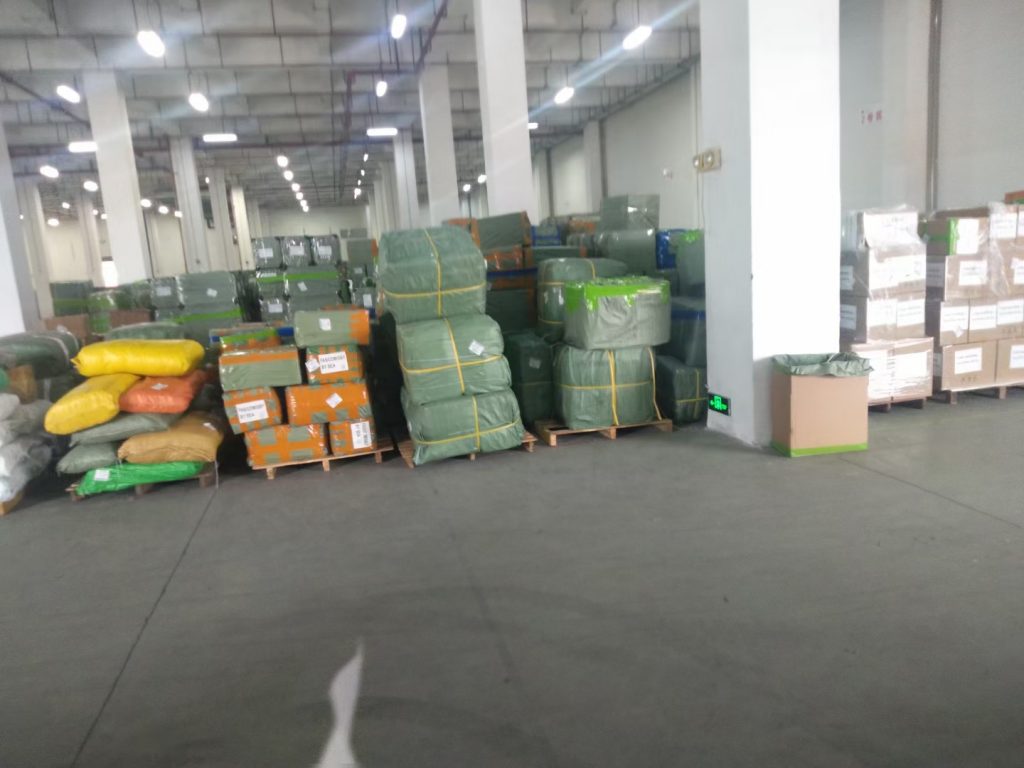
- Packaging and handling charges
- Warehousing or storage fees
- Value-added services (tracking, documentation, supply chain consulting)
By understanding these components, businesses can better estimate the total cost of shipping and make informed decisions.
Components of Freight Forwarding Costs
1. Transportation Fees
Transportation is usually the largest portion of freight forwarding costs and depends on the mode of transport:
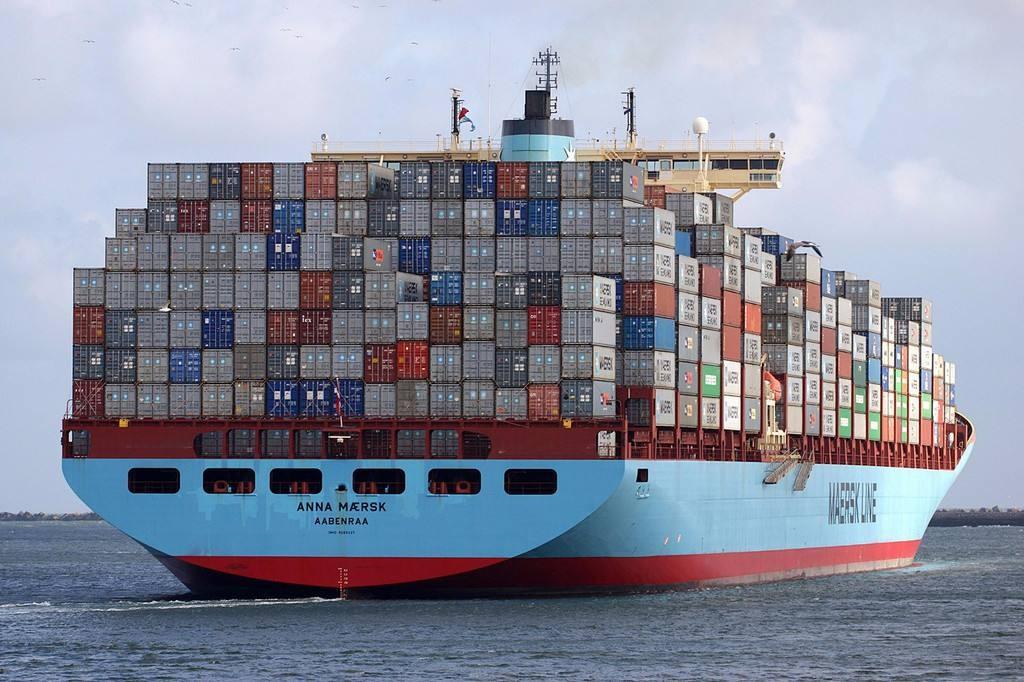
Sea Freight:
- Costs are based on container type and size (20-foot, 40-foot, etc.)
- Less than Container Load (LCL) is priced by volume (cubic meters)
- Full Container Load (FCL) has a fixed container rate
Air Freight:
- Calculated based on chargeable weight, which is the greater of actual weight and volumetric weight
- Volumetric weight is calculated as:
\text{Volumetric Weight (kg)} = \frac{\text{Length(cm) × Width(cm) × Height(cm)}}{6000}
Land Freight:
- Pricing may depend on distance, weight, volume, and type of cargo
- Multimodal shipping combines sea or air with trucking, affecting total cost
2. Fuel Surcharges and Carrier Fees
- Airlines and shipping lines apply fuel surcharges that fluctuate with global fuel prices
- Additional carrier fees may include terminal handling charges, security fees, and peak season surcharges
3. Customs Clearance and Duties
- Freight forwarders prepare documentation for customs, which may include invoices, packing lists, bills of lading, and certificates
- Duties and taxes depend on product type, value, and destination country regulations
- Some forwarders charge a customs brokerage fee for managing clearance
4. Cargo Insurance
- Protects goods against loss, damage, or theft during transit
- Insurance costs typically range from 0.3% to 1% of the cargo value, depending on risk factors and shipping method
5. Packaging and Handling Fees
- Proper packaging ensures safe delivery and compliance with carrier requirements
- Charges may include palletization, shrink-wrapping, and labeling fees
6. Warehousing and Storage Fees
- If cargo is stored temporarily at ports or warehouses, storage fees may apply
- Fees depend on duration, cargo type, and volume
7. Value-Added Services
- Freight forwarders may offer additional services, such as real-time tracking, supply chain consulting, or temperature-controlled shipping
- Costs vary depending on the service level and complexity
Factors Affecting Freight Forwarding Costs
1. Shipping Mode
- Sea freight is cost-effective for large shipments but slower
- Air freight is faster but more expensive, especially for heavy or bulky goods
- Land and multimodal options may be optimal for regional deliveries
2. Cargo Weight and Volume
- Heavier and larger shipments cost more to transport
- For air freight, volumetric weight often exceeds actual weight, increasing charges
3. Destination
- Shipping to remote locations may incur higher costs
- Customs duties, taxes, and local handling fees differ by country
4. Type of Cargo
- Hazardous, fragile, or temperature-sensitive goods require special handling, affecting cost
- Oversized or irregular-shaped cargo may require custom transport solutions
5. Seasonality
- Peak shipping seasons (e.g., holidays) can increase carrier rates and surcharges
- Early booking or flexible scheduling can reduce costs
6. Service Level
- Express or priority delivery services are more expensive than standard shipping
- Door-to-door delivery and additional value-added services also add to the total cost
How to Calculate Freight Forwarding Costs
To estimate freight forwarding costs:
- Determine the mode of transport (sea, air, land, multimodal)
- Measure the weight and volume of your cargo
- Obtain carrier rates for your chosen route
- Add surcharges (fuel, terminal handling, security, peak season)
- Include customs duties and taxes for the destination country
- Add insurance, packaging, and warehousing fees if applicable
- Include any value-added services required
Example Calculation (Air Freight):
- Cargo weight: 100 kg
- Dimensions: 120 × 80 × 60 cm
- Volumetric weight:
- Chargeable weight: 100 kg (higher of actual vs volumetric)
- Air freight rate: $5/kg → $500
- Fuel surcharge: $50
- Customs clearance fee: $30
- Insurance: $10 (0.5% of cargo value)
- Total estimated cost: $590
Tips for Reducing Freight Forwarding Costs
- Consolidate Shipments – Combine smaller shipments to reduce per-unit cost
- Plan Ahead – Early booking avoids peak season surcharges
- Compare Quotes – Request rates from multiple freight forwarders
- Optimize Packaging – Reduce volumetric weight by using space-efficient packaging
- Negotiate Long-Term Contracts – Frequent shippers may get better rates
Frequently Asked Questions (FAQ)
Q1: Are freight forwarding costs fixed or variable?
Costs vary based on shipping mode, cargo weight and volume, destination, service level, and additional fees.
Q2: How is air freight charged?
Air freight is charged based on chargeable weight, which is the greater of actual weight and volumetric weight.
Q3: Does insurance cost a lot?
Insurance is usually a small percentage (0.3–1%) of the cargo value, but it protects against significant losses.
Q4: Can freight forwarding costs be negotiated?
Yes. Forwarders may offer discounts for large volumes, long-term partnerships, or off-peak shipping.
Q5: What is included in customs clearance fees?
Customs clearance fees cover document preparation, duties and taxes calculation, submission to authorities, and sometimes inspections.
Conclusion
Understanding how freight forwarding costs are calculated is crucial for businesses engaged in international trade. Costs are influenced by transportation mode, cargo weight and volume, destination, type of goods, and additional services such as insurance, packaging, and customs clearance.
By carefully analyzing these components, comparing quotes from multiple forwarders, and optimizing logistics planning, businesses can control shipping expenses while ensuring timely and safe delivery of goods.
Partnering with a professional freight forwarder who offers transparency, expertise, and comprehensive services is the key to managing costs effectively and maintaining a competitive edge in global trade.
Contact us today for a detailed cost estimation and quotation to plan your international shipments with confidence.
Suggested SEO & Marketing Tags
Freight Forwarding Costs, How to Calculate Freight Fees, International Shipping Rates, Air Freight Cost, Sea Freight Cost, Customs Clearance Fees, Cargo Insurance, Door-to-Door Shipping, Freight Quote, Supply Chain Management, Global Logistics, Cost-Effective Shipping, Shipping Cost Calculator, Freight Forwarding Tips, International Trade Logistics


