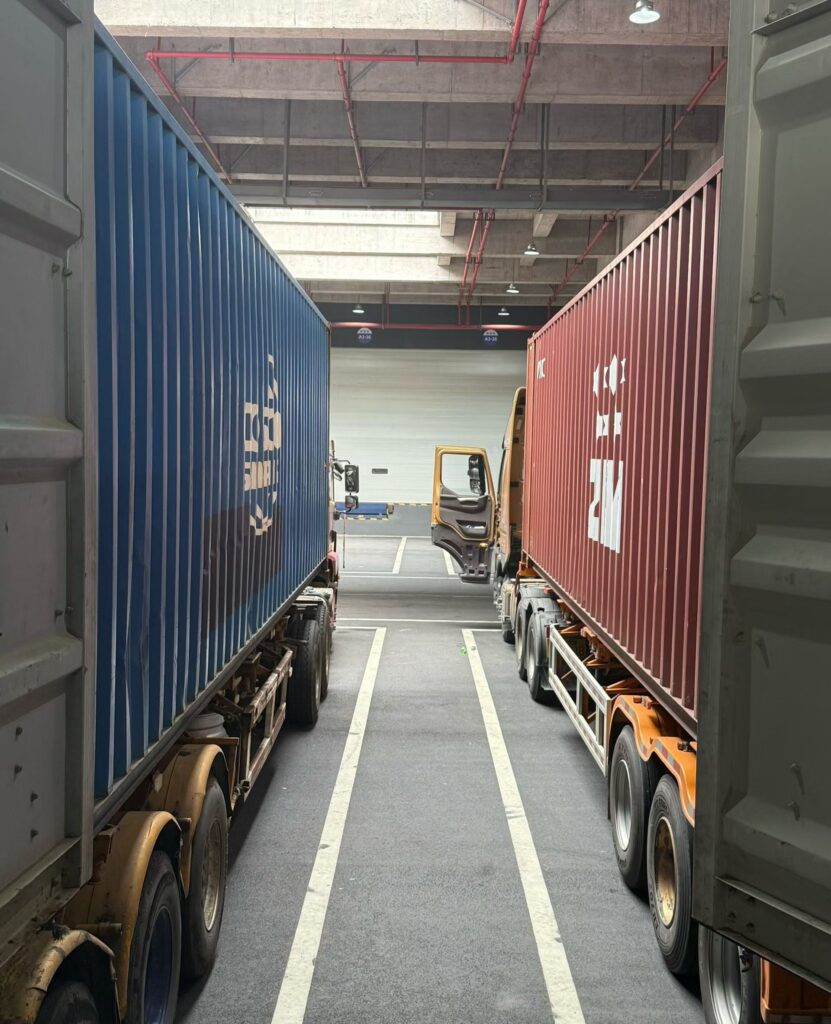
Sea freight is an important option for businesses importing commercial goods from China to Bosnia and Herzegovina. For large, heavy, or non-urgent shipments, ocean transportation can provide a practical balance between transportation capacity and cost.
A professional freight forwarder can coordinate the shipment from the Chinese supplier through export procedures, ocean transportation, European transit arrangements, customs clearance, and inland delivery to Bosnia and Herzegovina.
Sea Freight from China to Bosnia and Herzegovina
Bosnia and Herzegovina is a landlocked country, so sea freight shipments normally require a combination of ocean transportation and inland transportation through an appropriate European port and logistics route.
A typical process may be:
Chinese Supplier → China Port → Ocean Freight → European Port → Inland Transportation → Bosnia and Herzegovina → Final Delivery
The exact route depends on the Chinese origin, destination, carrier schedule, cargo type, and current logistics conditions.
FCL vs. LCL Shipping
Choosing between FCL and LCL is one of the most important decisions when arranging sea freight.
FCL — Full Container Load
FCL means the importer uses a dedicated shipping container.
It can be suitable for:
- Large commercial orders
- Heavy cargo
- Machinery
- Furniture
- Industrial equipment
- Multiple pallets
- Full-container shipments
FCL can provide better control over the cargo because the container is dedicated to one shipment.
LCL — Less than Container Load
LCL is designed for cargo that does not require a full container.
The shipment shares container space with cargo belonging to other importers.
LCL can be suitable for:
- Small commercial orders
- Samples in larger quantities
- Spare parts
- Small machinery
- Mixed products
- Smaller pallet shipments
The choice between FCL and LCL should be based on total volume, weight, cargo characteristics, and the complete logistics cost.
How Much Does Sea Freight Cost?
There is no fixed China-to-Bosnia sea freight price.
The total cost can depend on:
- Container type
- FCL or LCL
- Cargo volume
- Cargo weight
- Chinese pickup location
- Export port
- European transit port
- Inland transportation
- Customs clearance
- Destination
- Cargo type
- Delivery address
- Current carrier rates
- Port and handling charges
For LCL shipments, both cargo volume and minimum chargeable quantities can affect the final price.
For FCL shipments, the container type and current container freight rate are important factors.
Sea Freight Shipping Process
1. Supplier Pickup
The freight forwarder collects the cargo from the Chinese supplier or arranges delivery to a designated warehouse.
The supplier should provide accurate information about the cargo-ready date, packaging, weight, dimensions, and pickup address.
2. Warehouse Receiving
The cargo can be received at a logistics warehouse for checking, measuring, labeling, and consolidation when required.
If you have multiple Chinese suppliers, their cargo can potentially be consolidated before export.
3. Export Customs Clearance
Before departure, the shipment needs to complete the applicable export customs procedures.
Typical documentation may include:
- Commercial invoice
- Packing list
- Product description
- HS code
- Export-related documents
- Other product-specific documents when required
4. Container Loading
For FCL shipments, cargo is loaded into the designated container.
For LCL shipments, cargo is consolidated with other shipments at a suitable facility.
Proper packing is particularly important for international sea transportation because cargo may experience handling, vibration, humidity, and multiple transfers.
5. Ocean Transportation
The container is transported by sea from China toward the selected European transit port.
Transit times depend on the specific route, carrier, sailing schedule, port conditions, transshipment requirements, and other operational factors.
6. Inland Transportation to Bosnia and Herzegovina
After the ocean leg, the cargo needs to continue by inland transportation because Bosnia and Herzegovina does not have a coastline.
Depending on the logistics solution, this may involve road transportation or other multimodal arrangements.
7. Customs Clearance and Final Delivery
The shipment then proceeds through the required destination customs procedures before being delivered to the final address.
Why Use a Freight Forwarder?
International sea freight involves multiple parties, including:
- Suppliers
- Trucking companies
- Warehouses
- Export customs
- Ocean carriers
- European transit facilities
- Customs representatives
- Inland transport providers
- Final-mile delivery companies
A freight forwarder can coordinate these different stages and provide one logistics contact for the importer.
This can be particularly useful for businesses that purchase goods from several Chinese factories.
Consolidating Cargo from Multiple Suppliers
Suppose you purchase products from suppliers in:
- Guangzhou
- Shenzhen
- Dongguan
- Yiwu
Instead of arranging four separate international shipments, the cargo can potentially be collected and consolidated at a China warehouse.
The process could be:
Supplier A + Supplier B + Supplier C + Supplier D
↓
China Consolidation Warehouse
↓
LCL or FCL Shipment
↓
European Transit Port
↓
Inland Transportation
↓
Bosnia and Herzegovina
This can simplify logistics management and may improve transportation efficiency for buyers with multiple suppliers.
Preparing Cargo for Sea Freight
Good packaging is important for sea transportation.
Depending on the product, buyers may consider:
- Strong export cartons
- Wooden pallets
- Protective materials
- Moisture protection
- Corner protection
- Internal cushioning
- Proper pallet wrapping
- Export-compliant wooden packaging when required
Heavy products should be securely packed and distributed to reduce the risk of movement or damage during transportation.
Customs Documents
Import documentation should be prepared carefully.
Common documents may include:
- Commercial invoice
- Packing list
- Bill of lading
- HS code
- Product description
- Certificate of origin when applicable
- Product-specific certificates when required
The exact requirements depend on the products and applicable regulations.
The importer should verify customs and product compliance requirements before shipment.
How to Get an Accurate Sea Freight Quote
A freight forwarder normally needs the following information:
Product: What are you shipping?
Quantity: Number of cartons, pallets, or units.
Dimensions: Length × width × height.
Weight: Total gross weight.
Volume: Total CBM.
Pickup: Supplier city and address in China.
Destination: City and complete delivery address in Bosnia and Herzegovina.
Shipping type: FCL or LCL.
Container: If FCL, specify the required container type when known.
Delivery terms: EXW, FOB, CIF, DDP, or another agreed Incoterm.
The more complete the information, the more useful and accurate the quotation will be.
FAQ
Is sea freight suitable for shipping from China to Bosnia and Herzegovina?
Yes. Sea freight can be suitable for large or non-urgent commercial shipments, although the shipment will normally require inland transportation after the ocean leg.
Should I choose FCL or LCL?
FCL is generally considered for larger shipments that can efficiently use a dedicated container. LCL is designed for smaller shipments that do not require a full container.
Can I ship from multiple Chinese suppliers?
Yes. A freight forwarder can potentially collect cargo from multiple suppliers and consolidate it at a China warehouse.
Does sea freight include delivery to Bosnia and Herzegovina?
It depends on the service purchased. Port-to-port sea freight and door-to-door freight forwarding are different services, so the quotation should clearly state the included transportation stages.
Can I use DDP with sea freight?
DDP sea freight solutions may be available for suitable cargo and destinations. Confirm the exact scope of customs clearance, duties, taxes, inland transportation, and final delivery before booking.
Conclusion
China to Bosnia and Herzegovina sea freight can be an effective solution for businesses importing larger quantities of goods from Chinese manufacturers.
Whether you need FCL, LCL, cargo consolidation, customs coordination, inland transportation, or door-to-door delivery, a professional freight forwarder can help coordinate the different stages of the shipment.
For a quotation, provide your cargo type, number of cartons, dimensions, gross weight, total CBM, Chinese supplier location, and final delivery address in Bosnia and Herzegovina. This information allows the freight forwarder to compare suitable FCL or LCL solutions and calculate the overall logistics cost.


