Shipping goods from China to Estonia requires more than simply booking transportation. Importers need to consider the cargo type, shipment volume, delivery time, customs requirements, destination handling, and total logistics cost.
A professional China to Estonia freight forwarder can coordinate the entire shipping process, from supplier pickup in China to customs clearance and final delivery in Estonia. Depending on the shipment, businesses can choose sea freight, air freight, rail transportation, or door-to-door shipping.
This guide explains the main China-to-Estonia shipping options and how to choose the right logistics solution for your business.
Why Use a Freight Forwarder from China to Estonia?
International shipping involves multiple parties, including suppliers, warehouses, carriers, customs authorities, ports, and local delivery companies.
A freight forwarder can coordinate these processes and provide a single logistics solution.
Typical services may include:
- Supplier pickup in China
- Cargo consolidation
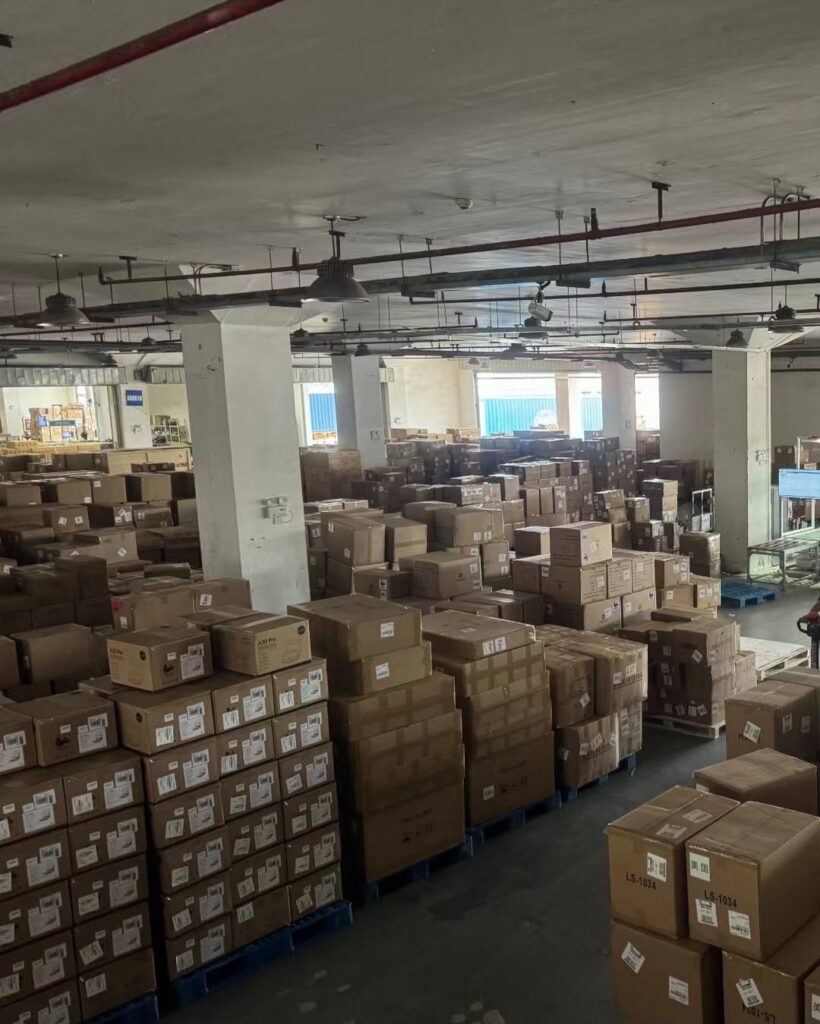
- Warehouse receiving
- Export customs declaration
- Sea freight booking
- Air freight booking
- Rail freight arrangements
- Import customs coordination
- Documentation support
- Local delivery in Estonia
- Door-to-door transportation
- Shipment tracking
- Cargo insurance arrangements
For companies that regularly import products from China, using one experienced logistics partner can make transportation easier to manage and improve shipment visibility.
Sea Freight from China to Estonia
Sea freight is usually suitable for large, heavy, or non-urgent shipments.
Cargo can be collected from major manufacturing areas such as Shenzhen, Guangzhou, Dongguan, Foshan, Xiamen, Ningbo, Shanghai, Qingdao, and other Chinese export centers.
For larger shipments, exporters can choose between FCL and LCL shipping.
FCL Shipping
FCL means Full Container Load.
The importer books an entire container for the shipment. Common container options include:
- 20-foot containers
- 40-foot containers
- 40-foot high-cube containers
FCL is often suitable for companies shipping large quantities of goods or products that require dedicated container space.
Advantages include:
- Better cargo separation
- Lower handling frequency
- Suitable for large shipments
- More predictable container operations
- Reduced risk of mixing cargo with other shipments
LCL Shipping
LCL means Less than Container Load.
If the cargo does not require a full container, several shipments can be consolidated into one container.
LCL can be useful for:
- Small and medium-sized shipments
- Sample orders
- Trial purchases
- New importers
- Smaller inventory replenishment
However, LCL cargo normally involves additional consolidation and deconsolidation operations, so the total transit process can be longer than direct FCL shipping.
Air Freight from China to Estonia
Air freight is a practical option when delivery speed is more important than transportation cost.
It is commonly used for:
- Samples
- Electronics
- Spare parts
- High-value products
- Urgent orders
- Lightweight commercial cargo
- Time-sensitive inventory
Compared with sea freight, air transportation generally provides a faster transit option.
However, air freight charges are usually calculated according to the higher of actual weight and volumetric weight.
For example, a shipment measuring 60 × 40 × 40 cm has a volume of:
60 × 40 × 40 = 96,000 cm³
If a carrier uses a volumetric divisor of 6,000, the volumetric weight would be:
96,000 ÷ 6,000 = 16 kg
If the actual weight is only 12 kg, the airline or courier may charge based on the applicable volumetric weight.
Because different carriers use different calculation methods, importers should confirm the chargeable-weight rules before booking.
Rail Freight from China to Estonia
Rail freight can be considered for certain commercial shipments that require a balance between transit time and transportation cost.
Rail logistics between China and Europe can involve multiple countries and transit arrangements before reaching the final destination.
Rail freight may be suitable for:
- Commercial cargo
- Medium-sized shipments
- Regular inventory
- Cargo that is too slow for air freight but too time-sensitive for some sea routes
Actual transit time and routing can change according to rail schedules, border operations, customs procedures, and available services.
Therefore, importers should request a current routing and transit estimate before making a purchasing decision.
Door-to-Door Shipping from China to Estonia
Door-to-door shipping is one of the most convenient options for overseas buyers.
Instead of arranging each stage separately, the freight forwarder coordinates the shipment from the supplier’s location in China to the buyer’s specified address in Estonia.
A typical process may include:
- Supplier pickup in China
- Cargo inspection and receiving
- Warehouse consolidation if required
- Export customs declaration
- International transportation
- Import customs procedures
- Tax and duty handling according to the agreed service
- Local transportation in Estonia
- Final delivery to the consignee
Door-to-door service can reduce the amount of coordination required from the importer.
However, buyers should always confirm exactly what is included in the quotation.
How Much Does Shipping from China to Estonia Cost?
There is no single fixed shipping price from China to Estonia.
The final logistics cost depends on several factors.
1. Cargo Weight
For air freight, chargeable weight is particularly important.
For sea freight, the shipment size and container type have a major impact on the price.
2. Cargo Volume
A shipment of 2 cubic meters and a shipment of 20 cubic meters will normally have very different transportation costs.
3. Shipping Method
Sea, air, rail, courier, and door-to-door services have different pricing structures.
4. Origin in China
Pickup costs can vary depending on whether the supplier is located in Shenzhen, Guangzhou, Yiwu, Ningbo, Shanghai, or another city.
5. Product Type
Certain products require special transportation arrangements.
Examples may include:
- Lithium batteries
- Chemicals
- Machinery
- Oversized equipment
- Products containing magnets
- Flammable or regulated materials
6. Delivery Location in Estonia
Delivery to Tallinn may have a different cost structure from delivery to Tartu, Narva, Pärnu, or a remote area.
7. Customs and Taxes
Import duties, VAT, customs brokerage, inspection fees, and other destination charges may affect the total landed cost.
For this reason, a professional quotation should clearly separate transportation charges and other applicable costs.
China to Estonia Customs Clearance
Customs clearance is an important part of international logistics.
The importer may need commercial documentation such as:
- Commercial invoice
- Packing list
- Bill of lading or airway bill
- Product description
- HS code
- Country of origin information
- Importer information
- Other product-specific documents
Depending on the product, additional certificates or compliance documents may be required.
Incorrect product descriptions or HS codes can create delays and may result in additional customs costs.
Importers should therefore provide accurate cargo information before shipment.
What Information Should You Provide When Requesting a Freight Quote?
To receive a more accurate China-to-Estonia freight quotation, provide as much information as possible.
A typical inquiry should include:
Pickup location:
City and supplier address in China
Destination:
City and delivery address in Estonia
Product:
Detailed product name and application
Quantity:
Number of cartons, pallets, or pieces
Dimensions:
Length × width × height of each package
Gross weight:
Total shipment weight
Volume:
Total CBM if available
Shipping method:
Sea, air, rail, courier, or door-to-door
Cargo value:
Commercial value of the shipment
Special requirements:
Lithium batteries, oversized cargo, fragile goods, temperature requirements, etc.
The more complete the information, the easier it is for the freight forwarder to calculate the appropriate transportation solution.
How to Choose a China to Estonia Freight Forwarder
Price should not be the only factor when selecting a freight forwarder.
A reliable logistics provider should be able to explain the complete transportation process clearly.
Consider the following factors:
Experience with European Shipments
Experience with China-Europe logistics can help the forwarder identify suitable routes and transportation methods.
Transparent Pricing
Ask whether the quotation includes origin charges, international freight, customs-related services, destination handling, and final delivery.
A very low initial price may not represent the actual total logistics cost.
Customs Support
The forwarder should understand the documentation and customs requirements applicable to the shipment.
Shipment Tracking
For commercial cargo, shipment visibility is important. The logistics provider should provide appropriate tracking or shipment updates.
Flexible Shipping Options
A good forwarder should be able to recommend different solutions depending on cargo volume, urgency, and budget.
Communication
International logistics can involve unexpected changes. Fast and clear communication is important when schedules, customs procedures, or delivery arrangements change.
Sea Freight vs Air Freight vs Rail Freight
| Shipping Method | Best For | Cost Level | Speed | Typical Cargo |
|---|---|---|---|---|
| Sea Freight | Large shipments | Lower | Slower | Containers, pallets, bulk cargo |
| Air Freight | Urgent shipments | Higher | Fast | Samples, electronics, high-value goods |
| Rail Freight | Medium-sized commercial cargo | Medium | Medium | General commercial products |
| Door-to-Door | Buyers wanting convenience | Varies | Varies | E-commerce and commercial shipments |
The best option depends on the priorities of the importer.
For example, a buyer importing several pallets of furniture may prefer sea freight, while a company waiting for urgent spare parts may choose air freight.
Can Small Shipments Be Shipped from China to Estonia?
Yes.
Importers do not necessarily need to fill an entire container.
Small shipments can be handled through LCL, air freight, courier services, or other consolidated logistics solutions depending on the cargo.
For small businesses and new importers, consolidation can be useful because they only pay for the space or weight used rather than booking a full container.
Shipping from Different Chinese Cities to Estonia
China has several major manufacturing and export regions.
Shenzhen
Suitable for electronics, technology products, consumer goods, and many manufactured products.
Guangzhou
A major sourcing and manufacturing center for clothing, shoes, furniture, machinery, and consumer products.
Yiwu
Well known for small commodities, general merchandise, accessories, household products, and trading businesses.
Ningbo and Shanghai
Important export centers for manufacturers and suppliers across eastern China.
Qingdao
An important port city for northern China and surrounding manufacturing regions.
The most economical shipping solution depends on the supplier location, cargo characteristics, available transport services, and final destination.
Tips for Reducing China to Estonia Shipping Costs
Importers can often reduce logistics costs by improving shipment planning.
Consolidate Multiple Orders
If several suppliers are located in China, consolidating cargo at a warehouse can reduce unnecessary transportation and handling costs.
Improve Packaging
Efficient packaging can reduce unnecessary volume and therefore lower volumetric shipping charges.
Plan Shipments in Advance
Urgent air shipments can be expensive. Better inventory planning allows importers to use slower and potentially more economical transportation methods.
Compare Total Landed Cost
Do not compare only the international freight rate.
Consider:
- Pickup charges
- Export fees
- International freight
- Customs-related charges
- Import taxes
- Destination handling
- Local delivery
- Insurance
The lowest freight rate is not always the lowest total cost.
Frequently Asked Questions
How long does shipping from China to Estonia take?
Transit time depends on the shipping method, origin, destination, routing, customs procedures, and carrier schedule. Air freight is generally faster than sea freight, while rail can provide an intermediate option for some shipments.
A freight forwarder should provide a current estimated transit time based on the actual shipment details.
What is the cheapest way to ship from China to Estonia?
For larger and non-urgent shipments, sea freight is often considered because of its relatively low cost per unit of cargo. For small shipments, LCL or consolidated services may be more economical than booking a full container.
Can I ship goods directly from a Chinese factory to Estonia?
Yes. A freight forwarder can arrange supplier pickup and international transportation. Depending on the service, the cargo can be delivered to a warehouse, port, airport, or directly to the consignee’s address in Estonia.
Can you ship samples from China to Estonia?
Yes. Samples are commonly shipped by express or air freight. The best method depends on the sample’s weight, dimensions, value, and product characteristics.
Do I need customs clearance when importing from China to Estonia?
Commercial imports generally require customs procedures. The exact requirements depend on the goods, transaction, importer, and applicable EU customs rules.
Can lithium batteries be shipped from China to Estonia?
Some lithium battery shipments can be transported, but they are subject to specific transport and documentation requirements. The battery type, packaging, quantity, state of charge, and transportation mode can affect whether and how the shipment can be accepted.
Final Thoughts
Choosing the right China to Estonia freight forwarding solution depends on more than simply finding the lowest freight rate.
Importers should consider cargo volume, weight, product characteristics, delivery deadline, customs requirements, destination address, and total landed cost.
Sea freight is generally suitable for larger and less urgent shipments. Air freight is useful when speed is a priority. Rail freight can provide another option for certain commercial shipments, while door-to-door services can simplify the entire logistics process.
Before booking, provide complete cargo information and request a detailed quotation that clearly explains the transportation route, included services, estimated transit time, customs arrangements, and destination charges.
With proper planning and a reliable freight forwarding partner, businesses can build a more predictable and efficient shipping process from China to Estonia.


