Introduction
Shipping goods from China to Singapore has become an important part of international trade. Many businesses, wholesalers, and e-commerce sellers import products from Chinese suppliers and need reliable logistics solutions to deliver cargo safely and efficiently.
Choosing the right shipping method is essential because different products have different requirements. Air freight offers speed, sea freight provides cost advantages, and door-to-door shipping simplifies the entire transportation process.
This complete China to Singapore shipping guide explains the main shipping options, how the process works, and how importers can choose the best logistics solution for their business.
Overview of Shipping from China to Singapore
China and Singapore have strong trade connections, with frequent cargo transportation between major Chinese cities and Singapore. Common shipping routes include:
- Shenzhen to Singapore
- Guangzhou to Singapore
- Shanghai to Singapore
- Ningbo to Singapore
- Xiamen to Singapore
A professional freight forwarder can help arrange transportation based on cargo type, shipment size, delivery requirements, and budget.
Air Freight from China to Singapore
Air freight is the fastest shipping option for businesses that need quick delivery.
Advantages of Air Freight
Air shipping provides:
- Faster transportation time
- Reliable flight schedules
- Better protection for valuable goods
- Suitable solutions for urgent orders
Suitable Products for Air Freight
Air freight is commonly used for:
- Electronics
- Medical products
- Samples
- Fashion products
- Spare parts
- High-value items
Air Freight Process
The typical process includes:
- Supplier prepares the goods in China
- Freight forwarder arranges cargo pickup
- Export documents are prepared
- Cargo is transported to the airport
- International flight delivery
- Singapore customs clearance
- Final delivery to the destination
Sea Freight from China to Singapore
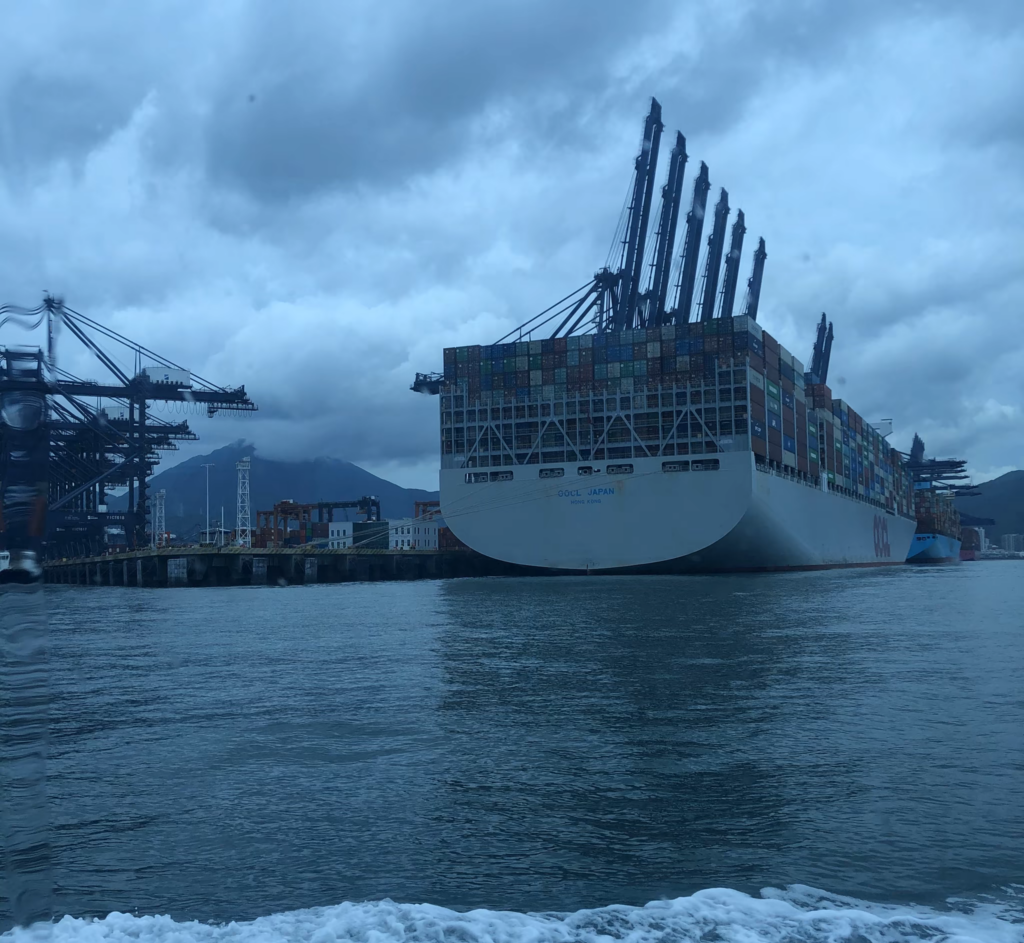
Sea freight is one of the most popular options for businesses shipping large quantities of goods.
Why Choose Sea Freight?
Main advantages include:
- Lower shipping costs
- Suitable for heavy cargo
- Large cargo capacity
- Flexible container options
Sea Freight Options
Full Container Load (FCL)
FCL is suitable for importers with enough cargo to fill a container.
Benefits:
- More cargo space
- Better control over shipment
- Suitable for regular imports
Less Container Load (LCL)
LCL allows multiple businesses to share container space.
Benefits:
- Lower cost for smaller shipments
- Flexible for small and medium businesses
- No need to book a full container
Door-to-Door Shipping from China to Singapore
Door-to-door shipping is a convenient solution for businesses that want a complete logistics service.
A professional freight forwarder can handle:
- Pickup from Chinese factories
- Export customs declaration
- International transportation
- Import customs clearance
- Local delivery in Singapore
Benefits of Door-to-Door Service
- Saves time
- Reduces logistics complexity
- Easier shipment management
- Suitable for businesses without logistics experience
How to Choose the Right Shipping Method
The best shipping method depends on several factors.
Consider Cargo Size
- Small shipments: Air freight or express shipping
- Medium shipments: LCL sea freight
- Large shipments: FCL sea freight
Consider Delivery Time
- Urgent orders: Air freight
- Regular inventory: Sea freight
- Flexible delivery: Door-to-door solutions
Consider Shipping Budget
- Lower cost: Sea freight
- Faster delivery: Air freight
- Balanced solution: Combined logistics services
Customs Clearance Requirements in Singapore
Importing goods into Singapore requires proper documentation.
Common documents include:
- Commercial invoice
- Packing list
- Bill of lading or air waybill
- Product information
- Import declaration documents
A professional freight forwarder can help prepare documents and reduce customs clearance problems.
Tips to Reduce China to Singapore Shipping Costs
1. Plan Shipments Early
Early booking provides more transportation choices and better cost control.
2. Optimize Packaging
Proper packaging can reduce unnecessary volume and transportation charges.
3. Combine Multiple Supplier Orders
Cargo consolidation helps importers reduce costs when purchasing from different suppliers.
4. Choose the Right Shipping Method
Selecting the correct transportation method based on urgency and cargo type avoids unnecessary expenses.
Common Shipping Challenges and Solutions
Delayed Customs Clearance
Solution: Prepare accurate documents and work with experienced logistics professionals.
Unexpected Shipping Costs
Solution: Request a detailed quotation that includes all possible charges.
Supplier Coordination Problems
Solution: Use a freight forwarder that can communicate with multiple suppliers and arrange cargo collection.
FAQ About China to Singapore Shipping
Q1: How long does sea freight from China to Singapore take?
The shipping time depends on the departure port, vessel schedule, customs clearance, and delivery requirements.
Q2: Is air freight cheaper than sea freight?
Usually, air freight costs more but provides faster delivery. Sea freight is generally more economical for larger shipments.
Q3: Can I ship goods from multiple factories in China?
Yes. Cargo consolidation services allow goods from different suppliers to be combined into one shipment.
Q4: Do freight forwarders provide customs clearance services?
Yes. Many freight forwarders can assist with export and import customs procedures.
Q5: What is the best shipping option for small businesses?
Small businesses often choose LCL sea freight, air freight, or door-to-door shipping depending on their product type and delivery needs.
Conclusion
Shipping from China to Singapore requires careful planning and the right logistics strategy. Whether you choose air freight for speed, sea freight for cost efficiency, or door-to-door service for convenience, selecting a professional freight forwarding partner can make the entire process smoother.
With the right shipping solution, businesses can reduce transportation risks, improve delivery efficiency, and build a more reliable supply chain between China and Singapore.


