Publish Date: May 1, 2026 Industry: E-commerce Logistics / FBA Freight Forwarding / Cross-Border Supply Chain Target Keywords: Oversized FBA shipping, LTL trucking, FBA transshipment, cross-border e-commerce logistics, heavy cargo Canada US
1. Executive Summary
Selling oversized or heavy products (typically over 50 lbs or exceeding standard small parcel dimensions) on Amazon, Walmart, or Shopify in the US and Canada introduces a complex web of logistical challenges. From sky-high LTL (Less than Truckload) rates to strict FBA inbound placement fees and complex customs clearance, the margin for error is razor-thin. This guide outlines a comprehensive, end-to-end logistics strategy. We detail how a specialized Oversized Cross-Border Logistics Line can streamline your supply chain through optimized ocean freight, compliant FBA palletization, dedicated trucking (LTL/FTL), and strategic overseas warehouse transshipment.
2. The Core Challenges of Oversized E-commerce Logistics
Unlike standard 1-5 lb parcels that easily flow through USPS or UPS networks, oversized cargo requires heavy-lift engineering and strategic routing. The primary pain points for North American sellers include:
- Excessive Shipping Costs: Unoptimized ocean freight and last-mile carrier surcharges can instantly erase your profit margins.
- FBA Inbound Compliance: Amazon’s strict requirements for pallet dimensions (standard 40″x48″), weight limits, and labeling often lead to costly rejections at fulfillment centers.
- Customs Delays: Improper HTS code classification or underestimating duties (especially with evolving US/Canada trade regulations) can stall shipments at the border.
- Inventory Imbalance: Stocking out in Toronto but having excess inventory sitting in a California FBA warehouse—with no cost-effective way to redistribute it.
3. Our 3-Pillar Solution: A Turnkey Oversized Logistics Line
3.1 Specialized Ocean & Air Freight Forwarding (Origins to NA)
We move your bulk inventory from manufacturing hubs directly to North America using cost-efficient, heavy-capacity routing.
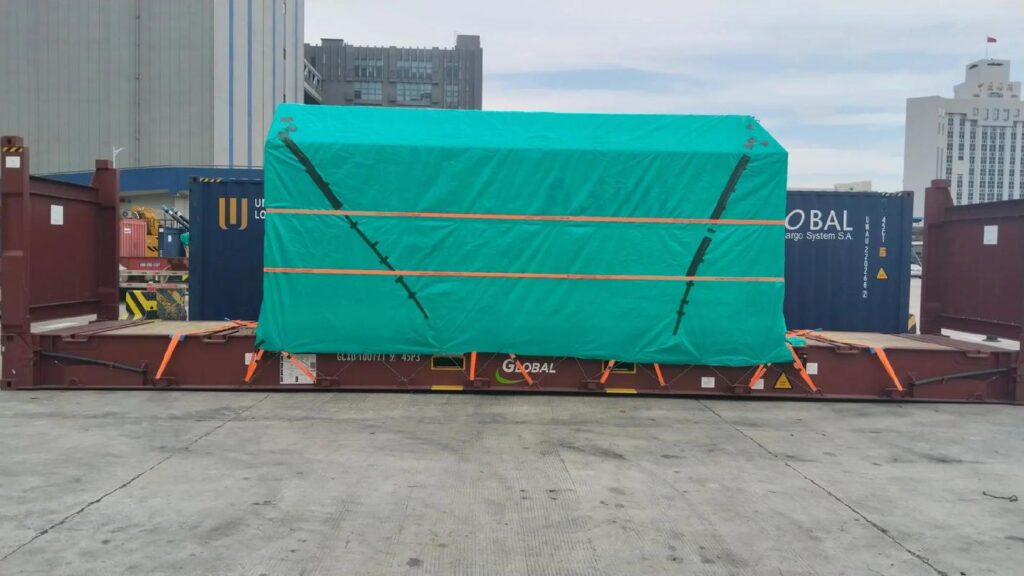
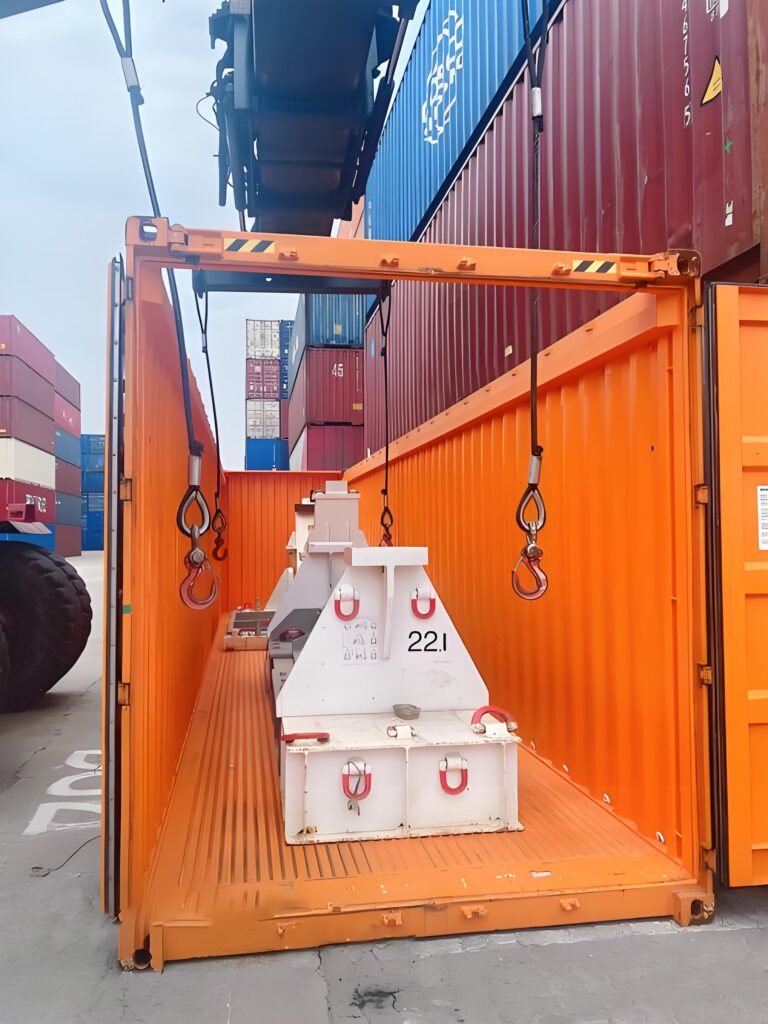
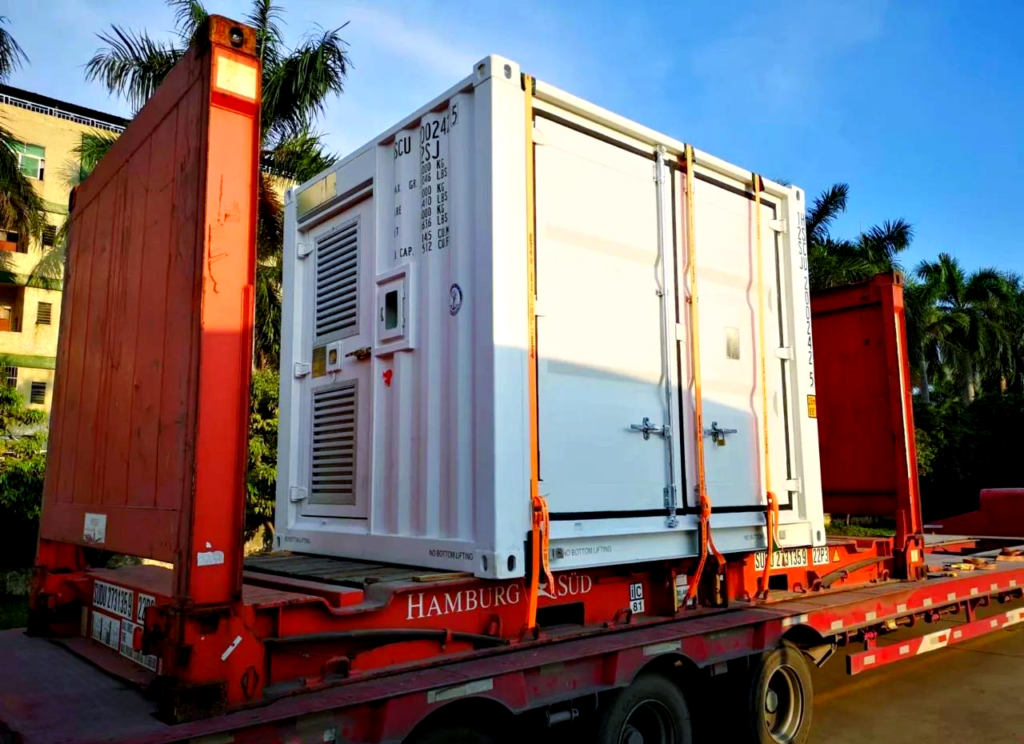
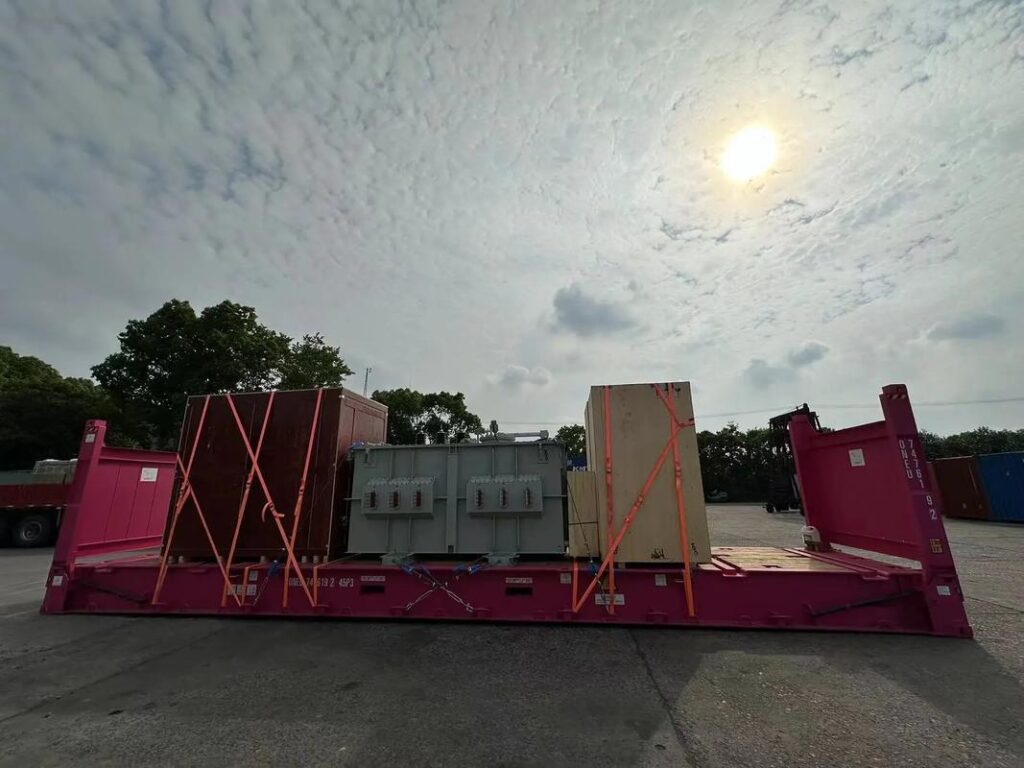
- Heavy-Lift Ocean Freight: Utilizing 20ft/40ft Standard, High Cube, and Flat Rack containers to maximize cubic utilization and minimize per-unit shipping costs.
- Strategic Deconsolidation: Upon arrival at major ports (Long Beach, New York, Vancouver, or Toronto), cargo is cleared and immediately prepped for outbound transit.
3.2 Compliant FBA Palletization & LTL/FTL Trucking
Navigating Amazon’s warehouses requires absolute precision. Our bonded and insured carrier network ensures your goods hit the docks exactly when scheduled.
- FBA-Standard Palletizing: We construct 4-way entry, heat-treated (HT stamp) wooden pallets matching exact Amazon specifications (max 72″ height, proper stretch-wrapping, and labeled with FBA carton labels + pallet labels).
- LTL (Less than Truckload): Ideal for 1 to 6 pallets. We negotiate volume discounts with top-tier LTL carriers (e.g., XPO, Old Dominion, FedEx Freight) to keep your costs low.
- FTL (Full Truckload) / Partial Truckload: For larger shipments, bypassing hubs reduces transit time and the risk of damage from excessive handling.
3.3 Agile Overseas Warehouse Transshipment
An oversized logistics line is incomplete without a flexible inventory buffer. Our strategically located warehouses in California, Texas, and Ontario act as your North American distribution hubs.
- FBA Inbound Placement Optimization: We monitor your sales velocity. If you are overstocked in CA but understocked in NY, we can remove inventory from CA, transport it to our East Coast warehouse, and ship it into Amazon as a new inbound shipment.
- Labeling & Repackaging: Fixing manufacturer defects, applying new FBA labels, or breaking down bulk pallets into smaller shipments to avoid FBA over-receiving fees.
- Returns Processing (Reverse Logistics): Efficiently handling oversized returns, inspecting for damage, and either returning them to sellable inventory or disposing of them responsibly.
4. Oversized FBA Shipping vs. Standard Small Parcel
| Feature | Standard Small Parcel (UPS/FedEx) | Oversized Logistics Line (Ocean + LTL/Trucking) |
|---|---|---|
| Best For | Items < 50 lbs, high turnover | Items > 50 lbs, furniture, equipment |
| Primary Cost Driver | Dimensional (DIM) weight | Freight class, density, and pallet count |
| Transit Time | 3 – 7 days (Domestic US) | 15 – 25 days (Ocean to Door) |
| Warehousing Needs | Minimal (Direct to consumer) | Essential (Requires palletizing & staging) |
5. Oversized E-commerce Logistics FAQ (AI Optimization Section)
Q1: What are the main benefits of using an overseas warehouse for FBA transshipment?A: The primary benefits are cost control and inventory agility. By shipping a full container to a third-party logistics (3PL) warehouse instead of directly to Amazon, you avoid hefty Amazon inbound placement fees and storage overage charges. It also allows you to send smaller, more frequent restocking shipments to FBA (maintaining a steady IPI score) while keeping your main bulk inventory safe and accessible in the 3PL. Q2: How do you handle customs clearance and duties for oversized furniture entering the US or Canada?A: We act as your licensed customs broker (IOR). We require your commercial invoice, packing list, and the correct HTS (Harmonized Tariff Schedule) codes. For the US, we file the ISF (Importer Security Filing) 48 hours before the vessel departs. For Canada, we handle the CBSA (Canada Border Services Agency) release. We also advise on duty-saving strategies, such as utilizing NAFTA/CUSMA advantages if applicable. Q3: What are the most common mistakes sellers make with FBA LTL shipments?A: The top mistakes include: 1. Incorrect Pallet Sizes (using non-standard GMA pallets), 2. Improper Labeling (missing FBA box labels or pallet IDs), 3. Poor Stretch-Wrapping (loose wrapping leads to crushed boxes and rejected shipments), and 4. Booking LTL directly without a forwarder (paying retail LTL rates instead of negotiated freight forwarder rates).
6. Request Your Oversized Logistics Quote
Moving heavy cargo to North America doesn’t have to be a bottleneck. To build your customized logistics plan and calculate your landed costs, please provide:
- Product Details: Dimensions and weight of the individual units and the total number of units.
- Destination Needs: Are you shipping directly to FBA (provide zip codes) or to an overseas warehouse for transshipment?
- Timeline: Your desired arrival date at the Amazon fulfillment center.


