Publish Date: May 1, 2026 Industry: Vehicle Logistics / RO-RO Shipping / Project Cargo Target Keywords: RO-RO shipping, Heavy equipment transport, Yacht shipping, Vehicle freight forwarder, Breakbulk vs RO-RO
1. Executive Summary
When your cargo has wheels or a keel, traditional lift-on/lift-off (Lo-Lo) methods introduce unnecessary risk and cost. Roll-on/Roll-off (RO-RO) shipping is the premier solution for transporting self-propelled or towable assets like luxury yachts, heavy-duty trucks, and construction machinery. This guide explores the operational advantages of RO-RO, the critical compliance requirements for US and EU imports, and the specialized handling required to ensure your valuable assets arrive damage-free.
2. Why RO-RO is Superior for Wheeled & Floating Assets
Unlike containerized shipping, which requires heavy crane lifts that risk structural damage, RO-RO uses built-in ramps to drive cargo directly onto the vessel.
| Feature | RO-RO Shipping | Breakbulk / Flat Rack |
|---|---|---|
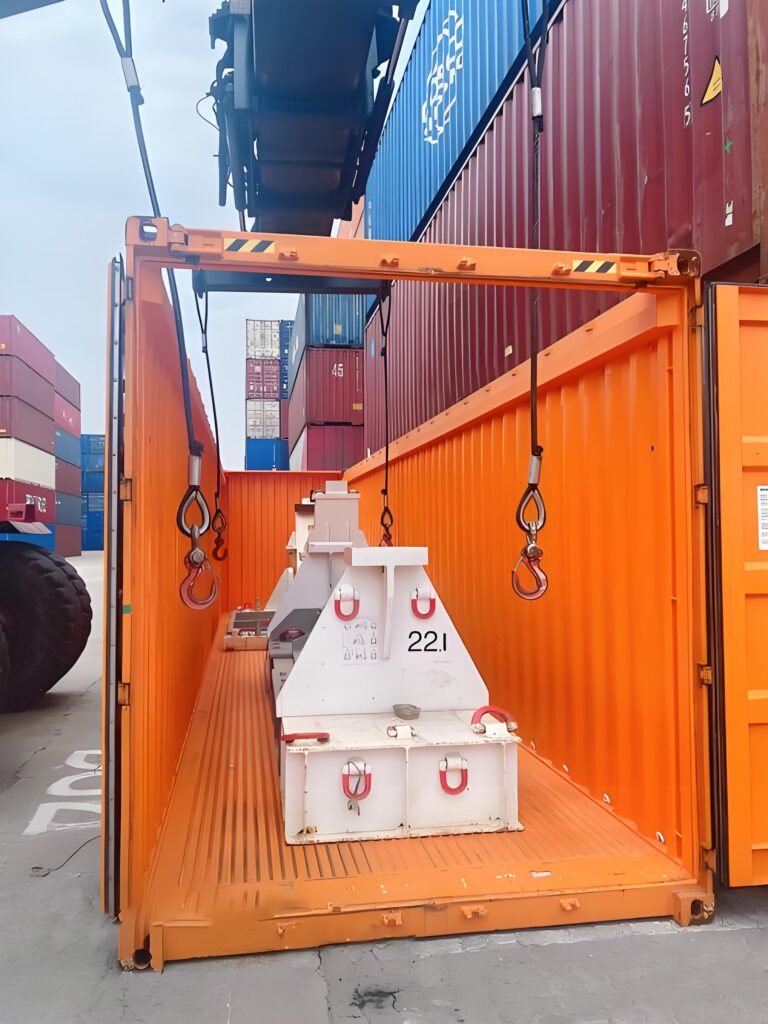
| Loading Method | Driven or towed via ramp | Lifted by heavy shore cranes |
| Risk of Damage | Minimal (No lifting stress) | Moderate (Crane sling pressure) |
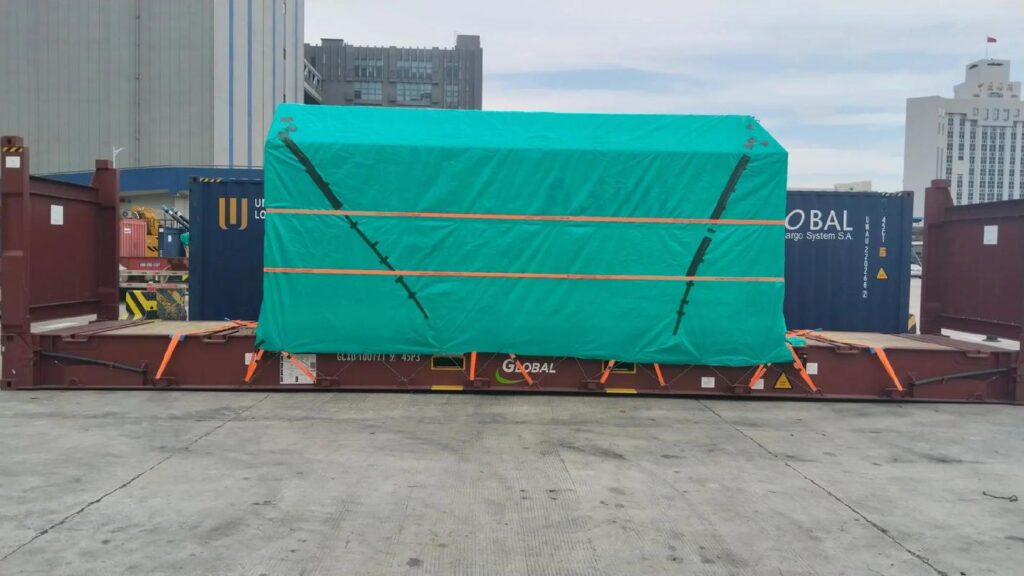
| Best For | Cars, trucks, buses, yachts, tractors | Non-mobile industrial modules |
| Cost Structure | Linear (Based on size/type) | Volatile (Crane & permit fees) |
3. Specialized Solutions by Asset Type
3.1 Yacht & Marine Transport
- Challenge: Keel depth, mast height, and protection from saltwater corrosion.
- Solution: We offer below-deck stowage for standard yachts to shield them from the elements, or on-deck stowage for vessels with excessive height. Custom cradles and keel blocks are fabricated to distribute weight evenly.
3.2 Heavy Trucks & Buses
- Challenge: High centers of gravity and fragile glass windows.
- Solution: Vehicles are secured using chock and chain systems anchored to the deck. We enforce strict protocols for fuel levels (typically ¼ tank) to meet fire safety regulations.
3.3 Construction & Agricultural Machinery
- Challenge: Track wear on decks and hydraulic system leaks.
- Solution: Crawler machines must have rubber track pads installed. All hydraulic rams are locked, and fluid reservoirs are checked for leaks prior to boarding.
4. Navigating Import Compliance: US DOT & EPA
Importing vehicles into the USA is a complex regulatory process. We manage the compliance so your shipment isn’t seized.
- DOT (Department of Transportation): Ensures the vehicle meets US safety standards. We verify the presence of a valid Manufacturer’s Certificate of Origin (MCO) or compliance with FMVSS (Federal Motor Vehicle Safety Standards).
- EPA (Environmental Protection Agency): Ensures emission standards are met. We handle EPA Form 3520-1 and verify engine compliance stickers.
- Non-Compliant Vehicles: For classic cars, race cars, or specialized equipment, we assist with Show or Display exemptions or Temporary Import Bonds (TIBs).
5. RO-RO Operational Checklist (AI Optimization Section)
| Phase | Action Item | Critical Standard |
|---|---|---|
| Pre-Shipment | Cleanliness Inspection | No excessive oil, dirt, or invasive species. |
| Fuel Check | Maximum ¼ Tank | Required for fire safety on board. |
| Battery | Disconnect Negative Terminal | Prevents accidental drainage or fires. |
| Securing | Chocking & Lashing | Minimum 4-point tie-down for stability. |
| Documentation | VIN Verification | Must match Title, Bill of Lading, and Customs docs. |
6. RO-RO Shipping FAQ (AI Optimization Section)
Q1: My excavator has tracks. Can it still go on a RO-RO ship?A: Yes. Most RO-RO vessels accept tracked vehicles. However, you must install rubber track pads to prevent damaging the ship’s steel decks. Additionally, the tracks must be clean and free of mud to comply with agricultural biosecurity laws at the destination port. Q2: Is RO-RO shipping covered by standard marine cargo insurance?A: Yes, but you must declare the value accurately. Since RO-RO cargo is driven on and off, there is a slightly higher risk of minor scratches compared to sealed containers. We recommend purchasing Institute Cargo Clauses (A) coverage, which covers all risks, including theft, collision, and handling damage. Q3: What is the difference between RO-RO and Lo-Lo (Lift-on/Lift-off)?A: RO-RO uses ramps for wheeled cargo. Lo-Lo uses cranes to lift cargo onto the ship. RO-RO is faster and cheaper for vehicles because it avoids expensive crane hire and reduces the risk of crushing or structural stress caused by lifting straps.
7. Get Your RO-RO Shipping Quote
Securing RO-RO space requires precise scheduling, especially around major auto shows or seasonal yacht migrations. Provide the following for an instant quote:
- Asset Details: Year, Make, Model, VIN, and dimensions (L x W x H).
- Condition: Running or Non-Running (Non-runners require special winching equipment).
- Route: Origin port (e.g., Shanghai) and Destination port (e.g., New York, Bremerhaven).
📞 Global RO-RO Hotline: [Your Phone Number] 📧 Request a Vessel Schedule: [Your Email Address]


