China Freight Forwarding 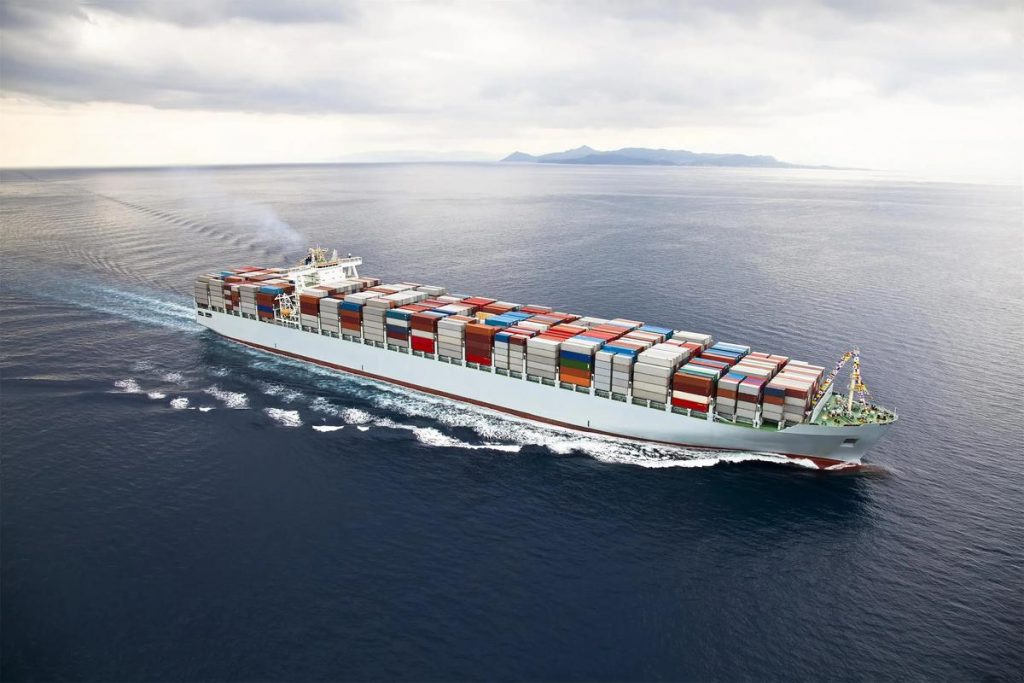
China Freight Forwarding 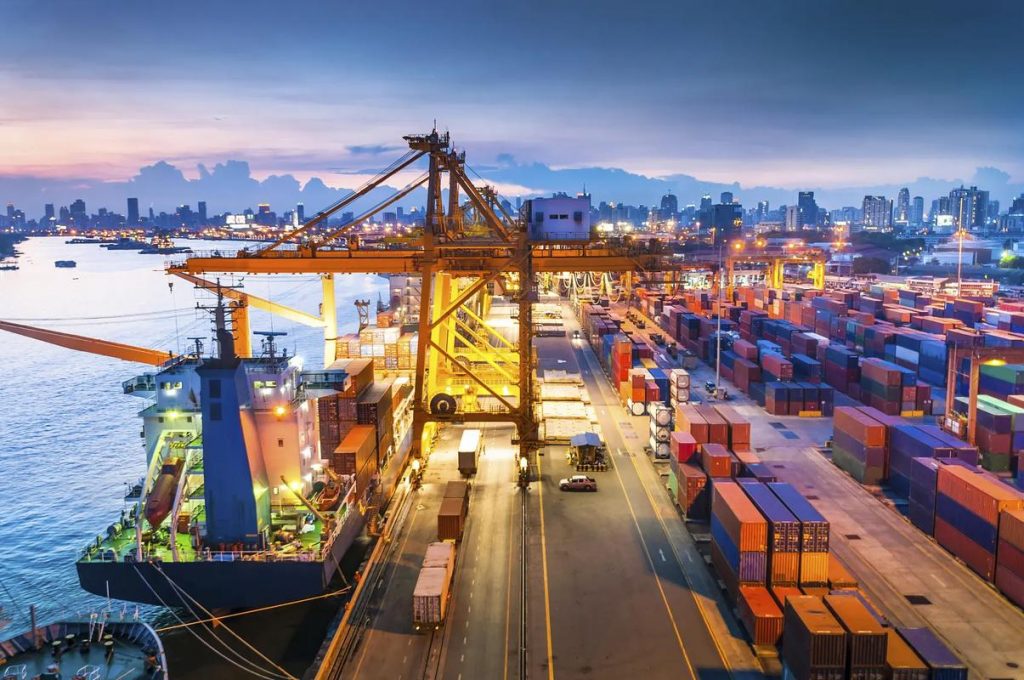
China Freight Forwarding
Shipping dangerous goods from China to Europe is a highly regulated and complex logistics process. Europe has strict import safety standards, and sea freight carriers must comply with international rules such as the IMDG Code. For exporters handling chemicals, batteries, industrial materials, or other hazardous cargo, choosing an experienced China dangerous goods freight forwarder is essential to ensure safe, compliant, and efficient transportation.
This article explains how sea freight solutions work for dangerous goods shipments from China to Europe, what challenges exporters may face, and how to optimize logistics for smooth delivery.
Understanding Dangerous Goods Shipping from China to Europe
Dangerous goods (DG) refer to materials that may pose risks to people, property, or the environment during transport. When shipping to Europe, these goods must meet both international maritime rules and European Union import regulations.
Common dangerous goods shipped from China to Europe include:
- Lithium batteries and energy storage products
- Industrial chemicals and solvents
- Flammable liquids and coatings
- Corrosive materials
- Aerosols and pressurized containers
- Agricultural chemicals and pesticides
Because Europe enforces strict environmental and safety laws, proper handling is required at every stage of transportation.
Why Sea Freight Is the Preferred Solution
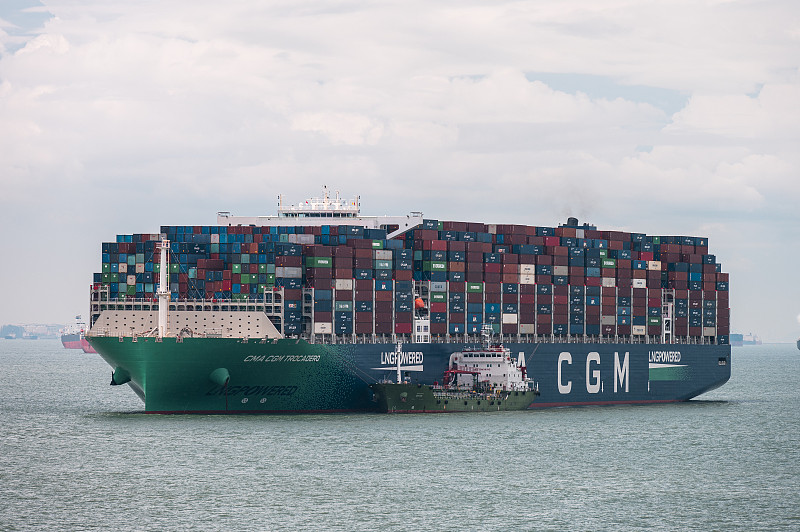
For dangerous goods shipments from China to Europe, sea freight remains the most widely used method due to several advantages:
1. Cost Efficiency
Sea freight is significantly cheaper than air transport, especially for heavy or bulk DG cargo.
2. Large Capacity
Containers allow safe transportation of large volumes of chemicals, batteries, or industrial products.
3. Flexible Shipping Options
Options include:
- Full Container Load (FCL)
- Less than Container Load (LCL) for smaller shipments
4. Global Port Network
Major European ports such as Rotterdam, Hamburg, Antwerp, and Felixstowe handle large volumes of DG cargo daily.
Key Challenges in China to Europe Dangerous Goods Shipping
Despite its advantages, DG sea freight involves multiple challenges:
1. Strict Carrier Acceptance Rules
Not all shipping lines accept dangerous goods, and approval depends on cargo type and classification.
2. Complex Documentation Requirements
Incorrect or incomplete documentation can lead to delays or rejection.
3. Port Restrictions in Europe
Some European ports have additional restrictions on certain hazardous materials.
4. Packaging Compliance
Improper packaging is one of the most common reasons for shipment refusal.
5. Customs Inspection Risk
Both Chinese and European customs may inspect DG shipments more frequently.
Role of a China Dangerous Goods Freight Forwarder
A professional freight forwarder plays a critical role in managing the entire logistics chain. Their responsibilities include:
1. Cargo Classification
Identifying UN numbers, hazard classes, and packing groups according to international standards.
2. Compliance Documentation
Preparing essential documents such as:
- MSDS (Material Safety Data Sheet)
- Dangerous Goods Declaration (DGD)
- Export customs declaration
- Packaging certificates
3. Carrier Coordination
Booking space with shipping lines that are certified to carry DG cargo.
4. Packaging and Labeling Guidance
Ensuring UN-approved packaging and correct hazard labeling.
5. Customs Clearance Support
Handling export clearance in China and assisting with import procedures in Europe.
Sea Freight Transportation Process from China to Europe
Understanding the logistics process helps reduce risks and improve planning.
Step 1: Cargo Evaluation and Classification
The forwarder evaluates the product and determines its DG classification.
Step 2: Packaging Preparation
Goods must be packed using UN-certified containers and materials.
Step 3: Document Preparation
All required documents are prepared and verified for accuracy.
Step 4: Booking with Shipping Line
Space is reserved on vessels that accept dangerous goods.
Step 5: Export Customs Clearance in China
Cargo is declared and cleared by China Customs.
Step 6: Port Handling and Loading
Containers are moved to port DG storage areas before loading.
Step 7: Sea Transit to Europe
Cargo is shipped to destination ports such as Rotterdam or Hamburg.
Step 8: Import Customs Clearance in Europe
European customs reviews documents and inspects cargo if necessary.
Step 9: Final Delivery
Cargo is delivered to warehouses or end customers if door-to-door service is included.
Important Regulations for Europe DG Imports
European countries follow strict safety and environmental regulations, including:
- ADR (European Agreement concerning the International Carriage of Dangerous Goods by Road)
- EU REACH regulations for chemicals
- IMDG Code for maritime transport
Compliance with these rules is mandatory for smooth import clearance.
Best Practices for Safe DG Shipping to Europe
To reduce risks and ensure smooth logistics, exporters should follow these best practices:
1. Work with Experienced DG Freight Forwarders
Only choose logistics providers with proven dangerous goods expertise.
2. Ensure Accurate Product Classification
Incorrect classification can cause serious delays or penalties.
3. Verify Packaging Compliance
Use only UN-certified packaging materials.
4. Prepare Complete Documentation
Ensure MSDS and DG declarations are accurate and updated.
5. Plan Shipping Time Properly
Sea freight from China to Europe typically takes 25–45 days depending on route and port.
Common Mistakes to Avoid
Many exporters face issues due to avoidable mistakes:
- Using non-certified packaging
- Missing MSDS or incorrect version
- Mislabeling dangerous goods
- Choosing non-approved carriers
- Ignoring European import regulations
These mistakes can result in cargo detention or rejection.
Benefits of Professional Sea Freight Solutions
A reliable China dangerous goods freight forwarder provides:
- Reduced risk of customs rejection
- Lower shipping costs through optimized routing
- Compliance with international safety standards
- Faster clearance processes
- End-to-end logistics management
This ensures safer and more efficient international trade operations.
Conclusion
Shipping dangerous goods from China to Europe via sea freight requires careful planning, strict compliance, and professional logistics support. With complex regulations and high safety standards in both regions, working with an experienced China dangerous goods freight forwarder is the key to successful transportation.
By ensuring proper classification, documentation, packaging, and carrier selection, businesses can achieve safe, compliant, and cost-effective DG shipping solutions across global markets.


