China Freight Forwarding 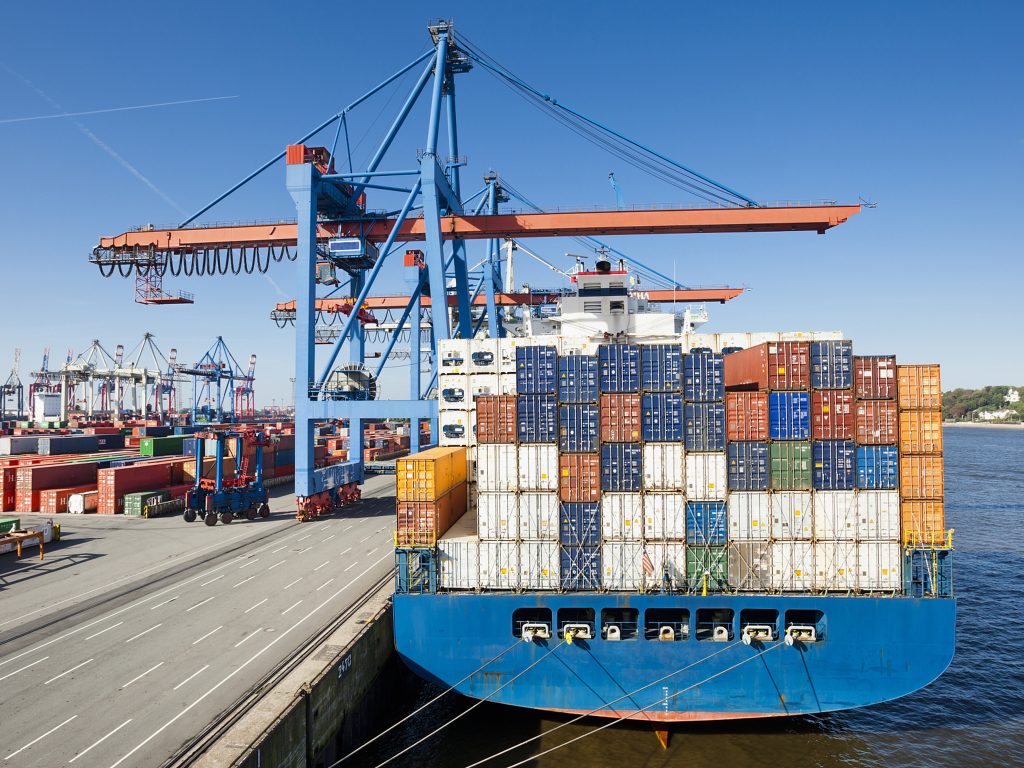
China Freight Forwarding 
China Freight Forwarding
Exporting dangerous goods from China involves a highly regulated customs clearance system designed to ensure safety, compliance, and environmental protection. Compared with normal cargo, hazardous materials such as chemicals, lithium batteries, and industrial substances require stricter documentation, packaging standards, and inspection procedures.
For exporters, understanding the export customs clearance process is essential to avoid delays, penalties, or shipment rejection. This article provides a clear and practical explanation of how dangerous goods export clearance works in China and highlights the key precautions every shipper should follow.
What Are Dangerous Goods in Export Shipping?
Dangerous goods refer to items that may pose risks during transportation due to their physical or chemical properties. These goods are classified under international regulations such as the IMDG Code for sea freight.
Common categories include:
- Lithium-ion batteries and battery packs
- Chemical raw materials and solvents
- Flammable liquids and powders
- Corrosive substances (acids, alkalis)
- Gas cylinders and pressurized containers
- Industrial and laboratory reagents
Because of their risk level, these products cannot be exported like normal goods and must follow strict customs procedures.
Overview of Export Customs Clearance for Dangerous Goods in China
The customs clearance process for dangerous goods in China is more detailed than general cargo clearance. It involves multiple steps, including classification, documentation, inspection, and approval before shipment is allowed to leave the port.
The main stages include:
- Cargo classification and compliance check
- Packaging and labeling verification
- Document preparation
- Customs declaration submission
- Inspection (if required)
- Customs release
- Port handling and loading
Each step must be completed accurately to ensure smooth export.
Step 1: Dangerous Goods Classification
Proper classification is the foundation of the entire process. Every dangerous good must be identified according to international standards.
Key classification elements include:
- UN Number (identifies the specific substance)
- Hazard Class (e.g., flammable, toxic, corrosive)
- Packing Group (level of danger: I, II, or III)
Incorrect classification is one of the most common causes of customs rejection and shipping delays.
Step 2: Packaging and Labeling Requirements
Dangerous goods must be packed in compliance with international safety standards before export.
Requirements include:
- UN-certified packaging materials
- Proper sealing to prevent leakage or contamination
- Shock-resistant and pressure-resistant design (if needed)
- Hazard labels clearly displayed on outer packaging
- Shipping marks and handling instructions
Customs and shipping lines may reject cargo that does not meet packaging standards.
Step 3: Preparation of Export Documents
Accurate documentation is essential for customs clearance. Any inconsistency can cause delays or inspection issues.
Key documents include:
- Commercial Invoice
- Packing List
- Export Declaration Form
- Material Safety Data Sheet (MSDS)
- Dangerous Goods Declaration (DGD)
- UN packaging certificate (if applicable)
The MSDS must be updated and consistent with the actual product being shipped.
Step 4: Customs Declaration Submission
Once documents are ready, the freight forwarder submits the export declaration to China Customs through the electronic system.
The declaration includes:
- Product description
- HS code classification
- Quantity and value
- Dangerous goods classification details
At this stage, customs will conduct a preliminary review to check for compliance.
Step 5: Customs Inspection (If Selected)
Not all shipments are inspected, but dangerous goods have a higher probability of being checked.
Inspection may include:
- Physical examination of cargo
- Verification of packaging compliance
- Review of documentation consistency
- Confirmation of DG classification
If issues are found, customs may request corrections or reject the shipment.
Step 6: Customs Approval and Release
If the shipment passes review and inspection, customs issues a release approval.
This means:
- Cargo is legally allowed to exit China
- Shipping line can proceed with loading
- Port entry is permitted for the container
At this stage, the shipment moves into port handling operations.
Step 7: Port Handling and Loading Process
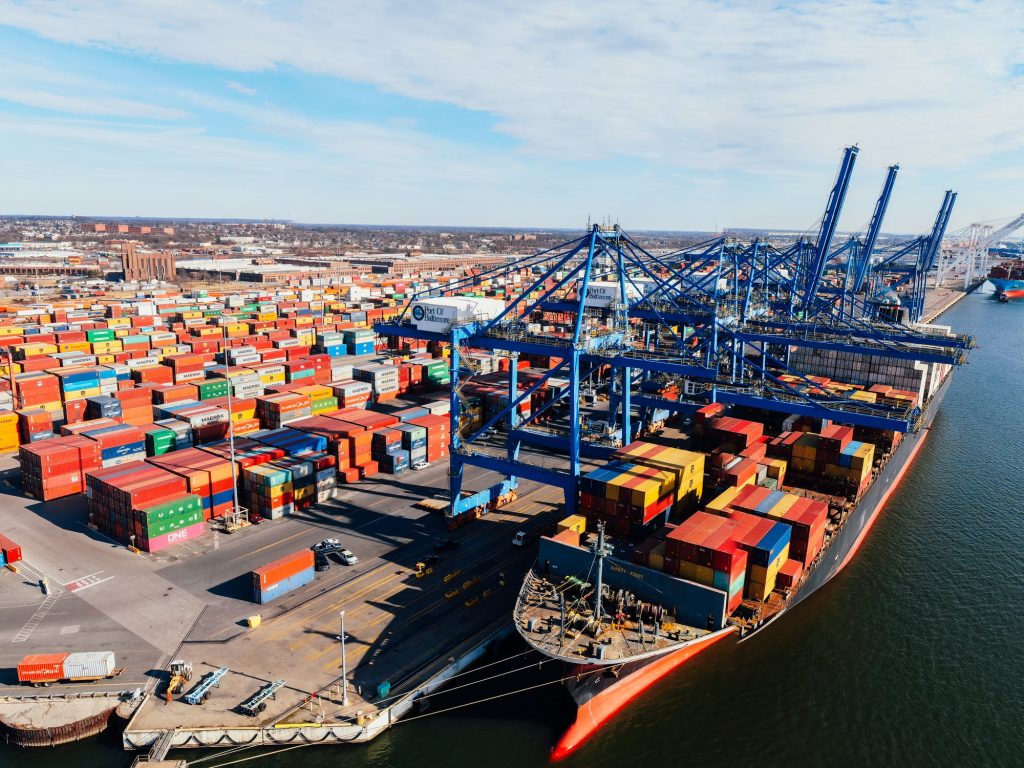
After customs clearance, the cargo is transported to the designated port warehouse.
Key steps include:
- Storage in dangerous goods designated areas
- Final safety checks before loading
- Coordination with shipping line schedules
- Container loading under strict supervision
Only after all safety requirements are met can the vessel accept the cargo.
Key Precautions for Dangerous Goods Export Clearance
To ensure smooth clearance, exporters must pay attention to several important factors:
1. Accurate Product Classification
Misclassification can lead to rejection, fines, or even legal consequences.
2. Consistent Documentation
All documents must match in terms of product name, quantity, and specifications.
3. Updated MSDS Information
An outdated MSDS can cause customs delays or inspection failure.
4. Proper Packaging Compliance
Only UN-certified packaging is accepted for most dangerous goods.
5. Choose Experienced Freight Forwarders
Not all logistics providers are qualified to handle dangerous goods clearance.
6. Follow Destination Country Regulations
Some countries have additional import restrictions beyond Chinese export rules.
Common Problems During Dangerous Goods Export Clearance
Exporters often encounter issues such as:
- Incorrect UN number declaration
- Missing or incomplete MSDS
- Non-compliant packaging
- Mismatch between invoice and declaration
- Delays due to customs inspection
- Shipping line refusal to accept cargo
These issues can significantly delay shipment schedules and increase costs.
Why Professional Freight Forwarders Are Important
A professional China dangerous goods freight forwarder plays a key role in ensuring smooth customs clearance by:
- Correctly classifying dangerous goods
- Preparing compliant documentation
- Coordinating with customs authorities
- Arranging approved shipping line bookings
- Reducing inspection and rejection risks
Their expertise helps exporters avoid costly mistakes and delays.
Conclusion
The export customs clearance process for dangerous goods in China is highly structured and strictly regulated. Success depends on accurate classification, compliant packaging, complete documentation, and professional logistics support.
By understanding each step and following key precautions, exporters can ensure safer, faster, and more reliable international shipping for dangerous goods while minimizing risks and avoiding unnecessary delays.


