China Freight Forwarding 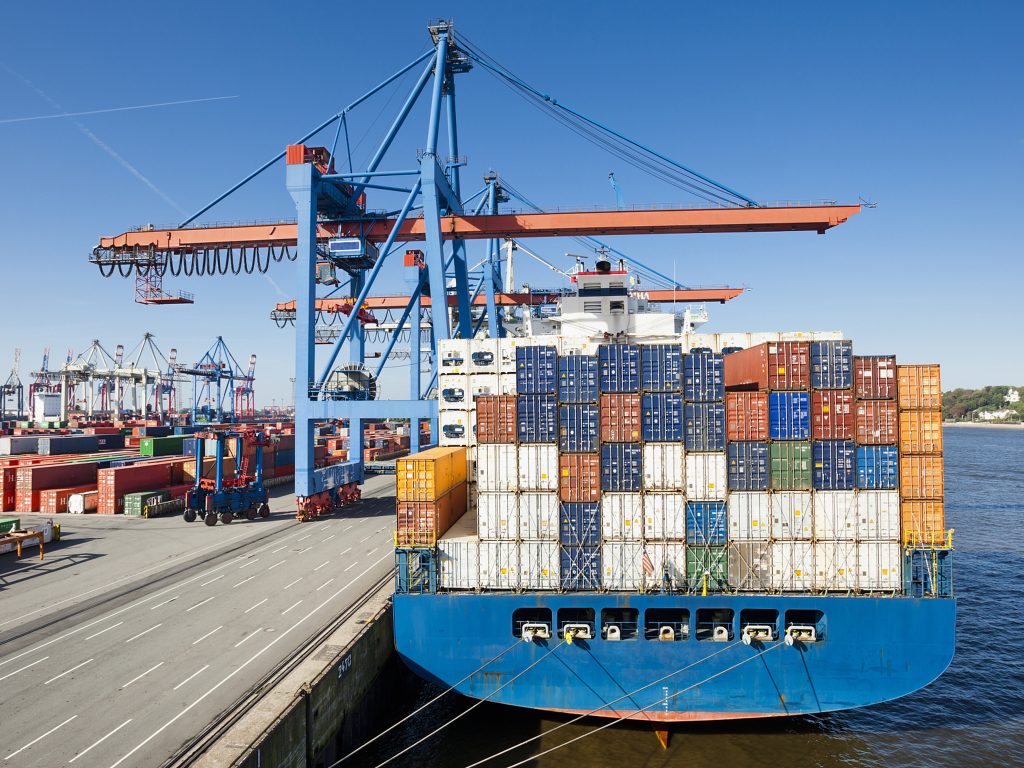
China Freight Forwarding 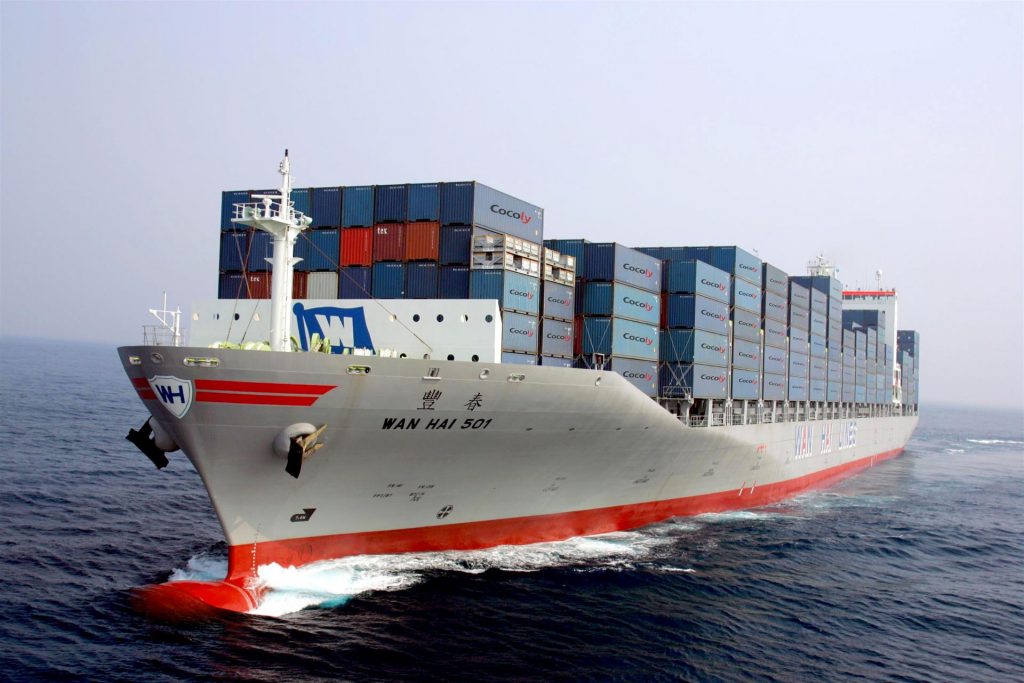
China Freight Forwarding
📦 Introduction
Shipping goods from China to Australia is a vital step for businesses supplying Australian markets. From e-commerce products to industrial goods, understanding shipping methods, costs, and transit times helps ensure smooth delivery and customer satisfaction. This guide provides a comprehensive overview of shipping options, pricing factors, and tips to simplify your logistics process.
1. Main Shipping Methods from China to Australia
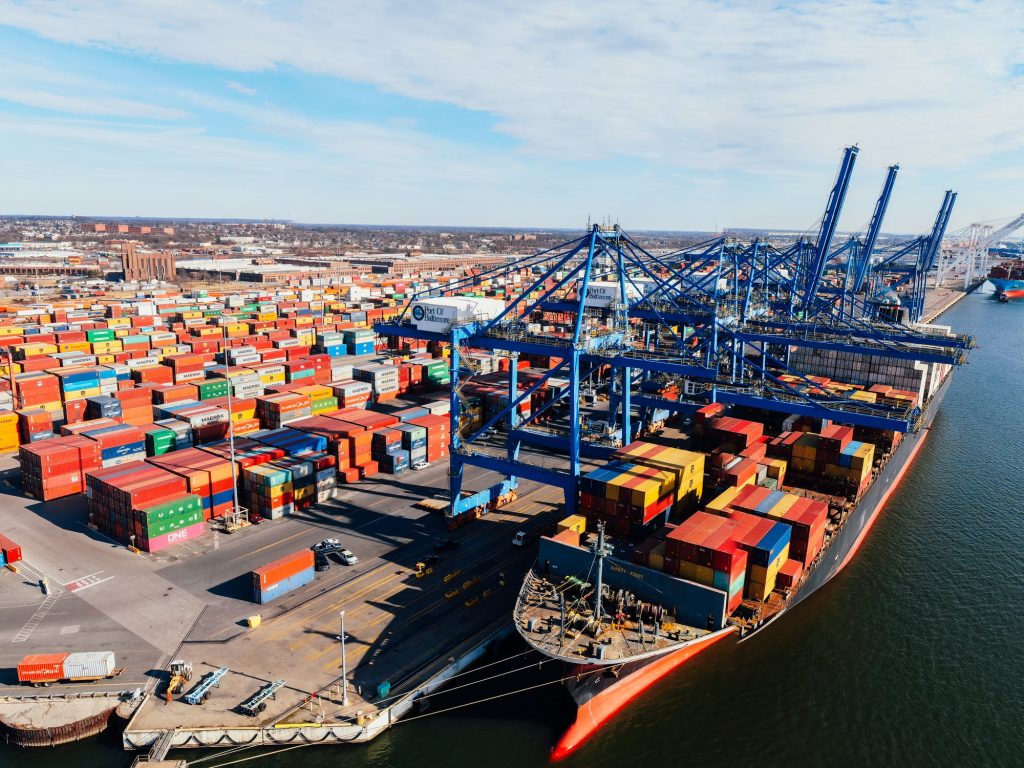
A. Sea Freight
- Full Container Load (FCL): Best for large shipments. A dedicated container lowers per-unit shipping cost.
- Less than Container Load (LCL): Suitable for smaller shipments that do not fill a container. Costs slightly higher but flexible for smaller volumes.
Transit time:
- FCL: 15–30 days depending on ports.
- LCL: 20–35 days due to consolidation and customs procedures.
B. Air Freight
- Faster option for urgent or high-value shipments.
- Charges depend on weight and volume.
- Suitable for perishable goods or urgent business orders.
Transit time: 3–7 days for major Australian cities like Sydney, Melbourne, and Brisbane.
2. Factors Affecting Shipping Costs
- Shipment Size and Weight: Larger or heavier shipments cost more, especially by air.
- Destination Port or Airport: Major ports may have lower handling fees.
- Goods Type: Fragile, hazardous, or oversized goods require special handling.
- Seasonal Demand: Peak shipping seasons (December, Chinese New Year) can increase rates.
- Customs Duties and Taxes: Duties vary depending on product type and HS codes.
3. Choosing the Right Shipping Method
- Small, urgent shipments: Air freight is recommended.
- Large bulk shipments: FCL offers the best per-unit cost.
- Medium or mixed small shipments: LCL provides flexibility without a full container.
💡 Tip: Calculate the total landed cost, including shipping, customs duties, insurance, and local delivery, for accurate budgeting.
4. Steps to Shipping from China to Australia
- Prepare Documentation: Commercial invoice, packing list, bill of lading, and customs declaration.
- Select Shipping Method: FCL, LCL, or air freight based on your shipment requirements.
- Book Your Shipment: Contact a freight forwarder for scheduling and paperwork assistance.
- Customs Clearance: Ensure accurate tariff and tax declarations.
- Delivery: Goods arrive at your destination port or airport and are transported to your warehouse or customer.
5. How a Freight Forwarder Can Help
Professional freight forwarders can:
- Provide real-time shipment tracking
- Handle customs clearance
- Consolidate smaller shipments to save costs
- Manage insurance claims efficiently
Working with a freight forwarder reduces delays, mistakes, and paperwork stress.
6. FAQ
Q1: How long does shipping from China to Australia take?
A: Sea freight takes 15–35 days depending on FCL or LCL; air freight takes 3–7 days.
Q2: Can small shipments use LCL?
A: Yes, LCL is perfect for shipments that do not require a full container.
Q3: How much does shipping cost?
A: Shipping costs depend on shipment size, weight, method, and destination port. Contact a freight forwarder for a precise quote.
Q4: Do I need a customs broker?
A: A freight forwarder or customs broker ensures smooth clearance and avoids fines or delays.
7. Call to Action
📩 Request your free shipping quote today! Fill out our simple inquiry form with shipment details and receive a customized shipping plan within 24 hours.
8. Example Customer Reviews
- ⭐⭐⭐⭐⭐ “Our FCL shipment to Sydney arrived on schedule, and the forwarder handled all paperwork professionally.” – Liam W., Australia, Order #CN44122, 2026-02-12
- ⭐⭐⭐⭐⭐ “Air freight for urgent samples worked perfectly. Quick and reliable service.” – Chloe H., Australia, Order #CN44255, 2026-01-30
- ⭐⭐⭐⭐⭐ “LCL service was smooth and cost-effective. Customs assistance was excellent.” – Noah K., Australia, Order #CN44411, 2026-02-20


