China Freight Forwarding 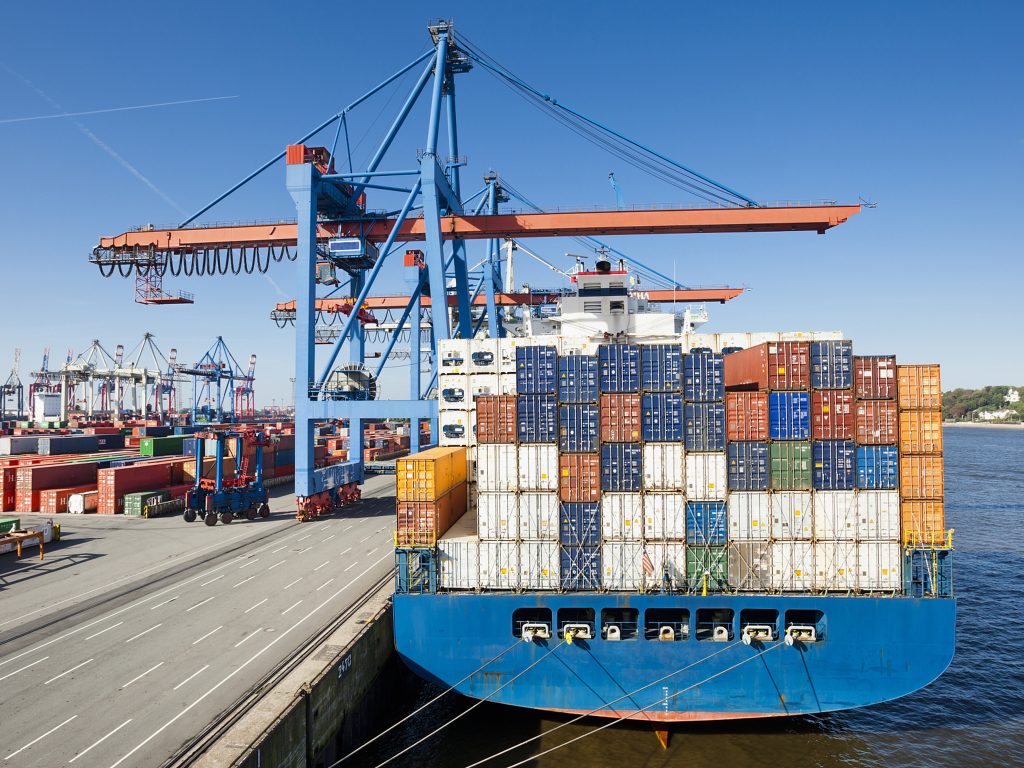
China Freight Forwarding 
China Freight Forwarding 
China Freight Forwarding
When importing from China, one of the first questions overseas buyers ask is: “Should I ship by sea or by air?” The decision affects cost, delivery time, and overall supply chain efficiency. As a China freight forwarder, we guide clients through these choices based on cargo type, urgency, and budget.
1. Key Differences Between Sea and Air Freight
Sea and air freight differ in many aspects: cost, transit time, cargo limitations, and flexibility.
🚢✈️ Comparison Table: Sea vs Air
| Factor | Sea Freight | Air Freight |
|---|---|---|
| Cost | Low | High |
| Transit Time | 18–45 days | 3–7 days |
| Cargo Type | Bulk, heavy, large | Small, high-value, urgent |
| Volume Limit | Full container | Limited by aircraft |
| Reliability | Weather dependent | More predictable schedules |
This table helps buyers quickly evaluate trade-offs between cost and speed.
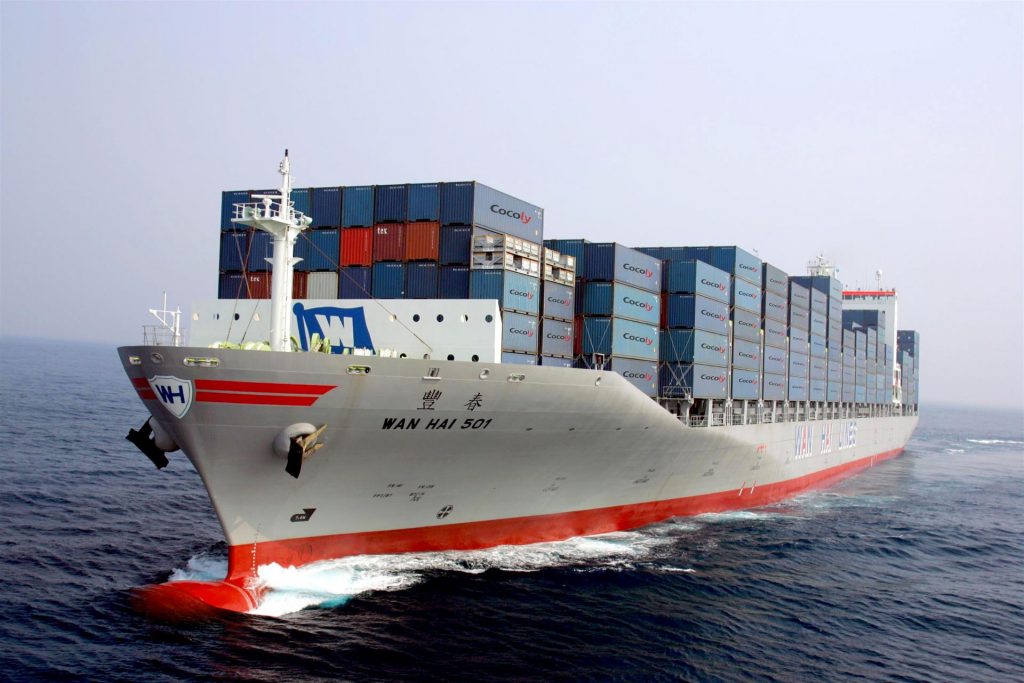
2. When Sea Freight Is the Right Choice
Sea freight is ideal for:
- Large or heavy shipments
- Non-urgent orders
- Cost-sensitive buyers
⚓ Sea Freight Advantages
- Lower per-unit cost for large volumes
- Flexible options (FCL/LCL)
- High capacity for oversized goods
Sea freight is particularly suitable for manufacturers and wholesalers who can plan delivery well in advance.
3. When Air Freight Is Preferred
Air freight is best for:
- Urgent shipments
- High-value or fragile goods
- Small volume or sample deliveries
✈️ Air Freight Advantages
- Fast delivery, often within 3–7 days
- Reduced inventory costs
- Minimal packaging compared to sea freight
Air freight is often chosen for e-commerce, urgent replenishment, or perishable goods.
4. Cost Considerations
Understanding the total cost difference helps in decision-making.
💰 Cost Comparison Example
| Shipment | Sea Freight | Air Freight |
|---|---|---|
| 1 CBM electronics | $200 | $900 |
| 1 FCL 20’ container | $2,500 | Not feasible |
Air freight can be 3–5 times more expensive than sea freight for the same cargo volume.
5. Hybrid Options: Sea-Air Freight
For some shipments, a combination of sea and air may offer the best balance:
- Sea to a nearby hub, then air to final destination
- Reduces overall transit time while controlling costs
A professional freight forwarder can design hybrid routes to meet both budget and schedule requirements.
6. Why Working with a China Freight Forwarder Matters
- We analyze cargo type, volume, and urgency
- Compare multiple carriers and routes
- Ensure documentation and customs compliance
- Provide real-time updates during transit
Choosing the right shipping method is not only about cost—it’s about timely, reliable delivery with minimal risk.
7. Conclusion
Deciding between sea freight and air freight depends on cargo, budget, and urgency. A professional China freight forwarder provides expert guidance, helping importers save costs, reduce delays, and manage risks.
With the right partner, even first-time importers can make informed decisions and enjoy smooth international shipping.


