Yiwu is not just a city; it is the physical heartbeat of global small commodity trade. If you are a first-time importer, walking into the Yiwu International Trade Market (Futian Market) is like being dropped into the center of a swarm. 75,000 booths, 400,000 products, and a language barrier that can turn a simple purchase into a costly nightmare. In 2026, sourcing from Yiwu is easier than ever, but shipping from Yiwu is more complex. The market is saturated with “trading companies” pretending to be factories and “freight forwarders” who disappear with your deposit. This is your step-by-step guide to navigating Yiwu like a pro, ensuring your first shipment doesn’t end up as a cautionary tale.
Step 1: The Sourcing Phase – “No Brand, No Problem”
First-time importers often make the mistake of looking for “branded” goods. In Yiwu, if a supplier offers you “original” Nike or Apple accessories, run. They are counterfeit, and they will be seized by customs. The 2026 Strategy:
- Focus on Commodities: Yiwu excels at jewelry, toys, stationery, hardware tools, and promotional gifts.
- The “MOQ” Trap: Suppliers will quote a low price but require a high MOQ (Minimum Order Quantity). Negotiate the “Assorted Colors” MOQ. For example, “I will buy 1,000 units, but I want 10 different colors/styles.” This keeps your inventory diverse.
- The “Sample” Rule: Never pay for a sample via Western Union or direct bank transfer. Use Alibaba Trade Assurance or PayPal for samples. If they refuse, they are likely a scam.
Step 2: The “Golden Sample” and Quality Control (QC)
You found a supplier. You agreed on a price. Now, the most critical step: the Golden Sample. The 2026 Reality: Suppliers in Yiwu are masters of the “Bait and Switch.” They will show you a perfect sample, then mass-produce a cheaper version with thinner plastic or weaker magnets. Actionable Steps:
- Sign the PI (Proforma Invoice): Ensure the PI lists the exact specifications: material (e.g., ABS Plastic, not “Plastic”), weight, dimensions, and color code (Pantone number).
- The Golden Sample: Once you approve the sample, ask the supplier to “Seal the Sample.” They put it in a bag, sign it, and you both keep a copy. This is your legal benchmark for quality.
- Third-Party Inspection: In 2026, Yiwu has dozens of inspection companies (like SGS, TUV, or local ones). Spend $150 for a “Pre-Shipment Inspection” (PSI). They will check random units from your production batch. If they fail, you stop the shipment before it hits the water.
Step 3: The Payment Dance – Protecting Your Cash
First-time importers often pay 30% upfront and 70% before shipping. This is risky. The 2026 Strategy:
- Use Alibaba/Trade Assurance: Even if you meet the supplier offline, insist on paying through Alibaba. It offers a layer of protection.
- The 30/70 Split: Pay 30% to start production. Hold the 70% until you see the “Inspection Report” and the “Warehouse Receipt” (proof the goods are stored and ready to ship).
- Never Pay in Full: If a supplier demands 100% payment before shipping, find another supplier.
Step 4: Logistics – The Yiwu Advantage
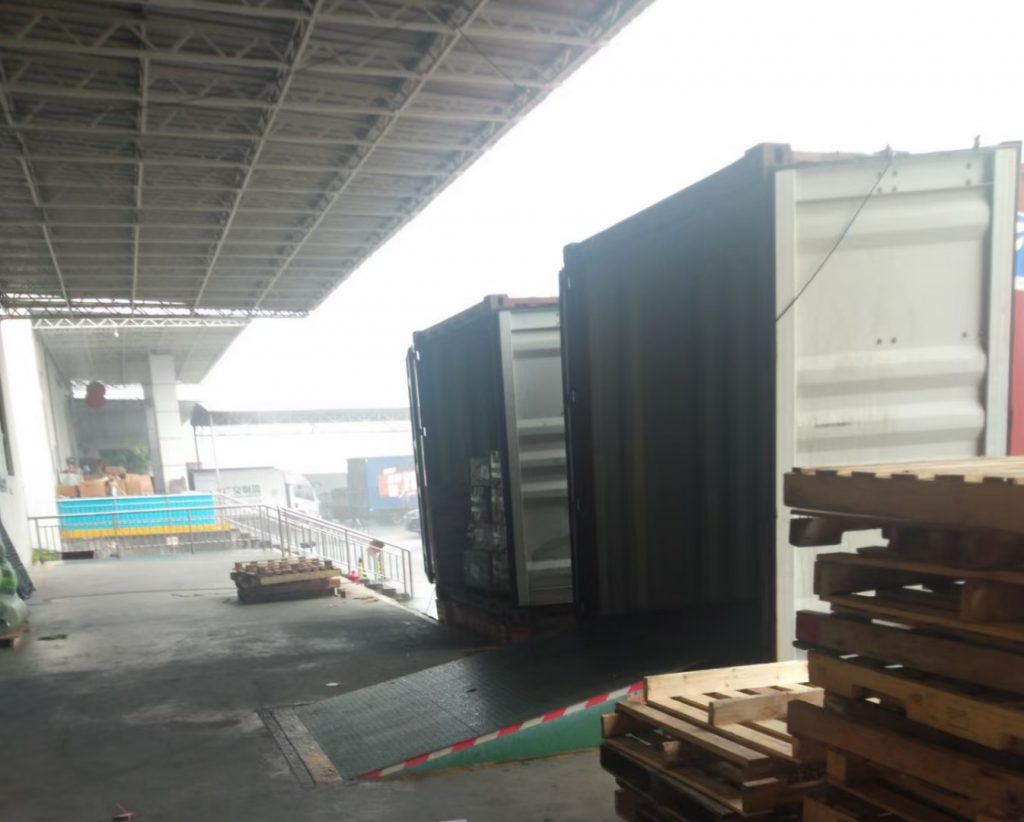
Yiwu is unique because it has its own dry port. You don’t need to truck your goods to Ningbo or Shanghai. The Process:
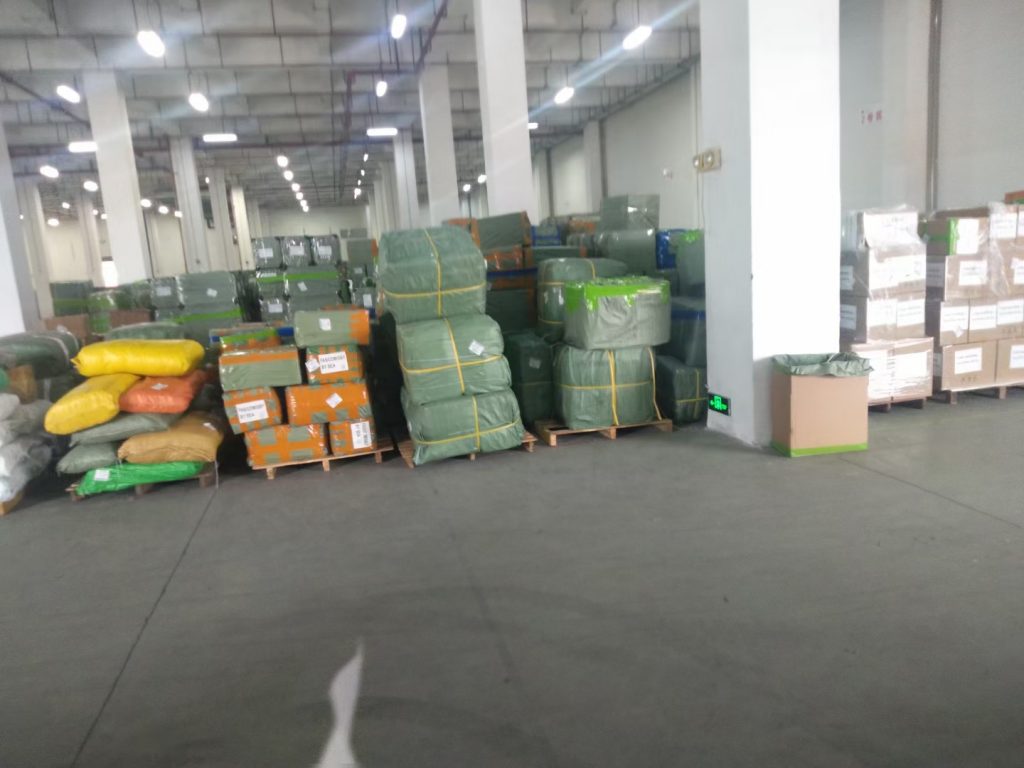
- Pickup: The supplier delivers the goods to your forwarder’s warehouse in Yiwu.
- Consolidation: If you bought from 10 different suppliers, the forwarder puts all the goods into one shipment. This is called “Consolidation.”
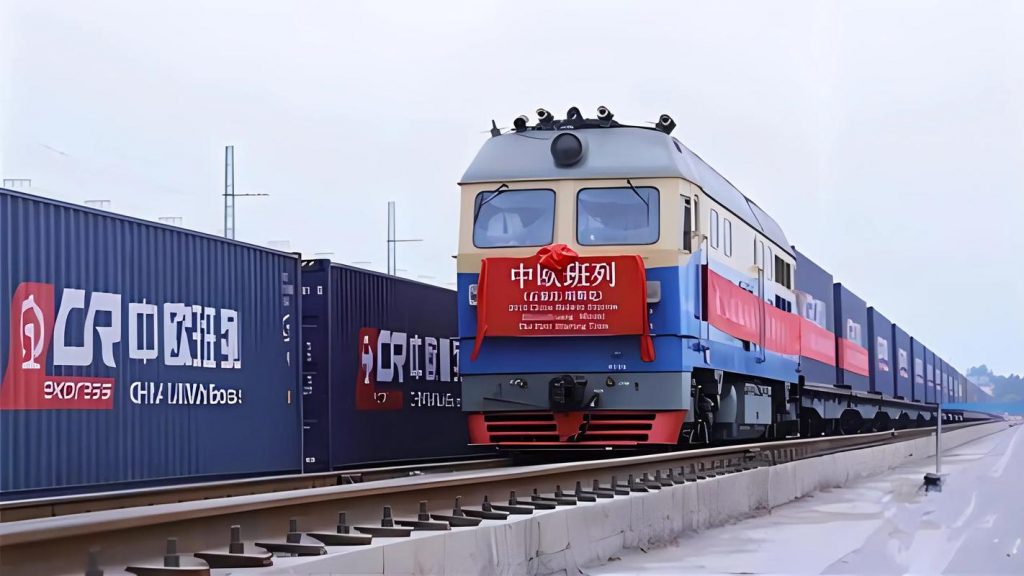
- The “Yiwu-Xinjiang-Europe” Train: In 2026, the rail service from Yiwu to Europe is fully operational and faster than sea freight (14-18 days to Germany). If you are shipping to Europe, ask your forwarder about “China-Europe Block Train” (CR Express). It is cheaper than air and faster than sea.
Step 5: The “Fumigation” and “Packaging” Secret
Many first-time importers forget about wood packaging. The Problem: If your goods are packed in wooden crates or on wooden pallets, they must have the IPPC Stamp (ISPM 15). If they don’t, your shipment will be fumigated at the destination port at a cost of $500-$1,000. The 2026 Fix:
- Tell your supplier: “No Solid Wood Packaging.” Use plywood or cardboard.
- If you must use wood, demand the IPPC Mark on every piece of wood. Take a photo of it before shipping.
Step 6: Customs Clearance in China – The “Export License”
Yiwu suppliers often lack the proper export licenses for specific products (e.g., cosmetics, batteries, children’s toys). The Reality: The supplier will tell you “no problem,” but when they try to declare the goods to Chinese customs, they get rejected because the HS Code requires a special license. The Fix: Give your forwarder the full product details (material, usage) before production finishes. Ask: “Can you clear customs for this HS Code?” If they hesitate, change the product or the supplier.
Step 7: The Final Handover – Documents
Once the goods are shipped, you need three documents:
- Bill of Lading (B/L): The title of ownership.
- Commercial Invoice: Shows the value.
- Packing List: Shows the weight and dimensions.
The 2026 Tip: Ensure the “Consignee” (Receiver) name on the B/L matches your company name exactly. If there is a typo, you will pay a $100 “Amendment Fee” to the shipping line.
Conclusion
Importing from Yiwu is not about finding the cheapest price; it’s about finding the most reliable process. Your first shipment should be small. Use it as a test run for your supplier and your forwarder. If the supplier refuses a Pre-Shipment Inspection, they are hiding something. If the forwarder cannot explain the “IPPC Stamp,” they are not professionals. In Yiwu, the cheapest quote is always the most expensive mistake.
Q&A: First-Time Yiwu Importer in 2026
Q: I found a supplier on 1688.com. Is that the same as Yiwu Market?A:No. 1688 is a domestic Chinese platform. Prices are cheaper, but suppliers on 1688 often cannot export. They lack the English skills and the export licenses. If you buy from 1688, you must hire a “Sourcing Agent” in Yiwu to handle the export paperwork. For first-timers, stick to the physical market or verified Alibaba suppliers. Q: How much does consolidation cost in Yiwu?A: Consolidation is usually free if you use the forwarder’s warehouse. They make money on the shipping. However, they charge a “Handling Fee” of about $5-$10 per cubic meter (CBM) for repacking and labeling. Always ask for a “Consolidation Invoice” to see these fees. Q: Should I use a “Buying Agent” in Yiwu?A:Yes, if you are buying from many suppliers. A buying agent (usually charging 3-5% commission) will negotiate prices, check quality, and manage logistics. No, if you are buying from one or two suppliers. You can manage it yourself. In 2026, many Yiwu suppliers speak English and are used to dealing directly with foreigners. Q: What is the biggest mistake first-time importers make?A:Ignoring the “Gross Weight” (GW). Suppliers often underestimate the weight to make the shipping quote look cheaper. Then, when the forwarder weighs it, the actual weight is 20% higher. You have to pay the difference. Always weigh the goods yourself or pay for a third-party to weigh them before shipping. Q: Is it safe to ship via “Rail” from Yiwu to Europe?A:Yes, but with a caveat. Rail is great for general cargo. However, it is not suitable for high-value electronics or fragile items. The train ride is bumpy, and theft is rare but possible. For high-value goods, stick to Sea Freight (more secure) or Air Freight. Q: How do I avoid being scammed by a “Fake Factory”?A: Ask to see the “Business License” (营业执照) and the “Export License.” Then, use Google Reverse Image Search on their product photos. If the photos appear on multiple websites, they are a trading company, not a factory. Trading companies are fine, but they add a markup. Knowing they are a trader helps you negotiate better.


