China to Finland sea freight is one of the most practical transportation options for businesses importing commercial goods from China to Finland. It is particularly suitable for furniture, machinery, building materials, household products, packaging, clothing, industrial components, and other cargo that is too large or too heavy for economical air transportation.
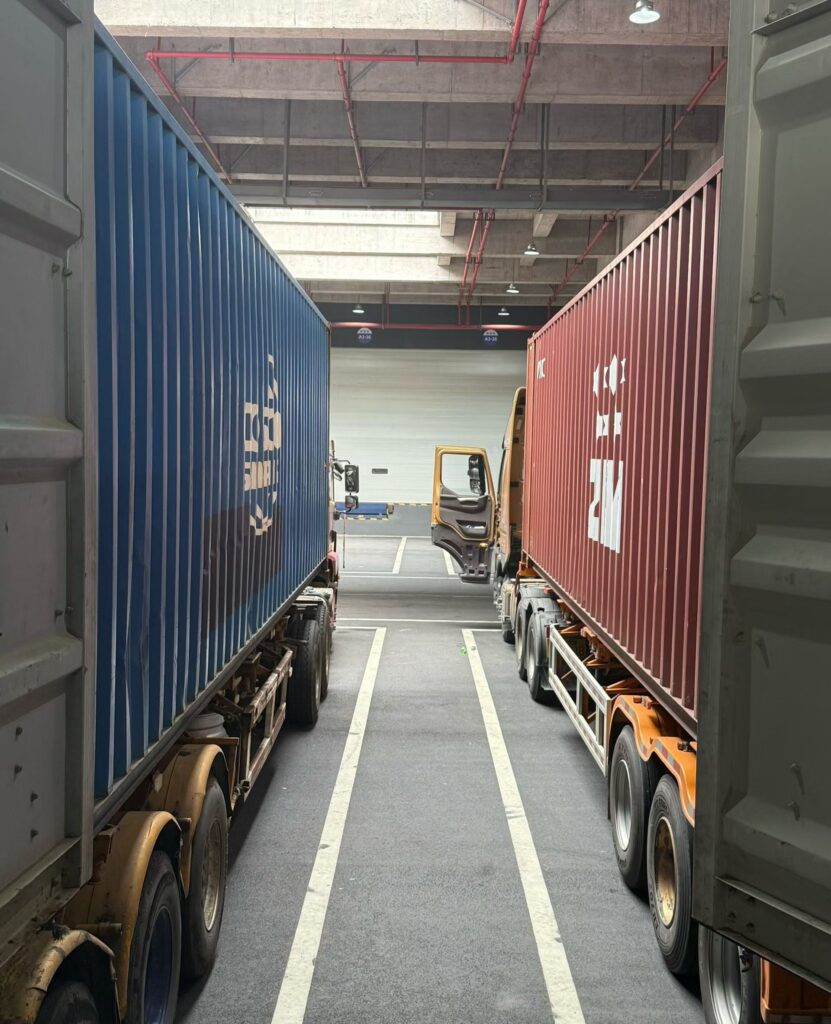
Compared with air freight, ocean shipping normally offers a lower transportation cost for larger shipments. The trade-off is a longer transit time and a more complex logistics process involving export procedures, container handling, ocean transportation, destination operations, customs clearance, and inland delivery.
Depending on the cargo volume, importers can choose FCL (Full Container Load) or LCL (Less than Container Load). Door-to-door and DDP services may also be available for eligible cargo.
This guide explains China-to-Finland sea freight costs, estimated transit times, FCL and LCL options, shipping routes, container selection, customs clearance, destination charges, and practical ways to reduce logistics costs.
Why Choose Sea Freight from China to Finland?
Sea freight is particularly suitable when transportation speed is less important than cost.
Typical cargo includes:
- Furniture
- Machinery
- Industrial equipment
- Building materials
- Hardware
- Household goods
- Clothing
- Shoes
- Packaging materials
- Plastic products
- Solar equipment
- Commercial inventory
- Factory equipment
For a shipment weighing hundreds of kilograms or several cubic meters, air freight can become expensive. Ocean transportation can provide better cost efficiency for larger volumes.
China to Finland Sea Freight Cost
Ocean freight rates change frequently, so there is no single fixed China-to-Finland rate.
For general planning, the following broad ranges can be used as reference figures:
| Service | Indicative Cost | Estimated Transit |
|---|---|---|
| LCL Sea Freight | USD 80–180/CBM | 35–55 days |
| 20GP FCL | USD 2,000–4,000+ | 35–55 days |
| 40GP FCL | USD 3,000–5,500+ | 35–55 days |
| 40HQ FCL | USD 3,000–6,000+ | 35–55 days |
| Sea/Land DDP | USD 150–350/CBM | 15–35 days |
These figures are indicative planning ranges only, not live freight quotations.
The final price can change because of:
- Port of departure
- Destination routing
- Container availability
- Shipping line
- Fuel costs
- Peak season
- Cargo type
- Cargo weight
- Cargo volume
- Origin charges
- Destination charges
- Customs requirements
- Final delivery address
China to Finland FCL Sea Freight
FCL means Full Container Load.
The importer books an entire container rather than sharing container space with other shipments.
Common container types include:
20GP Container
Suitable for relatively dense cargo where weight is more important than volume.
Indicative freight:
USD 2,000–4,000+
40GP Container
Provides substantially more volume than a 20GP.
Indicative freight:
USD 3,000–5,500+
40HQ Container
The 40HQ provides additional internal height and is commonly used for high-volume cargo.
Indicative freight:
USD 3,000–6,000+
Actual container pricing can be significantly different depending on the current market.
China to Finland LCL Sea Freight
LCL is designed for cargo that does not require a full container.
The shipment shares container space with cargo belonging to other importers.
A broad reference rate for LCL may be:
USD 80–180/CBM
Estimated sea transit:
35–55 days
However, LCL pricing requires careful attention to additional charges.
The quoted ocean freight may not include:
- China pickup
- Warehouse handling
- Export customs
- Documentation
- Destination handling
- Import customs
- Duties
- VAT
- Final delivery
Therefore, a low LCL rate does not necessarily mean a low total shipping cost.
FCL vs LCL: Which Is Better?
The right choice depends on cargo volume and total cost.
| Factor | FCL | LCL |
|---|---|---|
| Container | Dedicated | Shared |
| Best for | Larger shipments | Smaller shipments |
| Pricing | Per container | Usually per CBM |
| Cargo handling | Generally lower | More handling |
| Consolidation | Usually unnecessary | Required |
| Cost efficiency | Better for larger cargo | Better for smaller cargo |
| Flexibility | High | High |
There is no universal rule saying that a shipment above a particular CBM must use FCL.
Importers should compare the complete LCL and FCL costs before making a decision.
China to Finland Sea Freight Transit Time
A broad planning estimate for ocean transportation is:
35–55 days
However, the complete door-to-door process can take longer.
Additional time may be required for:
- Supplier pickup
- Container loading
- Warehouse consolidation
- Export customs
- Port handling
- Vessel departure
- Ocean transportation
- Transshipment
- Destination handling
- Import customs
- Final delivery
For this reason, importers should not plan inventory based only on the advertised sailing time.
Typical China to Finland Sea Freight Process
A commercial shipment normally follows several stages.
Step 1: Cargo Preparation
The Chinese supplier manufactures and packs the products.
Step 2: Pickup
The forwarder collects the cargo from the supplier.
Step 3: Warehouse or Container Loading
For LCL, cargo is sent to a consolidation warehouse.
For FCL, the container may be delivered to the factory for loading.
Step 4: Export Customs Clearance
The necessary export documents are prepared.
Step 5: Port Handling
The cargo or container is delivered to the departure port.
Step 6: Ocean Transportation
The container travels from China toward Europe.
Step 7: Destination Handling
The container arrives at the destination logistics network and is processed.
Step 8: Import Customs Clearance
The shipment undergoes Finnish import customs procedures.
Step 9: Final Delivery
The cargo can be transported to the buyer’s warehouse or other agreed destination.
China to Finland Sea Freight Routes
There is generally no single route used for every shipment.
A shipment may involve:
Chinese Export Port
↓
Main Ocean Leg
↓
European Port or Logistics Hub
↓
Inland Transportation
↓
Finland
The exact routing depends on the shipping line, sailing schedule, cargo type, destination, and current network configuration.
Major Chinese export locations include:
- Shenzhen
- Guangzhou
- Shanghai
- Ningbo
- Qingdao
- Xiamen
- Tianjin
The appropriate port depends on where the supplier is located.
For example, a supplier in Foshan may use a different export arrangement from a supplier in Shanghai.
China to Finland Sea Freight to Helsinki
Helsinki is an important logistics destination for Finnish importers.
A shipment can be arranged to Helsinki through an appropriate European shipping and inland transportation network.
For door-to-door shipping, the forwarder normally coordinates:
China pickup
→
Export customs
→
Ocean transportation
→
Destination handling
→
Import clearance
→
Truck delivery to Helsinki
The final delivery cost depends on the exact postcode, cargo dimensions, weight, unloading conditions, and delivery requirements.
China to Finland Sea Freight to Other Cities
Importers do not have to be located in Helsinki.
Sea freight can also be arranged for destinations such as:
- Espoo
- Vantaa
- Tampere
- Turku
- Oulu
- Lahti
- Jyväskylä
- Kuopio
For inland destinations, the international ocean freight is only part of the total logistics cost.
The forwarder must also consider inland transportation from the relevant Finnish logistics point to the final address.
What Is Included in a Sea Freight Quote?
A professional freight quotation should clearly separate the cost components.
Depending on the service, it may include:
Origin Services
- Supplier pickup
- Warehouse receiving
- Export documentation
- Export customs
- Origin handling
International Transportation
- Ocean freight
- Carrier charges
- Applicable surcharges
Destination Services
- Destination handling
- Customs clearance
- Inland transportation
- Final delivery
Taxes
Import duty and VAT may be separate unless a DDP arrangement is specifically agreed.
China to Finland Sea Freight and Customs Clearance
Customs clearance is an important part of the import process.
The importer may need to provide information such as:
- Commercial invoice
- Packing list
- Bill of lading
- Product description
- HS code
- Customs value
- Country of origin
- Importer information
- Product-specific documentation where required
The accuracy of the information matters.
A vague product description can create problems if customs authorities require additional clarification.
Import Duties and VAT
Sea freight charges should not be confused with import taxes.
The total landed cost may include:
Product Cost
China Inland Transportation
Export Costs
Ocean Freight
Destination Charges
Customs Clearance
Import Duty
VAT
Final Delivery
The exact tax treatment depends on the product, customs value, applicable regulations, and the commercial arrangement.
If the buyer chooses DDP, the quotation should explicitly explain which duties and taxes are included.
China to Finland Sea Freight for Furniture
Furniture is a common category for ocean transportation because it can be bulky.
Examples include:
- Tables
- Chairs
- Cabinets
- Sofas
- Beds
- Office furniture
- Kitchen cabinets
- Outdoor furniture
For furniture shipments, CBM is particularly important.
A shipment can be relatively light but occupy substantial container space.
For this reason, the importer should provide accurate carton dimensions before requesting a quotation.
China to Finland Sea Freight for Machinery
Machinery and industrial equipment can also be transported by sea.
However, machinery often requires more detailed information.
The forwarder may need:
- Dimensions
- Gross weight
- Center of gravity
- Packaging method
- Lifting requirements
- Whether the machine contains batteries
- Whether it contains liquids
- Loading requirements
Oversized machinery may require special equipment or a different transportation solution.
The cheapest standard container service is not always appropriate for heavy or oversized machinery.
China to Finland Sea Freight for Multiple Suppliers
Many Finnish importers source products from several Chinese factories.
For example:
Supplier A — Shenzhen
Supplier B — Dongguan
Supplier C — Foshan
Supplier D — Guangzhou
Instead of shipping every order separately, the importer can use a consolidation warehouse.
The forwarder can collect the cargo and consolidate it into one shipment.
This can provide:
- Centralized cargo management
- Fewer international shipments
- Easier documentation
- Better inventory coordination
- Potentially lower logistics costs
China to Finland Sea Freight DDP
For eligible general cargo, a sea/land DDP service may provide a more comprehensive door-to-door solution.
An indicative reference range for certain DDP services is:
USD 150–350/CBM
Estimated transit:
15–35 days
The service may include:
- China pickup
- Export customs
- International transportation
- Finland import clearance
- Applicable duties and taxes
- Final delivery
The exact inclusions must be confirmed before booking.
DDP pricing cannot be directly compared with basic port-to-port ocean freight because DDP generally covers more logistics services.
How to Calculate Sea Freight Cost
For LCL cargo, a simplified calculation is:
Total CBM × LCL Rate
For example:
6 CBM × USD 120/CBM
= USD 720
This is only the basic freight component.
Additional charges may apply.
For FCL, the calculation is generally based on the container type.
For example:
1 × 40HQ × applicable container rate
The final logistics cost can include additional origin, destination, customs, tax, and delivery charges.
Example: 10 CBM from China to Finland
Consider a shipment with:
Volume: 10 CBM
Weight: 2,000 kg
Product: General commercial goods
Origin: Guangzhou
Destination: Helsinki
LCL Option
At an illustrative rate of:
USD 80–180/CBM
Basic ocean freight:
USD 800–1,800
Estimated sea transit:
35–55 days
Additional charges may apply.
DDP Option
At an illustrative rate of:
USD 150–350/CBM
Reference service cost:
USD 1,500–3,500
Estimated transit:
15–35 days
These are examples for explaining pricing and should not be treated as current freight quotations.
How to Reduce China to Finland Sea Freight Costs
Consolidate Cargo
Combining multiple suppliers can reduce repeated shipments.
Optimize Carton Dimensions
Reducing wasted space can lower CBM.
Compare LCL and FCL
For larger shipments, always compare both options.
Select the Appropriate Port
Using a suitable Chinese export port can reduce inland transportation.
Book in Advance
Planning ahead can provide more transportation options.
Compare Total Cost
Do not compare only the headline ocean freight rate.
What Information Should You Send to a Freight Forwarder?
For an accurate China-to-Finland sea freight quotation, provide:
Product name
Product material
Number of cartons
Carton dimensions
Gross weight
Total CBM
Pickup city in China
Destination city in Finland
Finnish postcode
Shipping method
Required delivery date
For example:
Product: Kitchen cabinets
Quantity: 50 cartons
Total weight: 1,800 kg
Total volume: 12 CBM
Pickup: Foshan, China
Destination: Helsinki, Finland
Service: Sea freight door-to-door
With this information, the forwarder can compare LCL, FCL, and DDP options.
How to Choose a China-to-Finland Sea Freight Forwarder
Price is important, but it should not be the only factor.
Look for a forwarder that can provide:
- Clear quotations
- Realistic transit times
- Proper documentation
- Cargo tracking
- Warehouse consolidation
- Customs coordination
- Responsive communication
- Transparent additional charges
A reliable quotation should clearly state the shipping term and what is included.
Final Conclusion
China to Finland sea freight is a cost-effective transportation method for many large and commercial shipments.
For planning purposes, LCL ocean freight may be around USD 80–180/CBM, while indicative FCL rates may be approximately USD 2,000–4,000+ for a 20GP and USD 3,000–6,000+ for a 40HQ, depending on market conditions.
Typical ocean transit can be approximately 35–55 days, while some sea/land DDP services may offer an estimated 15–35 day transit range.
These prices and times are indicative only. Actual freight costs depend on the current market, carrier, route, cargo volume, weight, origin, destination, customs requirements, and included services.
For small shipments, LCL may be appropriate. For larger cargo, FCL can provide better cost efficiency. For buyers who want a more comprehensive door-to-door arrangement, DDP may be worth comparing.
The most accurate way to compare options is to calculate the total landed logistics cost, including origin charges, international freight, destination charges, customs, applicable taxes, and final delivery.
FAQ
1. How much does sea freight from China to Finland cost?
As a broad reference, LCL may cost approximately USD 80–180/CBM. A 20GP container may be around USD 2,000–4,000+, while a 40HQ may be around USD 3,000–6,000+. Actual rates vary significantly.
2. How long does sea freight from China to Finland take?
A general planning range is approximately 35–55 days for ocean transportation. Complete door-to-door delivery may take longer.
3. Is sea freight cheaper than air freight?
For large and heavy shipments, sea freight is generally much more economical than air freight. The disadvantage is the longer transit time.
4. Should I choose LCL or FCL?
LCL is suitable for smaller shipments, while FCL is generally more attractive for larger cargo volumes. Request both quotations when your shipment is large enough to make the comparison meaningful.
5. What does LCL mean?
LCL means Less than Container Load. Your cargo shares container space with shipments belonging to other importers.
6. What does FCL mean?
FCL means Full Container Load. The importer books an entire container for the shipment.
7. Can I ship furniture from China to Finland by sea?
Yes. Furniture is particularly suitable for ocean transportation because of its relatively high volume.
8. Can machinery be shipped by sea from China to Finland?
Yes. Machinery can usually be transported by sea, but dimensions, weight, packaging, loading requirements, and special cargo characteristics should be checked in advance.
9. Can I combine products from multiple Chinese suppliers?
Yes. A freight forwarder can collect goods from several suppliers and consolidate them at a warehouse before export.
10. Does the ocean freight rate include customs clearance?
Not necessarily. Basic ocean freight may exclude export customs, import customs, destination handling, duties, taxes, and final delivery.
11. Does sea freight include Finnish import VAT?
Standard ocean freight does not automatically include import VAT. If you use a DDP service, VAT and other applicable taxes may be included according to the agreed terms.
12. What is China-to-Finland sea freight DDP?
It is a more comprehensive door-to-door service where transportation, import procedures, applicable duties and taxes, and final delivery may be arranged under agreed DDP terms.
13. How much does China-to-Finland sea DDP cost?
Certain sea/land DDP services may be approximately USD 150–350/CBM as a broad planning reference. The actual rate depends on the product, CBM, customs value, destination, and service scope.
14. Can I ship a 3 CBM shipment by sea?
Yes. A 3 CBM shipment can typically be considered for LCL sea freight. DDP or door-to-door options may also be available depending on the cargo.
15. What information is needed for a sea freight quotation?
Provide the product name, carton quantity, dimensions, gross weight, total CBM, Chinese pickup location, Finnish destination, postcode, and preferred shipping service.
16. Are the prices in this article fixed?
No. They are indicative reference ranges only. Ocean freight rates can change due to carrier pricing, fuel costs, capacity, seasonality, routing, port conditions, and other market factors.


