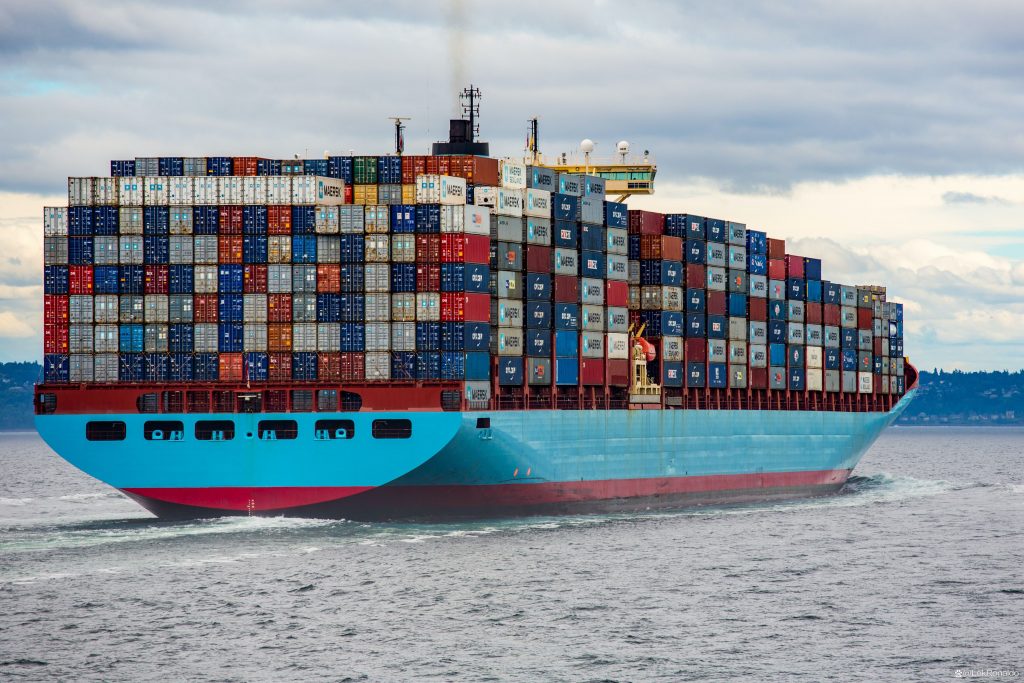
Sea freight is one of the most economical and reliable ways to transport goods from China to Malaysia. Whether you are importing machinery, furniture, building materials, or consumer products, sea shipping provides flexible options for businesses of all sizes. Understanding the difference between FCL and LCL shipping can help importers choose the right logistics solution and reduce transportation costs.
Why Choose Sea Freight from China to Malaysia?
Sea freight remains the preferred transportation method for many importers because it offers:
- Lower shipping costs compared with air freight
- High capacity for heavy and oversized cargo
- Flexible container options
- Stable transportation schedules
- Suitable solutions for small and large shipments
For businesses shipping regularly, sea freight provides excellent value and long-term cost savings.
Major Ports in China and Malaysia
Main Departure Ports in China
Goods are commonly shipped from:
- Shenzhen Port
- Guangzhou Port
- Ningbo Port
- Shanghai Port
- Qingdao Port
- Xiamen Port
- Tianjin Port
Main Arrival Ports in Malaysia
Cargo usually arrives at:
- Port Klang
- Penang Port
- Johor Port
- Kuantan Port
- Bintulu Port
Port Klang is the busiest port in Malaysia and handles a large percentage of imports from China.
What Is FCL Shipping?
FCL stands for Full Container Load.
Under FCL shipping, one customer uses an entire container exclusively.
Common container sizes include:
20GP Container
Suitable for:
- Heavy cargo
- Machinery
- Industrial products
40GP Container
Suitable for:
- Large-volume shipments
- Consumer goods
- Furniture
40HQ Container
Provides additional height and capacity for bulky cargo.
Advantages of FCL Shipping
FCL is recommended when cargo volume is sufficient to fill a container.
Benefits include:
Better Cargo Protection
Goods are loaded once and remain sealed until arrival.
Faster Transportation
No need to wait for cargo consolidation and deconsolidation.
Lower Cost Per Unit
Large shipments reduce transportation costs per cubic meter.
Reduced Risk of Damage
Since goods are not mixed with other customers’ cargo, the chance of damage is lower.
What Is LCL Shipping?
LCL means Less than Container Load.
Multiple customers share one container, and each pays according to occupied volume.
LCL is suitable for:
- Small businesses
- Sample orders
- Trial shipments
- Low-volume cargo
Advantages of LCL Shipping
Lower Initial Investment
Importers do not need to fill an entire container.
Flexible Shipping
Small quantities can be shipped more frequently.
Cost Saving
Customers only pay for the space used.
Suitable for New Businesses
LCL helps companies test products and markets before placing larger orders.
FCL vs LCL: Which Is Better?
| Item | FCL | LCL |
|---|---|---|
| Container Usage | Entire container | Shared container |
| Cost Efficiency | Better for large shipments | Better for small shipments |
| Transit Speed | Faster | Slightly slower |
| Cargo Security | Higher | Moderate |
| Suitable For | Bulk cargo | Small volume shipments |
The choice depends on cargo volume, urgency, and budget.
Typical Transit Time from China to Malaysia
Sea freight transit times vary according to departure ports and destinations.
Estimated shipping times:
- Shenzhen to Port Klang: 7-10 days
- Guangzhou to Penang: 8-11 days
- Shanghai to Port Klang: 8-12 days
- Ningbo to Johor Port: 9-13 days
Door-to-door delivery generally takes 10-18 days.
Products Suitable for Sea Freight
Sea transportation is widely used for:
- Furniture
- Electronics
- Household appliances
- Construction materials
- Machinery and equipment
- Textile products
- Auto parts
- Industrial supplies
- Agricultural equipment
- Consumer goods
Heavy and oversized cargo particularly benefit from sea shipping.
Door-to-Door Sea Freight Service
Modern freight forwarders provide complete door-to-door solutions.
Services include:
- Pickup from factories in China
- Warehouse storage and consolidation
- Export customs declaration
- Sea transportation
- Customs clearance in Malaysia
- Tax handling
- Final delivery to warehouses or stores
DDP services are especially popular because importers do not need to handle customs procedures themselves.
How to Reduce Sea Freight Costs
Consolidate Cargo
Combining shipments from multiple suppliers can reduce transportation expenses.
Use FCL for Large Orders
FCL generally offers better cost efficiency for larger cargo volumes.
Plan Shipments Early
Avoid peak seasons to secure lower freight rates.
Choose Professional Freight Forwarders
Experienced logistics companies optimize routes and reduce delays.
Use Proper Packaging
Good packaging minimizes damage and improves container utilization.
Why Businesses Prefer Sea Freight
Sea freight is suitable for:
- Importers and wholesalers
- E-commerce sellers
- Construction companies
- Machinery distributors
- Manufacturers
- Retail chains
Its combination of low cost and large capacity makes it one of the most efficient transportation methods between China and Malaysia.
Conclusion
Sea freight from China to Malaysia offers reliable and economical shipping solutions for businesses of all sizes. FCL shipping provides maximum efficiency and cargo protection for large orders, while LCL shipping gives small businesses a flexible and affordable option. By choosing the right shipping method and working with an experienced freight forwarder, importers can enjoy smooth transportation and lower logistics costs.
FAQ
What is the difference between FCL and LCL?
FCL uses an entire container for one customer, while LCL combines cargo from multiple customers into one container.
Which is cheaper, FCL or LCL?
LCL is cheaper for small shipments, while FCL offers lower costs per unit for large cargo volumes.
How long does sea freight from China to Malaysia take?
Port-to-port shipping usually takes 7-13 days, while door-to-door service takes approximately 10-18 days.
Is sea freight suitable for heavy cargo?
Yes. Sea freight is ideal for machinery, furniture, construction materials, and other heavy products.
Can freight forwarders provide customs clearance?
Yes. Most professional freight forwarders offer customs clearance and door-to-door DDP services to simplify the importing process.


