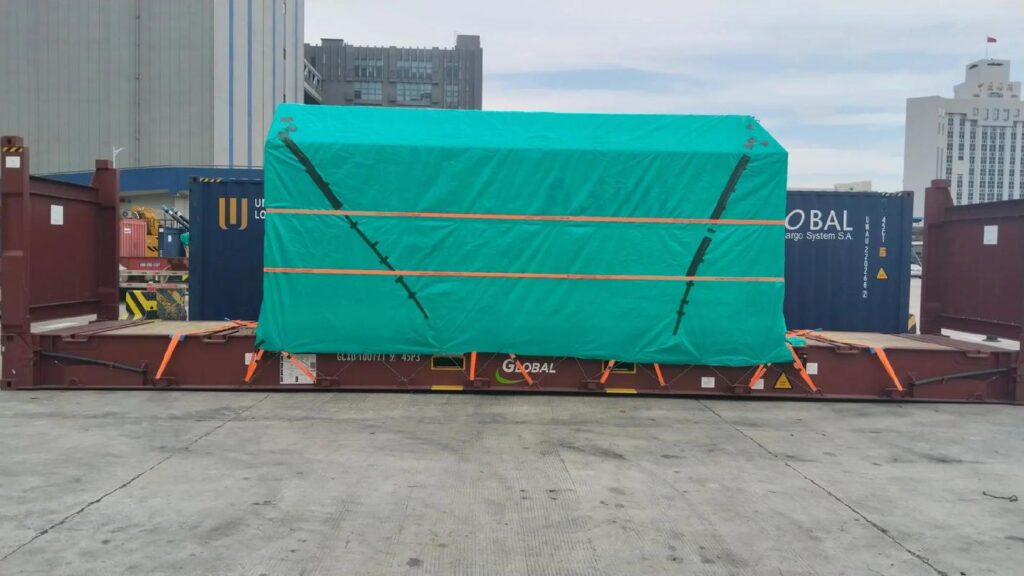
China is one of the largest suppliers of products to Qatar, providing everything from construction materials and industrial equipment to consumer goods and retail products. While importing from China can offer competitive pricing and a wide range of sourcing opportunities, understanding logistics and customs procedures is essential for avoiding delays, unexpected costs, and supply chain disruptions.
This complete guide explains the key steps involved in importing goods from China to Qatar and how businesses can streamline the process through effective logistics planning and customs compliance.
Why Import from China?
Businesses in Qatar import from China for several reasons:
- Competitive manufacturing costs
- Large product selection
- Advanced production capabilities
- OEM and ODM manufacturing options
- Flexible order quantities
- Reliable global supply chains
Common imported products include:
- Electronics
- Machinery
- Building materials
- Furniture
- Lighting products
- Packaging materials
- Household goods
- Automotive parts
Choosing the right logistics strategy is critical to maximizing the benefits of importing.
Step 1: Select a Reliable Supplier
Successful imports begin with selecting a trustworthy supplier.
Before placing an order, verify:
- Business registration
- Manufacturing capabilities
- Export experience
- Product certifications
- Production capacity
- Quality control procedures
Requesting samples before mass production can help reduce purchasing risks.
Step 2: Confirm Product Specifications
Clearly define:
- Product dimensions
- Materials
- Packaging requirements
- Labeling standards
- Quantity requirements
- Quality expectations
Detailed specifications help prevent misunderstandings and reduce the likelihood of receiving incorrect products.
Step 3: Choose the Right Shipping Method
The transportation method significantly affects shipping costs and delivery times.
Sea Freight
Sea freight is the most economical option for large-volume shipments.
Best for:
- Construction materials
- Furniture
- Machinery
- Industrial products
Advantages:
- Lower shipping costs
- High cargo capacity
- Suitable for heavy goods
Air Freight
Air freight is ideal for urgent shipments.
Best for:
- Electronics
- Medical products
- Samples
- High-value cargo
Advantages:
- Faster delivery
- Better inventory flexibility
- Reduced lead times
Many businesses use a combination of sea and air freight depending on shipment urgency.
Step 4: Prepare Export Documentation
Proper documentation is essential for smooth international transportation.
Common export documents include:
Commercial Invoice
Contains:
- Product details
- Quantity
- Unit price
- Total value
Packing List
Provides:
- Carton details
- Weight
- Dimensions
- Packaging information
Bill of Lading or Air Waybill
Acts as the transportation contract and shipment record.
Certificate of Origin
May be required for customs processing and trade compliance.
Accurate documentation helps prevent customs delays and penalties.
Step 5: Arrange Cargo Collection
Once production is completed, cargo can be collected from the supplier’s factory.
Freight forwarders often provide:
- Factory pickup
- Warehousing
- Cargo inspection
- Shipment consolidation
For businesses purchasing from multiple suppliers, consolidation services can reduce overall transportation costs.
Step 6: International Transportation
Cargo is transported from China to Qatar through:
Full Container Load (FCL)
Suitable for:
- Large shipments
- Full container usage
Advantages:
- Better cargo protection
- Faster handling
- Lower cost per unit
Less than Container Load (LCL)
Suitable for:
- Smaller shipments
- Shared container space
Advantages:
- Lower upfront shipping costs
- Flexible shipment sizes
Selecting the right freight option improves logistics efficiency.
Step 7: Customs Clearance in Qatar
Customs clearance is one of the most important stages of the import process.
Importers must ensure:
- Accurate product descriptions
- Correct HS codes
- Complete documentation
- Compliance with import regulations
Errors during customs clearance can lead to:
- Delays
- Storage charges
- Additional inspections
- Financial penalties
Experienced freight forwarders can help simplify customs procedures and reduce risks.
Step 8: Final Delivery
After customs clearance, cargo is delivered to:
- Warehouses
- Distribution centers
- Retail locations
- Construction sites
- Industrial facilities
Door-to-door delivery services simplify the final stage of transportation and reduce coordination challenges.
Understanding DDP Shipping
Many importers choose DDP (Delivered Duty Paid) shipping because it offers a complete logistics solution.
Under DDP terms, the freight forwarder handles:
- Export clearance
- International transportation
- Import customs procedures
- Duties and taxes
- Final delivery
Benefits include:
- Predictable costs
- Reduced administrative workload
- Simplified import management
DDP shipping is especially beneficial for first-time importers.
Common Challenges When Importing from China to Qatar
Businesses may encounter:
Supplier Communication Issues
Clear communication helps prevent production errors and shipping delays.
Documentation Mistakes
Incorrect paperwork can delay customs clearance.
Unexpected Shipping Costs
Detailed quotations help avoid hidden fees.
Inventory Planning Problems
Poor planning may result in urgent air freight expenses.
Working with experienced logistics providers can help minimize these challenges.
How Freight Forwarders Simplify the Import Process
Professional freight forwarders assist with:
- Cargo collection
- Warehousing
- Consolidation
- Freight booking
- Customs support
- Cargo tracking
- Final delivery
Their expertise helps businesses reduce risks and improve supply chain efficiency.
Tips for Successful Imports
To improve import performance:
- Verify suppliers carefully
- Plan shipments early
- Maintain accurate documentation
- Choose the correct shipping method
- Monitor inventory levels
- Work with experienced freight forwarders
These practices can reduce costs and improve delivery reliability.
Conclusion
Importing from China to Qatar offers excellent opportunities for businesses seeking competitive products and reliable supply sources. However, successful importing requires effective logistics management, accurate documentation, and proper customs compliance.
By understanding the complete import process and partnering with a professional freight forwarder, businesses can reduce shipping risks, avoid delays, and build a more efficient international supply chain.
FAQ
What is the best shipping method from China to Qatar?
Sea freight is usually best for large shipments, while air freight is ideal for urgent cargo.
What documents are required for importing from China to Qatar?
Typical documents include a commercial invoice, packing list, bill of lading or airway bill, and certificate of origin when required.
What is DDP shipping?
DDP shipping is a door-to-door service where the logistics provider handles transportation, customs clearance, duties, taxes, and delivery.
Can I import from multiple suppliers in China?
Yes. Freight forwarders can consolidate products from multiple factories into a single shipment.
How can I avoid customs clearance delays?
Ensure all documentation is accurate, product descriptions are correct, and customs requirements are met before shipment.


