China Freight Forwarding 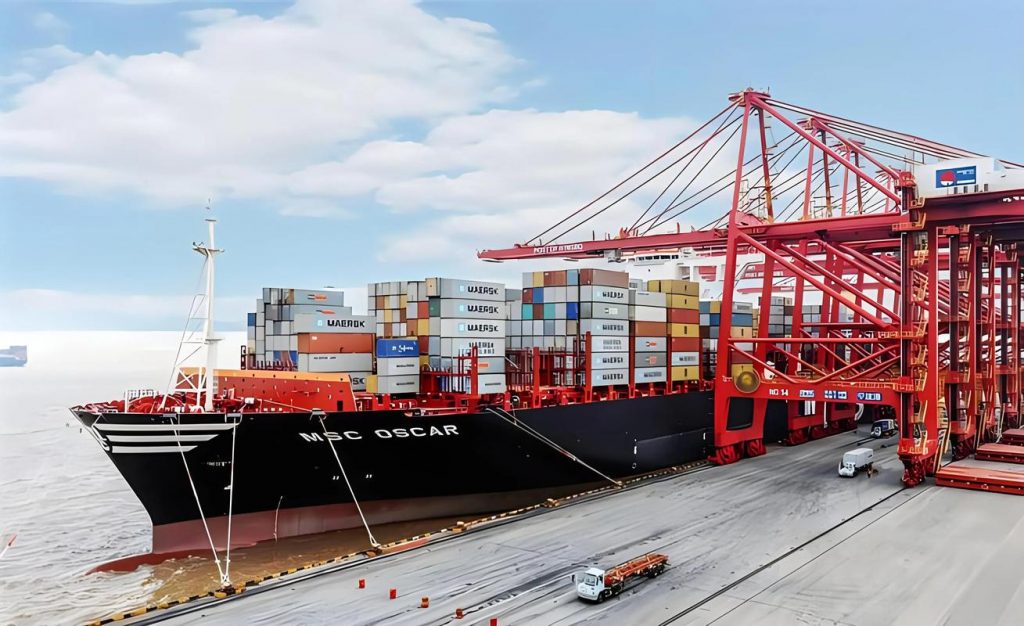
China Freight Forwarding 
China Freight Forwarding
Exporting chemical products from China requires strict compliance with international dangerous goods regulations. Chemicals are among the most sensitive cargo types in global logistics because they can be flammable, corrosive, toxic, or environmentally hazardous. As a result, sea freight transportation must follow the IMDG Code and other safety standards.
A professional China dangerous goods freight forwarder plays a key role in ensuring safe, legal, and efficient chemical product shipping worldwide. This article explains how chemical exports are handled by sea freight and what solutions are used to manage risks and compliance.
Why Chemical Products Are Classified as Dangerous Goods
Chemical products are considered dangerous goods because they may pose risks during storage, handling, and transportation. These risks include:
- Fire or explosion hazards
- Toxic gas release
- Corrosive damage to materials and containers
- Environmental contamination
- Chemical reactions during transit
Because of these risks, chemical shipments must follow strict international transport rules.
Common Chemical Products Shipped from China
China is a major global exporter of industrial chemicals. Common chemical products shipped via sea freight include:
- Industrial solvents and cleaning agents
- Paints, coatings, and resins
- Adhesives and glues
- Acids and alkalis
- Agricultural pesticides and fertilizers
- Petrochemical raw materials
Each category requires different handling and packaging standards depending on its hazard level.
Role of a China Dangerous Goods Freight Forwarder
A specialized freight forwarder ensures that chemical shipments comply with international safety regulations and carrier requirements. Their responsibilities include:
- Chemical classification and hazard identification
- MSDS verification and review
- Packaging coordination with UN-certified materials
- Booking with approved shipping lines
- Export customs declaration handling
- Port and container coordination
Without professional support, chemical exports may face delays or rejection.
Sea Freight Solutions for Chemical Products
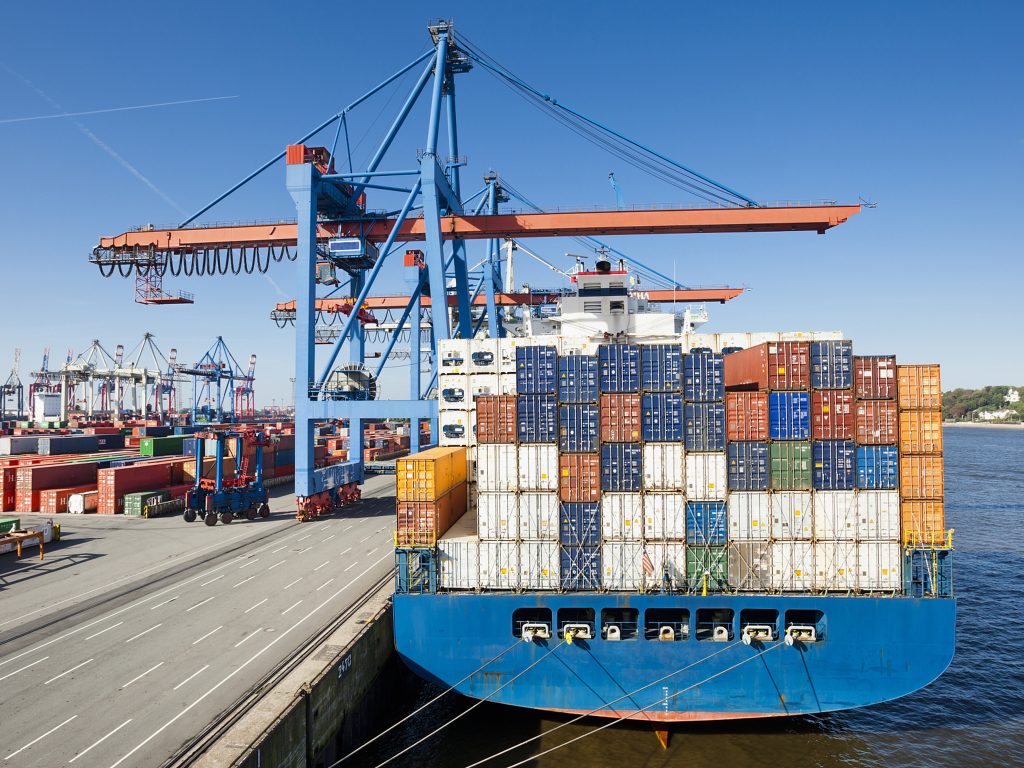
Sea freight is the most commonly used method for chemical transportation due to its cost efficiency and large capacity. However, it requires careful planning and compliance.
1. Full Container Load (FCL) Shipping
FCL is ideal for large chemical shipments. The entire container is dedicated to one exporter, reducing contamination risk and improving safety.
2. Less than Container Load (LCL)
For smaller chemical shipments, LCL allows multiple exporters to share container space. However, strict segregation rules apply to prevent chemical reactions.
3. Temperature-Controlled Containers
Some chemical products require controlled environments to maintain stability during transit.
Key Documentation for Chemical Sea Freight
Proper documentation is essential for customs clearance and carrier acceptance. Required documents include:
- Material Safety Data Sheet (MSDS)
- Dangerous Goods Declaration (DGD)
- Commercial invoice
- Packing list
- UN packaging certificate (if applicable)
- Export declaration form
All documents must be consistent and accurately describe the chemical product.
Packaging Requirements for Chemical Shipments
Chemical products must be packed according to UN and IMDG standards. Requirements include:
- Leak-proof and corrosion-resistant containers
- UN-certified drums, tanks, or boxes
- Secondary containment for liquid chemicals
- Proper hazard labels and markings
- Secure sealing to prevent spillage
Improper packaging can lead to shipment rejection or safety incidents.
Customs Clearance Process for Chemical Exports
Export customs clearance in China involves several steps:
Step 1: Product Classification
Determine UN number and hazard class.
Step 2: Document Preparation
Prepare MSDS, DGD, and commercial documents.
Step 3: Customs Declaration
Submit electronic export declaration to Chinese customs.
Step 4: Inspection (if required)
Customs may inspect packaging and documentation.
Step 5: Approval and Release
Once approved, cargo is allowed to enter port operations.
Key Risks in Chemical Sea Freight
Chemical shipping involves several risks that must be managed carefully:
- Incorrect classification of chemical substances
- Incompatible chemical mixing during LCL shipments
- Packaging leakage or failure
- Carrier rejection due to DG restrictions
- Customs delays due to incomplete documentation
Proper planning helps minimize these risks.
Best Practices for Safe Chemical Export Shipping
To ensure smooth transportation, exporters should:
- Work with experienced dangerous goods freight forwarders
- Provide accurate and updated MSDS documents
- Use only UN-certified packaging materials
- Confirm carrier acceptance before booking
- Double-check all shipping documentation
These practices significantly improve shipping success rates.
Benefits of Professional Freight Forwarding Services
A qualified China dangerous goods freight forwarder provides:
- Regulatory compliance assurance
- Reduced risk of shipment delays
- Safe handling of hazardous chemicals
- Optimized shipping routes and costs
- End-to-end logistics coordination
This is especially important for high-risk chemical cargo.
Conclusion
Chemical product sea freight transportation from China requires strict adherence to international dangerous goods regulations. From classification and packaging to documentation and customs clearance, every step must be handled with precision.
Working with an experienced China dangerous goods freight forwarder ensures safe, compliant, and efficient chemical shipping solutions, helping exporters reduce risk and improve global logistics performance.


