China Freight Forwarding 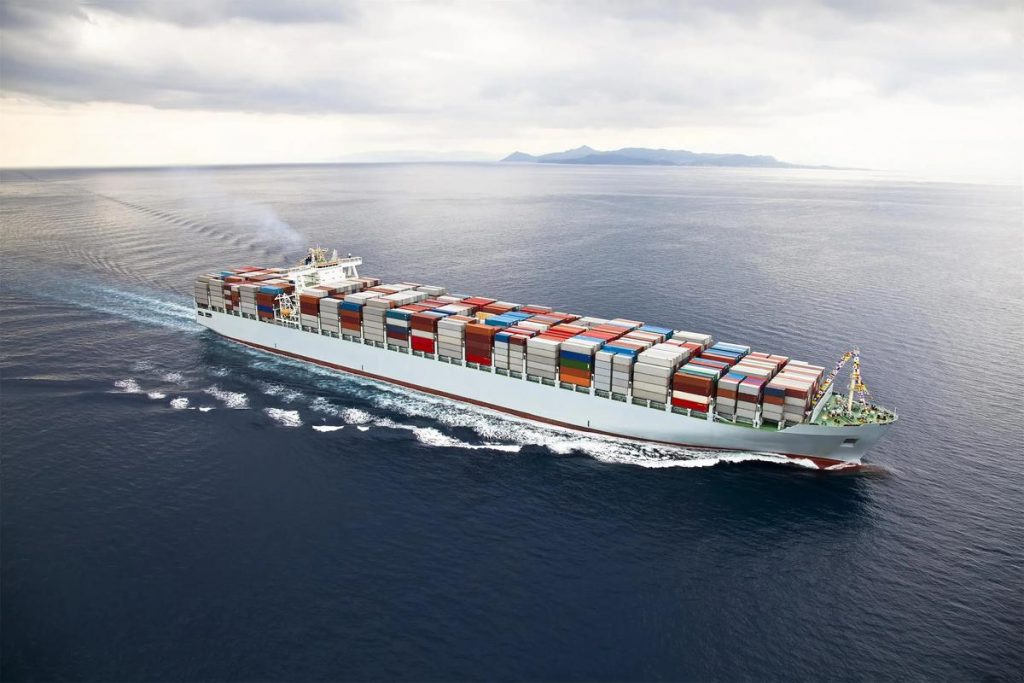
China Freight Forwarding 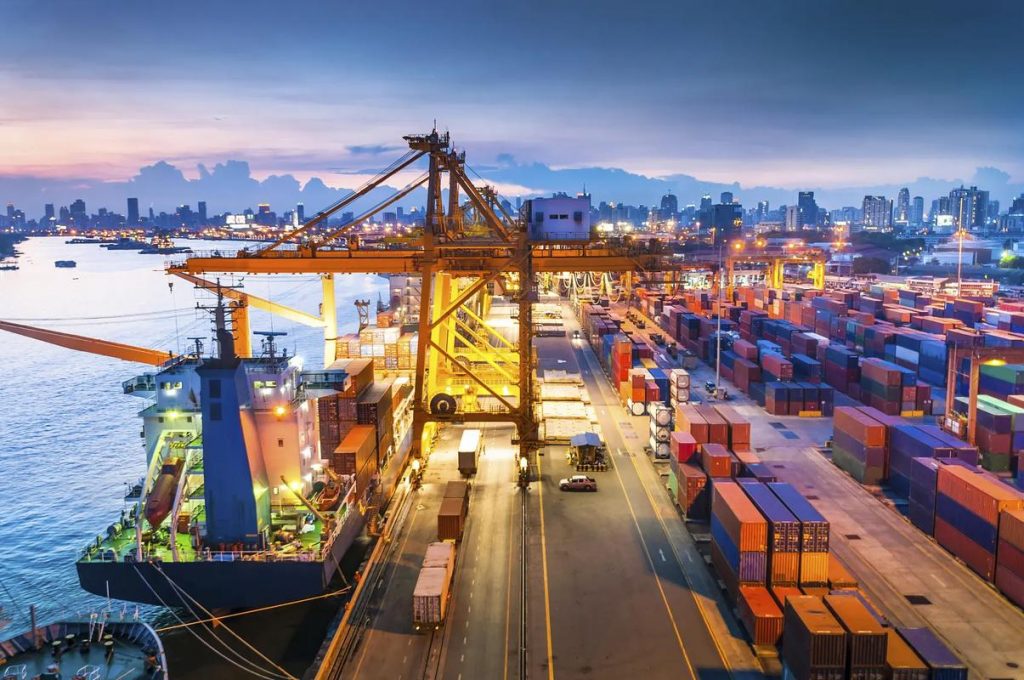
China Freight Forwarding
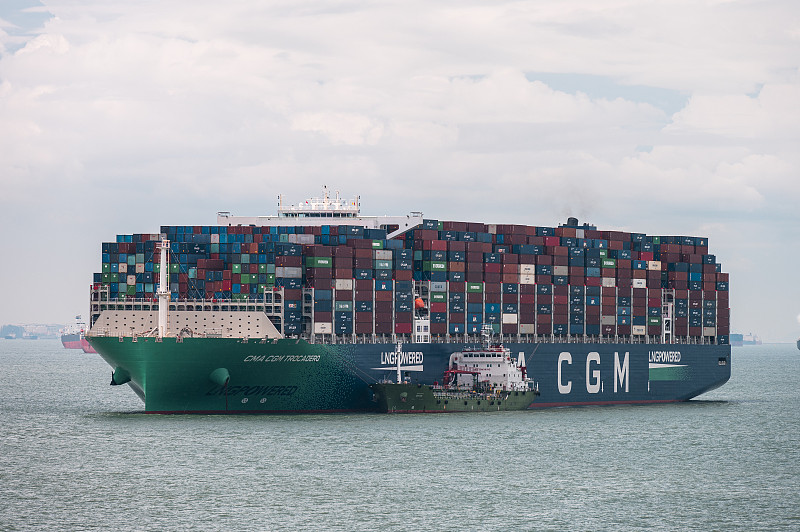
Sea freight remains the backbone of global trade, especially for businesses importing large volumes of goods from China. Whether you are shipping full containers or smaller consolidated cargo, choosing the right China sea freight forwarder for FCL and LCL shipping solutions is essential for cost control, efficiency, and reliability.
In this guide, we’ll break down everything you need to know about FCL (Full Container Load) and LCL (Less than Container Load) shipping, and how to choose the best logistics solution for your business.
1. What Is Sea Freight Forwarding?
A sea freight forwarder in China manages the transportation of goods by ocean from Chinese ports to international destinations. Their services typically include:
- Cargo pickup from factory
- Export customs clearance
- Container booking with shipping lines
- Port handling and documentation
- Import customs coordination
- Final delivery (optional door-to-door)
Sea freight is widely used due to its low cost and high capacity, making it ideal for bulk shipments.
2. What Is FCL (Full Container Load)?
FCL means you book an entire container exclusively for your cargo.
Advantages of FCL:
- Lower cost per unit for large shipments
- Faster transit (no consolidation delays)
- Reduced risk of damage
- More secure handling
Container types:
- 20GP (20-foot container)
- 40GP (40-foot container)
- 40HQ (high cube container)
Best for:
- Large-volume shipments
- Heavy cargo
- Stable supply chains
3. What Is LCL (Less than Container Load)?
LCL means your cargo shares container space with other shipments.
Advantages of LCL:
- Lower upfront cost for small shipments
- Flexible shipping quantity
- Ideal for startups and small businesses
Disadvantages:
- Longer transit time due to consolidation
- Higher risk of damage
- Slightly higher cost per unit
Best for:
- Small or medium shipments
- Trial orders
- Businesses with limited inventory
4. FCL vs LCL: Which One Should You Choose?
| Factor | FCL | LCL |
|---|---|---|
| Cost per Unit | Lower (large volume) | Higher |
| Total Cost | Higher upfront | Lower upfront |
| Transit Time | Faster | Slower |
| Risk Level | Lower | Higher |
| Best For | Bulk cargo | Small shipments |
👉 Rule of thumb:
- Choose FCL when your cargo fills at least 70% of a container
- Choose LCL when volume is small and flexible
5. Sea Freight Process from China
A typical sea freight workflow includes:
- Supplier prepares goods
- Freight forwarder arranges pickup
- Export customs clearance in China
- Container loading (FCL or LCL consolidation)
- Ocean transportation
- Arrival at destination port
- Import customs clearance
- Final delivery (if door-to-door)
A professional forwarder ensures each step is handled efficiently.
6. Cost Factors in Sea Freight
Sea freight costs depend on:
- Container size (FCL) or CBM (LCL)
- Shipping route and destination
- Port charges and handling fees
- Fuel surcharges
- Seasonal demand
Cost-saving tips:
- Use FCL for large shipments
- Consolidate cargo for LCL
- Book shipments in advance
- Avoid peak seasons
7. Door-to-Door Sea Freight (DDP/DDU)
Many importers prefer door-to-door shipping for convenience.
DDP (Delivered Duty Paid):
- Includes duties and taxes
- No customs handling required
- Clear total cost
DDU (Delivered Duty Unpaid):
- Buyer pays duties and taxes
- Lower upfront cost
👉 DDP is recommended for beginners and eCommerce sellers.
8. Common Challenges in Sea Freight
Port Congestion
✔ Solution: Choose stable shipping routes
Customs Delays
✔ Solution: Work with experienced forwarders
Cargo Damage
✔ Solution: Use proper packaging and insurance
Hidden Fees
✔ Solution: Request all-inclusive quotes
9. Who Should Use FCL & LCL Shipping?
Sea freight solutions are ideal for:
- Importers and wholesalers
- eCommerce businesses
- Manufacturing companies
- Construction and industrial buyers
- SMEs scaling international trade
10. How to Choose the Best China Sea Freight Forwarder
Before selecting a logistics partner, consider:
- Experience in FCL and LCL shipping
- Strong relationships with shipping lines
- Transparent pricing structure
- Door-to-door service capability
- Fast and clear communication
A reliable freight forwarder ensures your cargo arrives safely and on time.
Conclusion
Choosing the right China sea freight forwarder for FCL and LCL shipping solutions can significantly impact your logistics efficiency and overall business profitability.
By understanding the differences between FCL and LCL, optimizing your shipping strategy, and working with experienced professionals, you can:
- Reduce shipping costs
- Improve delivery timelines
- Minimize risks
- Scale your global business with confidence
Sea freight remains the most cost-effective solution for international shipping—and with the right partner, it becomes a powerful tool for growth.


