China Freight Forwarding 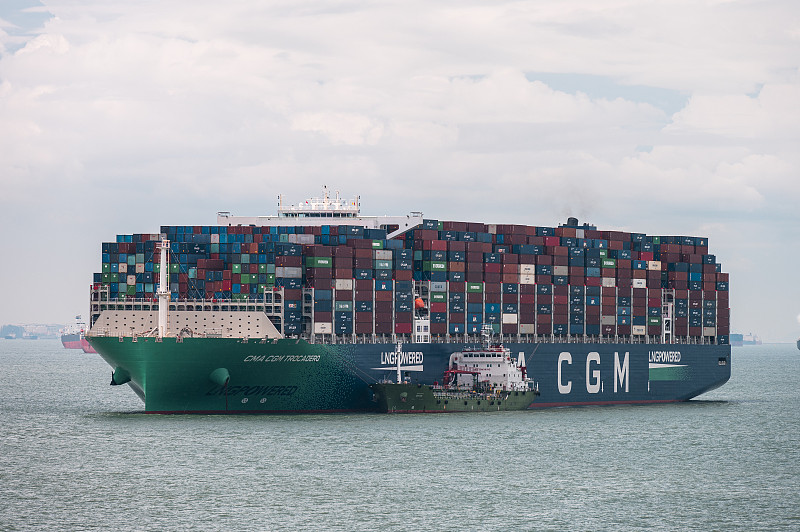
China Freight Forwarding 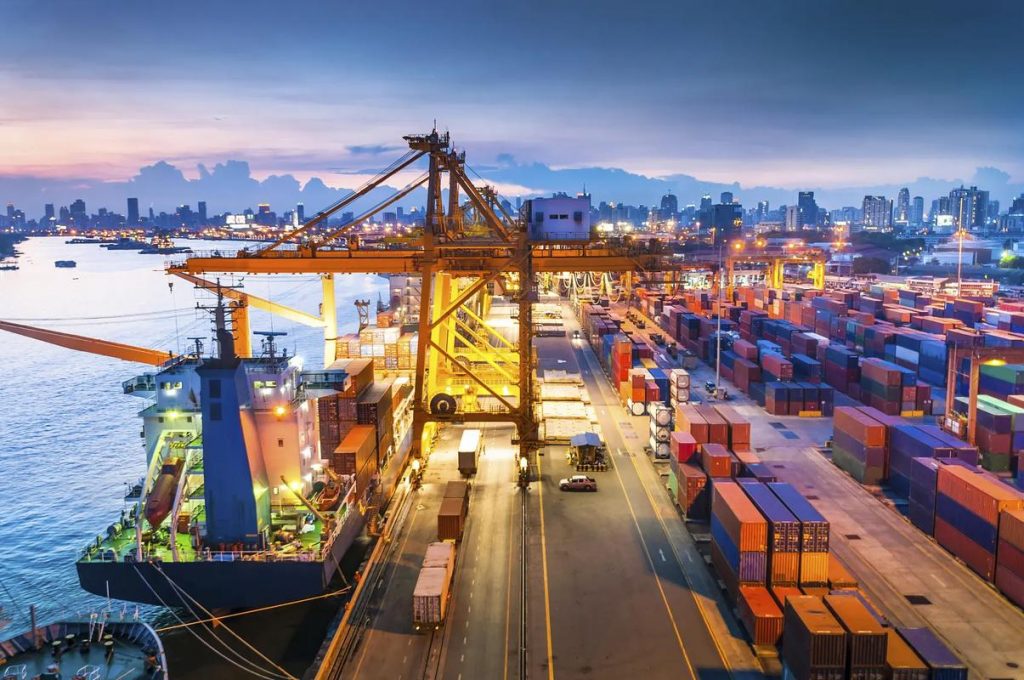
China Freight Forwarding
In today’s globalized economy, businesses rely heavily on efficient logistics to move goods across borders. Choosing the right freight forwarding company can have a significant impact on cost, delivery time, and overall supply chain efficiency. With numerous options available in China and worldwide, making an informed choice is critical for businesses looking to import or export goods smoothly and reliably.
This article explores what makes a freight forwarding company stand out, key services offered, advantages of professional forwarders, and practical tips for selecting the best partner.
What Is a Freight Forwarding Company?
A freight forwarding company is a logistics service provider that organizes the shipment of goods on behalf of businesses. Unlike carriers that operate ships, planes, or trucks, freight forwarders coordinate the movement of cargo, handle documentation, manage customs clearance, and provide other value-added services.
The primary role of a freight forwarder is to act as an intermediary between exporters, importers, and transportation carriers, ensuring that goods reach their destination efficiently, safely, and in compliance with international regulations.
Key Services Offered by Freight Forwarding Companies
1. Sea Freight
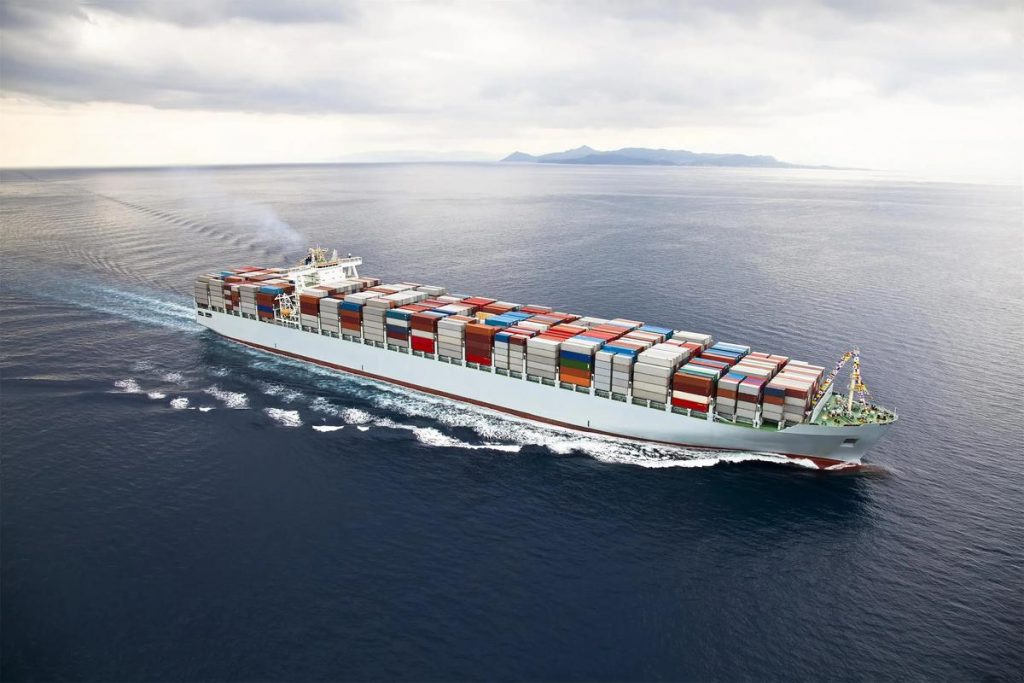
Sea freight is the most common method for transporting large volumes of goods internationally. Freight forwarders handle container booking, port coordination, and cargo consolidation for:
- Full Container Load (FCL): Suitable for large shipments requiring a dedicated container.
- Less than Container Load (LCL): Allows multiple customers to share a container, reducing costs for smaller shipments.
2. Air Freight
Air freight is ideal for time-sensitive or high-value goods. Services include:
- Standard air freight for general shipments
- Express air freight for urgent deliveries
- Charter flights for oversized or special cargo
3. Land and Multimodal Transportation
Forwarders coordinate trucking, rail, or multimodal shipping to transport goods from factories to ports or from ports to final destinations, ensuring seamless integration across transportation modes.
4. Customs Clearance
Freight forwarders act as customs brokers, preparing necessary documentation such as commercial invoices, packing lists, bills of lading, and certificates. They calculate duties and taxes and ensure compliance with regulations to avoid delays or penalties.
5. Cargo Insurance
International shipping carries risks such as loss, theft, or damage. Forwarders provide insurance coverage to protect the value of goods during transit.
6. Warehousing and Distribution
Some freight forwarders offer warehousing services to store goods temporarily or distribute them closer to end customers, improving supply chain efficiency.
7. Supply Chain Consulting
Freight forwarders advise businesses on route optimization, cost reduction, and inventory management, helping companies streamline operations and prepare for seasonal demand.
Advantages of Using a Professional Freight Forwarder
1. Cost Efficiency
Experienced forwarders have established relationships with carriers, which allows them to negotiate better rates. They can recommend the most cost-effective shipping routes and consolidate shipments to reduce expenses.
2. Time Savings
Managing logistics independently can be complex and time-consuming. Freight forwarders handle booking, documentation, customs clearance, and coordination, freeing up businesses to focus on core activities.
3. Expertise and Knowledge
Freight forwarders stay up-to-date with international shipping regulations, customs procedures, and market trends. Their expertise ensures compliance and reduces the likelihood of delays or fines.
4. Risk Management
Professional forwarders mitigate risks by providing cargo insurance, proactive problem-solving, and close monitoring of shipments throughout the supply chain.
5. Global Reach
Top freight forwarding companies maintain networks with carriers, agents, and partners worldwide, ensuring that shipments can be sent efficiently to almost any country.
6. Flexibility and Scalability
Whether shipping a single parcel or multiple containers, freight forwarders can scale their services according to business needs, supporting small businesses and large corporations alike.
Factors to Consider When Choosing the Best Freight Forwarding Company
When selecting a freight forwarder, consider the following key factors:
1. Experience and Reputation
Look for a company with a proven track record in handling shipments similar to your products and target markets. Positive customer feedback and industry recognition are good indicators of reliability.
2. Range of Services
Ensure the forwarder offers the services you need, such as sea, air, and land freight, customs clearance, warehousing, and supply chain consulting.
3. Customer Support and Communication
Effective communication is critical for resolving issues and providing real-time shipment updates. Choose a forwarder that is responsive and transparent.
4. Regulatory Knowledge
Check that the forwarder understands import/export regulations in your origin and destination countries, including documentation, tariffs, and compliance requirements.
5. Pricing Transparency
Reliable freight forwarders provide clear, upfront pricing without hidden fees, helping you budget accurately for shipping costs.
6. Technology and Tracking
Top forwarders offer online tracking systems, allowing businesses to monitor shipments and plan accordingly.
7. Flexibility for Special Cargo
If your business ships oversized, hazardous, or temperature-sensitive goods, confirm that the forwarder has the capability to handle specialized shipments safely.
Frequently Asked Questions (FAQ)
Q1: How long does international shipping take?
Transit times vary by shipping mode. Sea freight usually takes 15–45 days, air freight 1–7 days, and land transport depends on distance and route.
Q2: Can a freight forwarder handle multi-country shipments?
Yes. Experienced forwarders coordinate shipments to multiple destinations, managing customs and consolidating cargo as needed.
Q3: Is cargo insurance necessary?
While not mandatory, insurance is highly recommended to protect against loss, theft, or damage during transit.
Q4: How do I track my shipment?
Professional forwarders provide online tracking, email updates, or mobile notifications to monitor shipments in real time.
Q5: What documents are required for international shipping?
Common documents include commercial invoice, packing list, bill of lading, certificate of origin, and any destination-specific certificates required for customs.
Conclusion: Choosing the Right Freight Forwarding Partner
Selecting the right freight forwarding company is a critical decision for businesses engaged in global trade. The ideal forwarder offers a combination of experience, service variety, global reach, regulatory knowledge, and responsive customer support.
A professional freight forwarder not only ensures the safe and timely delivery of goods but also provides strategic advice on optimizing supply chains, reducing costs, and managing risks. By partnering with the right logistics company, businesses can focus on growth and expansion while leaving the complexities of international shipping to experts.
Contact us today for a free consultation and quotation to find a freight forwarding partner that meets your business needs and helps you succeed in global trade.
Suggested SEO & Marketing Tags
Best Freight Forwarding Company, China Freight Forwarder, International Shipping, Air Freight, Sea Freight, Door-to-Door Delivery, Customs Clearance, Cargo Insurance, Supply Chain Management, Global Logistics Solutions, Reliable Freight Forwarder, Export Import Services, Cost-Effective Shipping, Freight Forwarding Services, International Logistics Partner


