Global trade is growing at an unprecedented pace, and businesses worldwide increasingly rely on reliable logistics partners to move goods efficiently. As a freight forwarder based in China, we specialize in managing the complex processes of international shipping, ensuring that goods are delivered on time, safely, and cost-effectively. Understanding the intricacies of freight forwarding can make the difference between smooth operations and costly delays.
Understanding Freight Forwarding
Freight forwarding involves the planning, coordination, and execution of transporting goods from one location to another, often across international borders. It is more than simply booking a shipment; it encompasses documentation, customs clearance, cargo insurance, and supply chain optimization. A professional freight forwarder acts as an intermediary between exporters, importers, carriers, and regulatory authorities, simplifying the shipping process for businesses.
Our role is to ensure that shipments move seamlessly through the logistics chain, whether by sea, air, rail, or road. By leveraging experience, industry connections, and technological tools, we reduce the risks associated with international shipping.
Key Modes of Transport
Sea Freight:
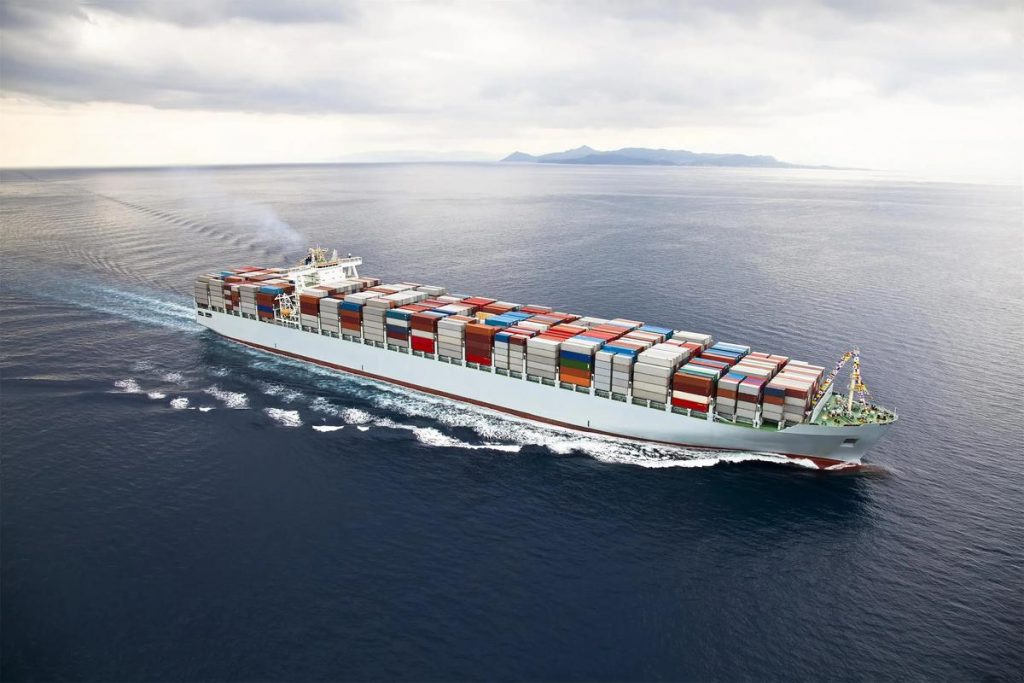
Sea freight is the backbone of international trade, particularly for bulk goods. Full Container Load (FCL) allows for exclusive use of a container, ideal for large shipments, while Less than Container Load (LCL) enables smaller consignments to share space, lowering costs. Sea shipping is economical but requires careful planning due to longer transit times.
Air Freight:
Air freight offers speed and reliability, making it suitable for high-value or time-sensitive products. Although costs are higher than sea freight, air transport provides rapid delivery, essential for industries like electronics, fashion, and perishables. Options include direct flights, consolidated shipments, and express air services.
Rail and Road Transport:
Rail transport between China and other regions, such as Europe, has become increasingly popular due to its balance of cost and speed. Road transport complements this by providing flexible door-to-door solutions, especially for domestic distribution or regional shipments.
Documentation and Compliance
International shipping requires accurate documentation and adherence to customs regulations. Freight forwarders manage essential paperwork, including bills of lading, commercial invoices, packing lists, and certificates of origin. Proper documentation ensures smooth customs clearance, reduces the risk of delays, and avoids potential penalties.
Compliance with trade regulations is critical. Freight forwarders stay updated on import/export restrictions, tariffs, and international trade agreements, ensuring that shipments meet legal requirements in both the origin and destination countries.
Cargo Safety and Insurance
Shipping goods internationally involves various risks, including damage, theft, or delays. Freight forwarders provide cargo insurance to protect the value of goods during transit. Risk mitigation also includes proper packaging, labeling, and handling instructions, tailored to the specific nature of the cargo.
Effective risk management protects businesses from financial losses and helps maintain trust with clients and partners.
Leveraging Technology in Freight Forwarding
Modern freight forwarding increasingly relies on technology. Online tracking systems provide real-time visibility of shipments, allowing businesses to plan operations accurately. Logistics software enables route optimization, inventory management, and predictive analysis, improving efficiency and reducing costs.
Digital documentation, including electronic bills of lading and automated customs filings, reduces errors and accelerates processing. Technology integration ensures transparency, accountability, and reliability throughout the shipping process.
Choosing the Right Freight Forwarding Partner
Selecting an experienced freight forwarder in China is essential for global trade success. Key factors include:
- Expertise: Knowledge of shipping routes, customs regulations, and supply chain management.
- Global Network: Strong partnerships with carriers, port operators, and inland transportation providers.
- Communication: Prompt updates and proactive solutions for potential challenges.
- Customized Solutions: Tailored logistics plans based on shipment size, product type, and urgency.
A reliable freight forwarding partner simplifies international shipping, reduces risks, and helps businesses expand confidently into new markets.
Conclusion
Efficient freight forwarding from China is critical for businesses engaged in international trade. By combining expertise, technology, and strategic planning, freight forwarders ensure that goods are transported safely, on time, and at optimal cost. Choosing a professional logistics partner provides not only operational support but also strategic guidance for global trade.
As international commerce continues to grow, dependable freight forwarding services are no longer optional—they are a fundamental component of supply chain success. Working with a skilled partner in China ensures smooth operations, risk management, and competitive advantage in the global marketplace.


