Jiangxi/Shenzhen to Belgium International Freight Forwarder: Direct VIP Space, No Peak Season Backlogs or Rolled Cargo
Introduction
For e-commerce sellers and B2B traders, the peak shipping season—typically from August to December—is a double-edged sword. While sales volumes surge, so do logistics nightmares. The two most dreaded phrases in international shipping are “rolled cargo” (being bumped to the next sailing) and “warehouse backlog” (cargo stuck at the origin warehouse). For businesses sourcing from China’s manufacturing hubs, choosing the right logistics partner is the difference between stocking out and selling out. This article explores the strategic advantages of shipping from Jiangxi and Shenzhen to Belgium, and explains why partnering with a first-hand wholesaler (Tier 1 agent) with direct carrier contracts is the ultimate solution for guaranteed space and zero delays.
Why Jiangxi and Shenzhen? The Manufacturing & Logistics Powerhouses
Understanding the geography of your supply chain is critical. Both Shenzhen and Jiangxi play unique, complementary roles in China-Europe trade.
- Shenzhen: The Global Export Megahub. As one of the busiest port clusters in the world, Shenzhen (via Yantian and Shekou terminals) offers unparalleled direct sailings to Europe. Shenzhen Airport is also a major hub for dedicated cargo charters to Liège (LGG) and Brussels (BRU). If your suppliers are in the Greater Bay Area, Shenzhen is the fastest and most cost-effective export gateway.
- Jiangxi: The Rising Inland Logistics Hub. Provinces like Jiangxi (specifically cities like Nanchang and Ganzhou) have become major manufacturing bases due to lower operational costs. More importantly, Ganzhou International Port is a critical departure terminal for the China Railway Express (CRE). For sellers with factories in inland China, shipping from Jiangxi drastically reduces domestic trucking costs and provides direct block-train access to Europe.
The Power of a First-Hand Wholesaler (Tier 1 Agent)
In the freight forwarding industry, there are “shippers,” “forwarders,” and “wholesalers” (often called Tier 1 agents or NVOCCs). A first-hand wholesaler is a logistics provider that signs annual, high-volume contracts directly with major ocean carriers (like Maersk, MSC, CMA CGM) or airlines. Why does this matter to you?
- Direct Space Allocation: Unlike small forwarders who buy space from other forwarders (creating a long chain of middlemen), a Tier 1 agent has a guaranteed allocation of containers or pallets (e.g., 100 TEUs per week on a specific vessel).
- Priority Protection: When capacity is tight, carriers prioritize their direct contract holders (BCOs and Tier 1 NVOCCs) over smaller agents.
- Transparent Pricing: By eliminating middlemen, Tier 1 agents offer more stable and competitive rates, especially during peak season when spot market prices skyrocket.
No Rolled Cargo & No Warehouse Backlogs: The Peak Season Guarantee
The promise of “no peak season backlogs or rolled cargo” is not just a marketing slogan—it is a structural advantage of working with a well-capitalized, first-hand agent.
- Eliminating “Rolled Cargo” (甩柜): This occurs when a carrier overbooks a vessel. If you book through a small agent, your container is often the first to be rolled to the next week. A Tier 1 agent with a “Premium Guaranteed” contract ensures your cargo is loaded onto the vessel as booked. They have the leverage to enforce the contract with the shipping line.
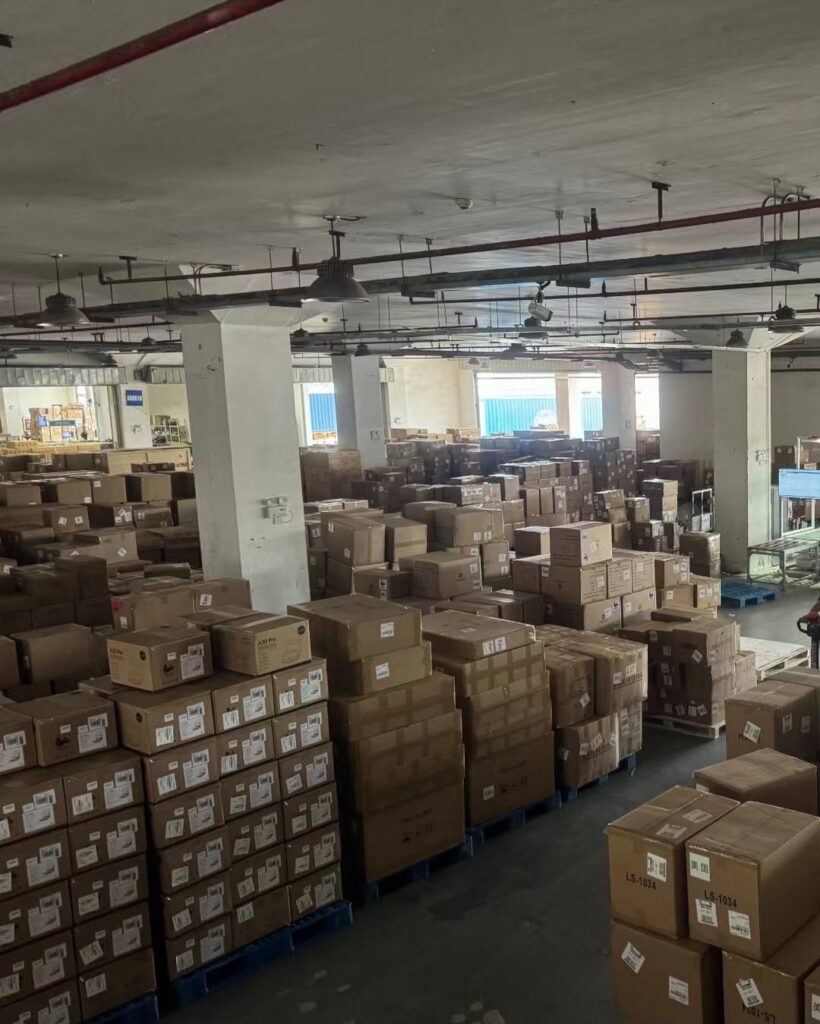
- Eliminating “Warehouse Backlogs” (排仓): During peak season, origin warehouses in Shenzhen and Jiangxi can become overwhelmed, causing delays in cut-off times. First-hand agents operate or partner with high-capacity, dedicated consolidation warehouses. They have the infrastructure to process your goods rapidly, ensuring your cargo meets the tightest sailing or flight cut-offs.
Shipping Routes to Belgium
A first-hand agent provides multi-modal solutions from both regions:
- Sea Freight (Shenzhen to Antwerp): 28-35 days. Direct FCL and LCL services with priority terminal handling.
- Air Freight (Shenzhen to Liège/Brussels): 3-8 days. Direct charter and consolidated flights with guaranteed pallet space.
- Rail Freight (Jiangxi to Belgium via CRE): 18-28 days. Block trains departing from Ganzhou or Nanchang, offering a stable alternative to sea freight without the air freight price tag.
Conclusion
When shipping from China to Belgium, your choice of freight forwarder directly impacts your bottom line. By leveraging the manufacturing strengths of Jiangxi and Shenzhen, and partnering with a first-hand wholesaler offering DDP double clearance, you secure VIP space, eliminate the risk of rolled cargo, and ensure your supply chain remains uninterrupted even during the busiest peak seasons.
Frequently Asked Questions (FAQ)
Q1: What exactly is a “first-hand wholesaler” (一手庄家) in freight forwarding?A: A first-hand wholesaler, also known as a Tier 1 NVOCC (Non-Vessel Operating Common Carrier), is a logistics company that signs direct contracts with major shipping lines (like COSCO or MSC) or airlines. They buy large volumes of space (slots or containers) at negotiated rates and sell them to smaller forwarders or directly to large shippers. This allows them to guarantee space and offer more stable pricing. Q2: How can you guarantee “no rolled cargo” during peak season?A: Guaranteed space is backed by contractual agreements between the forwarder and the carrier. First-hand agents often purchase “Premium” or “Guaranteed” slots. If a carrier attempts to roll a container booked under a premium contract, the agent has direct escalation channels and contractual penalties to enforce loading. However, it is important to note that extreme force majeure events (like canal blockages or major port strikes) are exceptions. Q3: Is it cheaper to ship from Jiangxi or Shenzhen?A: It depends on where your suppliers are located. If your factory is in Jiangxi, shipping from the Ganzhou railway port saves significant domestic trucking costs compared to hauling goods all the way to Shenzhen. If your supplier is in the Greater Bay Area, Shenzhen is the logical and most cost-effective choice due to proximity to the ports and airports. Q4: What are the typical transit times from these regions to Belgium?A:
- Shenzhen Sea Freight: 28-35 days to Antwerp.
- Shenzhen Air Freight: 3-8 days to Liège/Brussels.
- Jiangxi Rail Freight: 18-28 days to Belgium (via the China Railway Express). Total door-to-door times will add an additional 5-7 days for customs and final delivery.
Q5: Do you provide DDP (Delivered Duty Paid) service with guaranteed space?A: Yes. The best first-hand agents combine their space guarantees with DDP double clearance. This means you get the dual benefit of priority shipping (no rolled cargo) and a hassle-free customs experience in Belgium, where the forwarder handles all duties and taxes. Q6: Can you pick up goods from multiple suppliers in both Jiangxi and Shenzhen?A: Absolutely. A professional agent will offer a consolidation service. They can collect goods from various factories across South China and Inland China, bring them to a centralized warehouse for inspection, labeling, and palletizing before the main international departure. Q7: What happens if my cargo misses the cut-off time due to supplier delays?A: While a first-hand agent guarantees space, the space is tied to a specific vessel or flight. If your supplier is late, the agent will typically work to shift your booking to the next available sailing within their allocated block space, minimizing the delay compared to small agents who might have to rebook at much higher spot rates.


