China is one of Vietnam’s largest trading partners, supplying a wide range of products including machinery, electronics, textiles, furniture, packaging materials, construction products, and consumer goods.
For businesses importing from China, transportation is a critical part of the supply chain. Choosing the right shipping method, preparing correct documents, understanding customs procedures, and controlling logistics costs can directly affect business profits.
Many importers face questions such as:
- What is the cheapest way to ship goods from China to Vietnam?
- How long does shipping from China to Vietnam take?
- Should I choose air freight, sea freight, or truck transportation?
- How can I avoid customs delays?
- How can I find a reliable China to Vietnam freight forwarder?
This complete guide explains the entire process of shipping goods from China to Vietnam and helps businesses choose the best logistics solution.
1. Main Shipping Methods from China to Vietnam
There are three major transportation methods for China-Vietnam shipments:
- Sea freight
- Air freight
- Land transportation
The best option depends on:
- Cargo volume
- Product type
- Delivery time requirements
- Shipping budget
2. Sea Freight from China to Vietnam
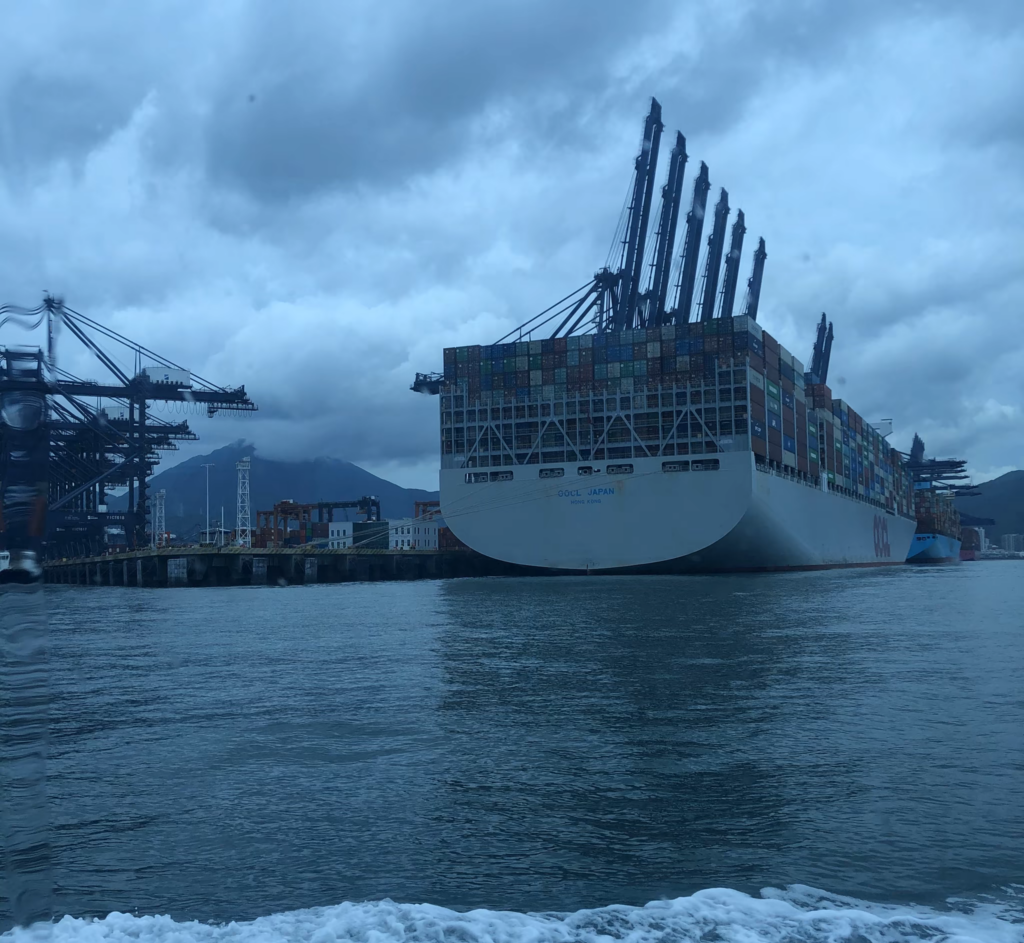
Sea freight is the most common method for commercial shipments because it provides affordable transportation for large quantities.
Full Container Load (FCL)
FCL means one customer uses an entire container.
Common container sizes:
- 20GP container
- 40GP container
- 40HQ container
Suitable for:
- Large orders
- Factory shipments
- Heavy equipment
- Furniture
- Building materials
Advantages:
- Lower cost per unit
- More secure cargo handling
- Suitable for long-term import businesses
Less Than Container Load (LCL)
LCL allows multiple customers to share one container.
Suitable for:
- Small orders
- Trial shipments
- New importers
Benefits:
- No need to wait until filling a whole container
- Lower initial shipping cost
A freight forwarder manages cargo consolidation, documentation, and delivery.
3. Air Freight from China to Vietnam
Air freight is the fastest shipping method between China and Vietnam.
It is commonly used for:
- Samples
- Urgent orders
- Electronic products
- High-value goods
- Replacement parts
Advantages:
- Fast transit time
- Reliable schedules
- Lower risk of transportation delays
However, air freight costs are higher than sea freight, so it is usually recommended for smaller and higher-value shipments.
4. Truck Shipping from China to Vietnam
Due to the short distance between China and Vietnam, road transportation is very popular.
Especially for shipments from:
- Guangdong
- Guangxi
- Shenzhen
- Guangzhou
Common routes include:
China border → Vietnam warehouse/factory
Advantages:
- Flexible delivery
- Faster than sea shipping
- Suitable for frequent shipments
Truck transportation is widely used for:
- Electronics
- Clothing
- Machinery parts
- Consumer products
5. Step-by-Step Process of Shipping Goods from China to Vietnam
A professional China-Vietnam shipping process usually includes the following steps:
Step 1: Supplier Coordination
The freight forwarder contacts suppliers in China and arranges:
- Cargo pickup
- Warehouse receiving
- Product inspection
Step 2: Cargo Consolidation and Preparation
For multiple suppliers, the freight company can:
- Combine different products
- Check quantities
- Take photos
- Repack goods if necessary
This helps reduce transportation costs.
Step 3: Export Customs Clearance in China
Required documents usually include:
- Commercial invoice
- Packing list
- Export declaration documents
- Shipping documents
Incorrect paperwork may cause shipment delays.
Step 4: International Transportation
Cargo is transported by:
- Vessel
- Aircraft
- Truck
The freight forwarder arranges the best route according to customer requirements.
Step 5: Vietnam Customs Clearance
After arrival in Vietnam, cargo must complete import procedures.
Customs officers may check:
- Product category
- Declared value
- Required certificates
- Import regulations
A professional freight forwarder helps prepare documents and handle communication with customs.
Step 6: Final Delivery
After customs clearance, goods are delivered to:
- Factory
- Warehouse
- Shop
- Customer address
This creates a complete door-to-door logistics solution.
6. Shipping Documents Required from China to Vietnam
Correct documents are essential for smooth customs clearance.
Common documents include:
Commercial Invoice
Shows:
- Product details
- Quantity
- Price
- Seller and buyer information
Packing List
Includes:
- Package numbers
- Weight
- Dimensions
Bill of Lading
Used for sea transportation.
Air Waybill
Used for air transportation.
Certificate of Origin
May help determine tariff benefits under trade agreements.
Different products may require additional certificates.
7. China to Vietnam Shipping Cost Factors
Shipping costs are affected by many factors.
1. Transportation Method
Sea freight is usually cheaper.
Air freight is faster but more expensive.
Truck shipping provides flexibility.
2. Cargo Weight and Volume
Large and heavy shipments usually have higher costs.
Light but bulky goods may be charged according to volume.
3. Origin and Destination
Costs depend on:
- Factory location in China
- Vietnam delivery location
- Port or airport selection
4. Product Category
Some products require:
- Special handling
- Inspection
- Additional documents
These may increase logistics costs.
8. Door-to-Door Shipping Service from China to Vietnam
Many businesses choose door-to-door service because it simplifies international trade.
A complete service includes:
- Factory pickup
- Export customs
- Transportation
- Import clearance
- Local delivery
Advantages:
Save Time
Importers do not need to coordinate multiple suppliers.
Reduce Risk
Experienced logistics companies understand customs procedures.
Better Cost Management
Customers receive a complete logistics quotation.
9. Common Problems When Shipping from China to Vietnam
Customs Delays
Caused by:
- Incorrect documents
- Wrong product classification
- Missing certificates
Solution:
Prepare documents before shipment.
Unexpected Charges
Some companies provide low initial prices but add extra fees later.
Solution:
Request a detailed quotation including all charges.
Delivery Delays
Possible causes:
- Weather
- Port congestion
- Customs inspection
Solution:
Choose an experienced logistics provider with multiple transportation options.
10. Choosing the Best China to Vietnam Freight Forwarder
A reliable freight forwarder should have:
China-Vietnam Route Experience
Knowledge of shipping routes and customs requirements.
Strong Supplier Network
Ability to collect goods from different Chinese factories.
Multiple Logistics Options
Including:
- Sea freight
- Air freight
- Truck shipping
- DDP service
Transparent Communication
Provide:
- Shipping updates
- Cost details
- Documentation support
Conclusion
Shipping goods from China to Vietnam requires careful planning, professional logistics management, and knowledge of customs procedures.
Whether you are a small importer buying products from Chinese suppliers or a large company managing regular shipments, choosing the right China to Vietnam freight forwarding solution can help reduce costs and improve delivery efficiency.
With professional support, businesses can build a stable supply chain between China and Vietnam and make international trade easier, faster, and more reliable.


