Navigating international logistics between Asia and Europe can be a daunting task. For businesses looking to bridge the gap between China’s manufacturing hubs and Turkey’s booming market, understanding the nuances of freight forwarding is critical. Whether you are shipping to Istanbul’s bustling bazaars or supplying factories in Bursa, choosing the right mode of transport—and the right partner—can make or break your supply chain efficiency. This comprehensive guide breaks down everything you need to know about shipping from China to Turkey, comparing sea freight versus air freight, analyzing cost structures, and providing actionable insights to optimize your logistics budget.
Understanding the China-Turkey Trade Corridor
Turkey’s strategic location as a gateway between Europe and Asia makes it a vital link in global trade. Major ports like Izmir, Mersin, and Ambarli (Istanbul) serve as primary entry points for goods arriving from China. On the air side, Istanbul Airport (IST) has emerged as one of the world’s busiest cargo hubs, facilitating rapid connections between the two nations. Before diving into costs, it is essential to understand that pricing in international logistics is volatile. Rates fluctuate based on the season, global fuel prices, and geopolitical events. Therefore, this guide provides estimated ranges to help you budget effectively.
Sea Freight: The Backbone of China-Turkey Trade
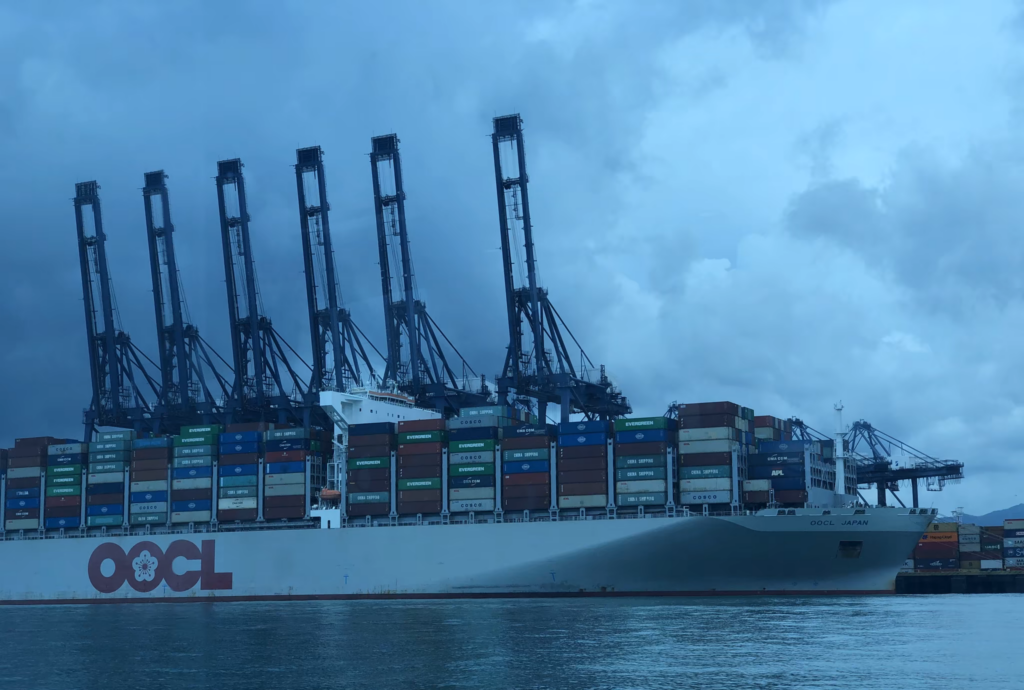
For heavy, bulky, or non-urgent shipments, sea freight is the most economical option. It accounts for over 90% of the volume moved between China and Turkey.
1. FCL (Full Container Load)
If you have enough goods to fill an entire container (typically 20ft or 40ft), FCL is your best bet. It offers better per-unit costs and reduces the risk of damage since your goods remain sealed from origin to destination.
- Transit Time: Generally 25 to 35 days, depending on the specific ports and whether the route goes via the Suez Canal or around Africa (though the former is standard).
- Estimated Cost: A 20ft container (FCL) typically ranges from $1,800 to $3,500. A 40ft container (FCL) usually falls between $2,800 and $5,000.
- Pros: Lower cost per cubic meter; minimal handling.
- Cons: Slower transit time; potential port congestion delays.
2. LCL (Less than Container Load)
If your shipment isn’t large enough to fill a container, LCL allows you to share space with other shippers. You only pay for the volume you use.
- Transit Time: 30 to 40 days. LCL is slower because it requires consolidation at the origin warehouse and deconsolidation at the destination port.
- Estimated Cost: Approximately $80 to $150 per cubic meter (CBM). Note that LCL often involves higher destination handling fees than FCL.
- Pros: Flexible for small businesses; no need to wait until you have enough stock for a full container.
- Cons: Higher risk of damage due to multiple handling points; longer customs clearance times.
Key Ports in China and Turkey
- Chinese Origins: Shanghai, Ningbo, Shenzhen (Yantian/Shekou), Qingdao, and Tianjin are the most common departure points.
- Turkish Destinations: Ambarli (Istanbul), Gemlik, Izmir, Mersin, and Gebze.
Air Freight: Speed and Reliability
When time is of the essence, air freight is the undisputed champion. It is ideal for high-value electronics, perishables, urgent samples, or e-commerce inventory replenishment.
- Transit Time: 3 to 7 days from airport to airport. With express services, door-to-door delivery can be achieved in as little as 4 days.
- Estimated Cost: Charges are calculated based on the “chargeable weight” (volumetric vs. actual weight). Rates typically range from $4.50 to $8.50 per kg.
- Pros: Extremely fast; highly secure; fewer restrictions on certain hazardous materials (with proper documentation).
- Cons: Significantly more expensive than sea freight; strict size and weight limitations.
Express Courier Services
Companies like DHL, FedEx, UPS, and TNT offer integrated express solutions. While often more expensive than standard air freight, they include customs clearance and final mile delivery in a single fee, making them ideal for shipments under 100kg.
Rail Freight: The Emerging Alternative
The China-Europe Railway Express (also known as the Belt and Road Initiative route) has opened up a viable middle ground between sea and air.
- Transit Time: 12 to 18 days.
- Estimated Cost: Roughly $3,500 to $5,500 per container.
- Pros: Faster than sea freight; cheaper than air freight; environmentally friendly.
- Cons: Limited capacity compared to sea freight; less flexible routing; potential border crossing delays (especially through Central Asia).
Factors Influencing Your Shipping Costs
Beyond the base freight rate, several factors contribute to the final invoice:
- Fuel Surcharges (BAF/CAF): Bunker Adjustment Factor (for sea) and Currency Adjustment Factor are standard additions that reflect market volatility.
- Peak Season Surcharges (PSS): During Chinese New Year (Jan/Feb) and the run-up to Black Friday/Cyber Monday (Aug-Oct), rates can double due to high demand.
- Customs Duties and Taxes: Turkey has specific import regulations. Import duties range from 0% to 30%, with an additional 20% VAT (KDV) applied to the CIF value + duty.
- Insurance: Marine cargo insurance is highly recommended and typically costs 0.3% to 0.5% of the shipment’s value.
- Accessorial Fees: These include Terminal Handling Charges (THC), documentation fees, chassis fees, and demurrage/detention charges if containers are not returned or unloaded on time.
Comparison Table: Sea Freight vs. Air Freight
| Feature | Sea Freight (FCL/LCL) | Air Freight |
|---|---|---|
| Speed | Slow (25-40 days) | Fast (3-7 days) |
| Cost | Low ($80-$150/CBM) | High ($4.50-$8.50/kg) |
| Reliability | Moderate (Weather/Port Delays) | High (Strict Schedules) |
| Capacity | Very High | Limited |
| Best For | Bulky, Heavy, Non-Urgent | Urgent, High-Value, Small Volume |
| Environmental Impact | Lower per ton/km | Higher Carbon Footprint |
How to Choose the Right Option?
Choose Sea Freight if:
- You are moving furniture, machinery, or bulk raw materials.
- Your budget is tight and you can plan weeks in advance.
- You have shipments exceeding 2-3 CBM (cubic meters).
Choose Air Freight if:
- You are launching a new product and need stock immediately.
- You are shipping high-value items where security is paramount.
- The cost of capital tied up in inventory outweighs the shipping cost difference.
Choose Rail Freight if:
- You need a balance between speed and cost.
- You are shipping to cities along the rail lines (e.g., via Kazakhstan, Azerbaijan, and Georgia to Turkey).
Tips for Optimizing Your Logistics
- Plan Ahead: Booking space 2-4 weeks in advance can lock in lower rates and ensure availability.
- Accurate Documentation: Ensure your Commercial Invoice and Packing List are accurate. Errors can lead to costly customs holds.
- Work with a Freight Forwarder: A reputable forwarder acts as your single point of contact, negotiating better rates with carriers and navigating Turkish customs regulations on your behalf.
- Consider DDP Shipping: Delivered Duty Paid (DDP) terms mean the seller handles all costs and risks until the goods reach the buyer. This simplifies the process significantly for Turkish importers.
Conclusion
Shipping from China to Turkey requires a strategic approach. While sea freight remains the king of cost-effectiveness for large volumes, air freight offers unparalleled speed for urgent needs. By understanding the variables—from transit times and seasonal surcharges to customs clearance—you can make informed decisions that protect your bottom line. Always request quotes from multiple providers and clarify exactly what is included in the price. In the world of international logistics, the cheapest rate upfront is rarely the cheapest in the long run if it comes with hidden fees or unreliable service.
Frequently Asked Questions (FAQ)
Q1: What is the cheapest way to ship from China to Turkey? A: Sea freight (LCL or FCL) is by far the cheapest method for commercial shipments. If you are shipping personal effects or very small packages (under 20kg), postal services like China Post or ePacket might be cheaper, but they lack tracking reliability and speed compared to professional freight forwarders. Q2: How long does customs clearance take in Turkey? A: Typically, customs clearance in Turkey takes 1 to 3 business days if all documentation is correct and there are no “red flags” triggering a physical inspection. However, during peak seasons or if there are discrepancies in the paperwork, it can take up to a week or more. Q3: Do I need a customs bond when importing into Turkey? A: Unlike the USA, Turkey does not require a customs bond in the same way. However, you must work with a licensed Turkish customs broker. Importers usually need to provide a tax ID (VAT number) and may need to post a guarantee for certain types of goods or temporary imports. Q4: What are the prohibited items when shipping to Turkey? A: Turkey has strict regulations on items such as narcotics, weapons, counterfeit goods, certain chemicals, and obscene materials. Additionally, specific food products, plants, and animal products often require special permits (Phytosanitary certificates). Always check with your forwarder before shipping sensitive items. Q5: Why do air freight quotes vary so much between carriers? A: Air freight rates depend heavily on the carrier’s network, the specific flight routes (direct vs. connecting), the type of aircraft, and current capacity. Carriers like Turkish Airlines Cargo often have competitive rates due to their extensive hub in Istanbul, but pricing can spike during holidays or major trade fairs. Q6: Is insurance mandatory for shipping to Turkey? A: While not legally mandatory for all shipments, marine/cargo insurance is strongly advised. Turkish customs does not cover damage incurred during transit, and carriers’ liability is often limited. Given the long journey across seas or continents, insurance protects your investment against loss, theft, or damage. Q7: Can I track my shipment from China to Turkey? A: Yes. Reputable freight forwarders provide online tracking portals. For sea freight, you can use the Bill of Lading (B/L) number on the carrier’s website. For air freight, the Air Waybill (AWB) number allows tracking via the airline’s cargo site or third-party aggregators like FlightAware or Cargo Tracker.


