
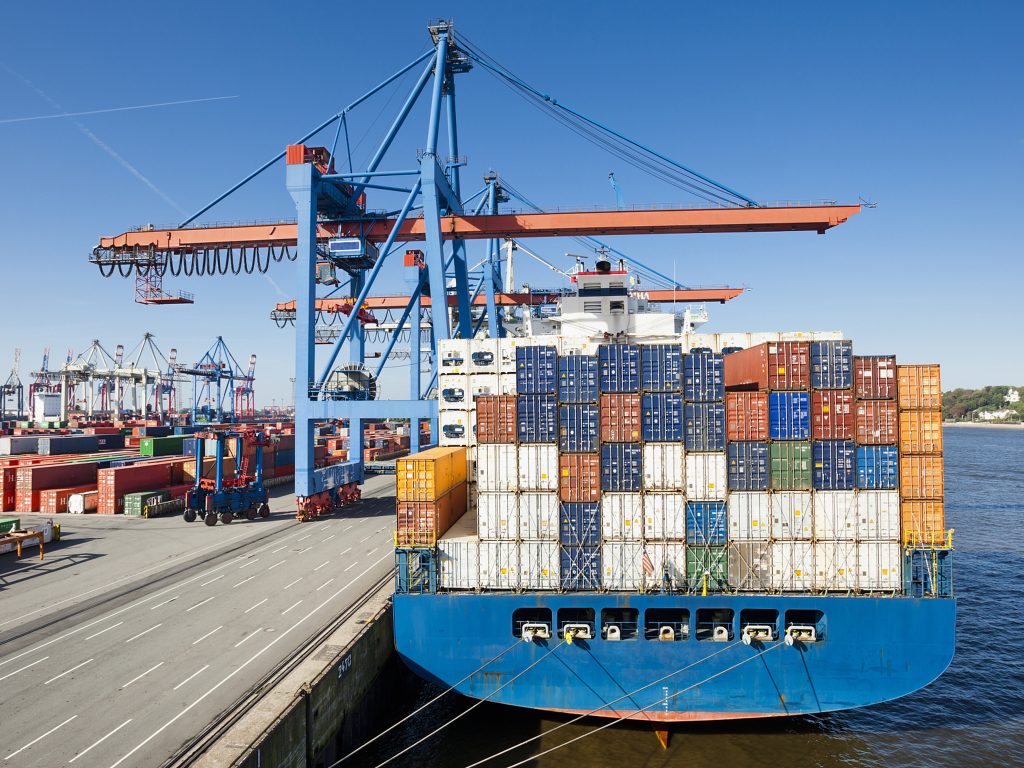
In the high-stakes world of international trade, countless things can go wrong between a factory in Shenzhen and a warehouse in Istanbul. A container can fall overboard in the Mediterranean, a truck can overturn on the Otoyol highway, or hidden moisture can ruin an entire shipment of electronics. Yet, one of the most overlooked aspects of logistics is Marine Cargo Insurance. Many importers assume that the carrier or the freight forwarder is automatically liable for lost or damaged goods. This is a dangerous misconception. Under international conventions like the Hague-Visby Rules, a carrier’s liability is severely limited—often to just a few hundred dollars per package. For a shipment worth tens of thousands of dollars, this is a drop in the ocean. This guide will demystify cargo insurance for the China-Turkey trade lane, explaining why it is essential, how to choose the right coverage, and how to ensure you get paid when things go wrong.
The Harsh Reality: Limited Liability of Carriers
Before discussing insurance, you must understand why you cannot rely on the shipping line or airline for compensation.
- The “Package Limitation”: Under international law, if a carrier is found liable for damage, they are only responsible for a specific amount per “package” or per kilogram. For sea freight, this is often around SDR 2-3 per kilo (Special Drawing Rights, approx. $2.50-$4.00 USD/kg). If you ship 1,000 kg of goods worth $20,000, the carrier might only pay you $4,000.
- Exemptions: Carriers are not liable for “Inherent Vice” (spoilage, rust, decay), Acts of God (storms, earthquakes), or “Force Majeure” events. They also aren’t liable if the packaging is insufficient.
- The Burden of Proof: To get any money from a carrier, you must prove they were negligent. Proving that a container was handled poorly is incredibly difficult.
Conclusion: Without your own insurance policy, you are essentially self-insuring. If the goods don’t arrive, or arrive damaged, the financial loss is yours alone.
Types of Cargo Insurance Coverage
Insurance policies are not one-size-fits-all. For China-Turkey shipments, you will primarily encounter two types of policies defined by the Institute Cargo Clauses (ICC):
1. ICC(A) – “All Risks” (Recommended)
Despite the name, this does not cover literally everything, but it is the broadest form of coverage available.
- Coverage: Covers all physical loss or damage to the goods from external causes. This includes theft, pilferage, breakage, moisture damage, seawater damage, and accidents during loading/unloading.
- Exclusions: Does not cover loss due to war, strikes, riots, civil commotions, or inherent vice (like spoilage of fruit).
- Best For: High-value electronics, fashion apparel, machinery, and most general merchandise.
2. ICC(C) – “Basic Risks” (Limited)
This is the most restrictive coverage.
- Coverage: Only covers major casualties. Specifically: fire, explosion, vessel/vehicle overturning, collision, discharge at a port of distress, and general average sacrifices.
- Exclusions: Does not cover theft, pilferage, breakage, moisture, or contamination.
- Best For: Low-value, durable goods where the risk of minor damage is acceptable (e.g., scrap metal, raw timber).
3. ICC(B) – “Intermediate Risks” (Less Common)
A middle ground between A and C. Covers specific named perils like fire, explosion, vessel sinking, collision, and some environmental damage (like water damage), but excludes theft and pilferage. It is rarely used on the China-Turkey lane compared to ICC(A).
Specialized Coverages
Depending on your cargo, you may need to add specific clauses:
- War Risks: Covers damage due to acts of war, civil war, or terrorism. Essential if routing through politically unstable regions (though less critical for standard Suez Canal routes).
- Strike, Riots, and Civil Commotions (SRCC): Covers losses due to labor strikes or political unrest.
- Refrigerated Cargo (Reefer): Covers spoilage due to mechanical breakdown of the refrigeration unit.
- Second-Hand Machinery: Requires a specific “Used Machinery” clause, as insurers are wary of pre-existing defects.
How to Calculate the Insured Amount
Never insure your goods for just their purchase price. To be fully protected, you must insure for the CIF Value + 10%.
- Formula: (Cost of Goods + Freight + Insurance) x 110%
- Why 10%? This 10% buffer accounts for your expected profit margin. If the goods are lost, you not only recover your costs but also the profit you would have made from selling them.
Who Should Arrange the Insurance?
This depends on your Incoterms:
- CIF (Cost, Insurance, Freight): The Seller (in China) is responsible for arranging and paying for insurance. However, be cautious: sellers often buy the minimum required coverage (ICC(C)) to save money. You might want to arrange your own “Top-Up” policy or insist on ICC(A).
- FOB (Free On Board) or EXW (Ex Works): The Buyer (in Turkey) is responsible for insurance. You must arrange this yourself.
- DDP (Delivered Duty Paid): The Seller arranges insurance. Again, verify the scope of coverage.
Pro Tip: Even if the seller arranges insurance, you (the buyer) are the one who suffers the loss. Always ask for a copy of the Insurance Certificate and verify the terms. If the coverage is inadequate, buy your own policy to supplement it.
The Claims Process: How to Get Paid
Buying insurance is easy; claiming is hard. To ensure a successful claim, follow these steps meticulously:
- Immediate Notification: Notify your insurer or agent immediately upon discovering damage or loss. Most policies require notification within 7-14 days of delivery.
- Preserve Evidence: Do not move or dispose of the damaged goods. Take high-resolution photos and videos of the damage, the packaging, and the container seal.
- Surveyor Appointment: The insurer will appoint a Surveyor (a third-party expert) to inspect the damage. Cooperate fully with them.
- Documentation: Submit the following documents to the insurer:
- Insurance Certificate/Policy.
- Commercial Invoice and Packing List.
- Bill of Lading or Air Waybill.
- Survey Report.
- Correspondence with the carrier regarding the damage.
- Proof of Value (Bank transfer receipts).
- Subrogation: Once the insurer pays your claim, they “subrogate” your rights. This means the insurer now has the right to sue the carrier on your behalf to recover their payout. You cannot claim from both the insurer and the carrier.
Common Mistakes to Avoid
- Underinsuring: Insuring for the invoice value only. If the goods are lost, you lose your profit margin.
- Misdescribing Goods: Describing “Electronics” as “Metal Parts” to get a cheaper premium. This is insurance fraud and will void your policy.
- Late Notification: Waiting weeks to report damage. Insurers will reject late claims.
- Lack of Documentation: Throwing away the damaged packaging or failing to get a “Letter of Protest” from the carrier at the time of delivery.
- Assuming “All Risks” Covers Everything: Remember, All Risks doesn’t cover war, strikes, or inherent vice. Read the exclusions.
Cost of Insurance
Cargo insurance is surprisingly affordable. Premiums typically range from 0.3% to 0.5% of the insured value for standard goods on the China-Turkey route.
- Example: Insuring $50,000 worth of goods under ICC(A) might cost only $150-$250.
- Risk Factors: Premiums increase for hazardous goods, fragile items, or shipments to high-risk areas.
Choosing an Insurer or Broker
- Insurance Companies: Global players like Allianz, Chubb, AIG, and Zurich offer robust marine cargo policies.
- Insurance Brokers: Firms like Marsh, Aon, or Willis Towers Watson can shop around for the best rates and tailor policies to your needs.
- Forwarder-Placed Insurance: Many freight forwarders offer “Single Shipment” or “Open Cover” policies. These are convenient but often more expensive and provide less coverage than going directly to an insurer. Always read the fine print.
The “General Average” Clause: A Critical Warning
If a ship faces a major peril (like a fire or storm) and the captain jettisons cargo to save the vessel, all cargo owners on board must share the loss proportionally. This is called General Average.
- The Trap: Even if your containers were not thrown overboard, you are still liable for a portion of the shipowner’s losses.
- The Requirement: To get your cargo released from the port, you must provide a General Average Bond and a Guarantee (usually backed by insurance).
- The Solution: Ensure your insurance policy explicitly covers General Average contributions. Without it, you might have to pay a massive deposit to the shipowner just to get your undamaged goods back.
Conclusion
In the complex journey from China to Turkey, cargo insurance is not an optional extra—it is a fundamental pillar of risk management. For a fraction of your shipment’s value, you transfer the financial risk of catastrophic loss from your business to a global insurer. Whether you are shipping a single pallet of samples or a hundred containers of machinery, the peace of mind that comes with knowing you are covered—against everything from a sunk vessel to a pilfered carton—is invaluable. Don’t let a single unfortunate event wipe out your profits; make cargo insurance a non-negotiable part of every shipment.
Frequently Asked Questions (FAQ)
Q1: Is cargo insurance mandatory for shipping to Turkey?A: No, it is not legally mandatory under Turkish Customs law. However, it is commercially essential. Without it, you bear 100% of the financial risk. Most sophisticated buyers and sellers make it a contractual requirement under their Incoterms agreement. Q2: What is an “Open Cover” policy vs. a “Specific Voyage” policy?A: A Specific Voyage policy covers a single shipment from Point A to Point B. An Open Cover (or Open Policy) is an annual contract that automatically covers all your shipments during the year. Open Cover is more convenient for regular importers, as you don’t need to arrange insurance for every single shipment; you just declare the shipments to the insurer periodically. Q3: My goods arrived with slight damage. Is it worth filing a claim?A: It depends on your Deductible (Excess). Most policies have a deductible (e.g., $250 or 1% of the insured value). If the damage is less than the deductible, the insurer won’t pay. If the damage is significant, always file a claim, as it protects your right to compensation and creates a record for future premium adjustments. Q4: Does insurance cover delays or loss of market?A: Generally, no. Standard marine cargo policies do not cover pure financial losses like loss of market, delay, or loss of use. They only cover physical damage or physical loss of the goods. If your goods arrive late and the market price has dropped, the insurer will not compensate you for the difference. Q5: What is “Inherent Vice” and why isn’t it covered?A:Inherent Vice refers to the natural tendency of goods to deteriorate or change due to their own internal characteristics (e.g., rust on metal, fermentation of liquids, spoilage of fresh produce). Insurers argue they cannot protect against natural processes. If you are shipping goods prone to inherent vice, you must ensure they are packaged perfectly and, for perishables, use reefer containers with appropriate climate controls. Q6: Can I buy insurance if I am using a DDP service?A: Yes. Even if your DDP provider says they have insurance, ask for a copy of the certificate. Often, their policy has high deductibles or limited coverage. You can (and should) buy a “Contingency Insurance” policy. This acts as a backup; if the primary policy fails to pay (e.g., due to the forwarder’s insolvency or a technicality), your contingency policy kicks in. Q7: How long does it take to get paid after filing a claim?A: It varies. Simple claims with clear evidence might be settled in 30-60 days. Complex claims involving General Average or legal disputes can take 6-12 months or longer. Maintaining thorough documentation is the fastest way to expedite payment.


