Introduction: Choosing the Right Shipping Method from China to Sri Lanka
When importing goods from China to Sri Lanka, one of the most important decisions is choosing between FCL (Full Container Load) and LCL (Less than Container Load) shipping.
Many importers are unsure which option is more cost-effective. Choosing the wrong shipping method can increase logistics expenses, cause delays, or create unnecessary handling costs.
A professional China to Sri Lanka freight forwarder can help businesses select the best solution based on cargo volume, budget, delivery time, and product type.
This guide explains the differences between FCL and LCL shipping, their advantages, costs, transit times, and which option is better for different types of importers.
What Is FCL Shipping from China to Sri Lanka?
FCL stands for Full Container Load.
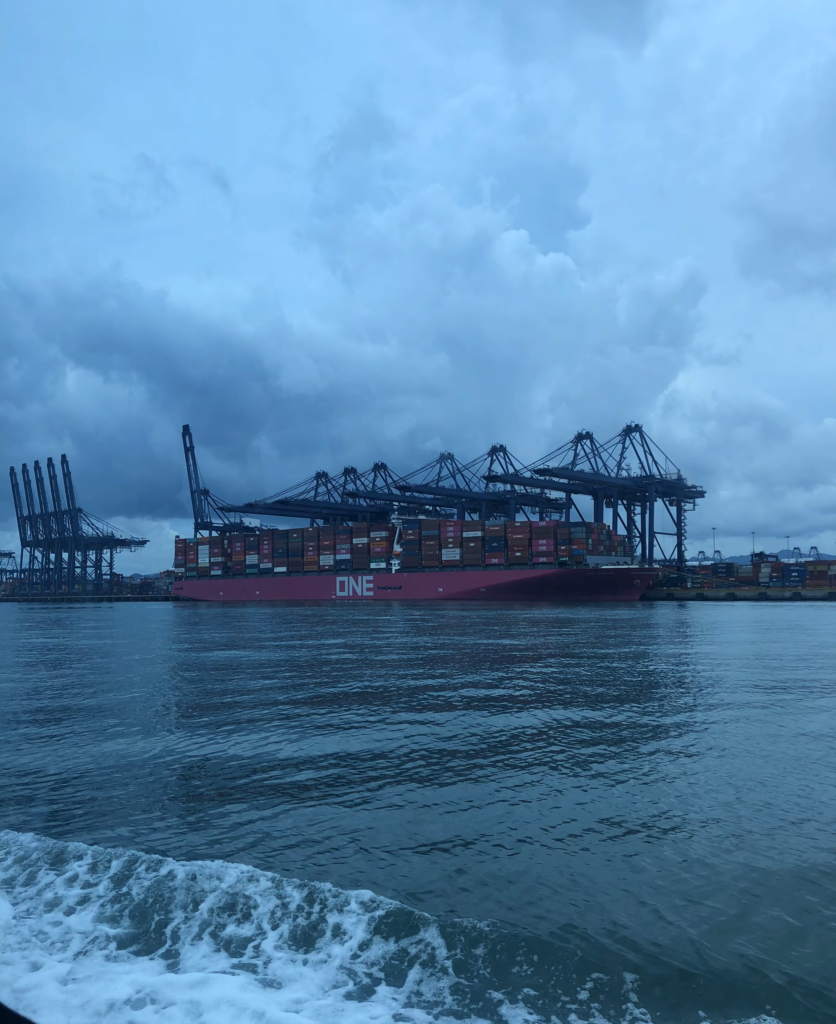
With FCL shipping, one importer uses an entire container for their goods. The container is loaded at the supplier’s warehouse or freight forwarder’s warehouse and transported directly to Sri Lanka.
Common container sizes include:
- 20-foot container
- 40-foot container
- 40HQ high cube container
FCL is widely used by companies importing large quantities from Chinese manufacturers.
Advantages of FCL Shipping
1. Lower Cost for Large Shipments
When your cargo volume is large enough, FCL usually provides a lower cost per unit.
It is suitable for:
- Wholesale orders
- Factory production materials
- Large equipment
- Furniture shipments
- Bulk products
2. Better Cargo Security
Because the container is dedicated to one customer:
- Less handling
- Lower risk of damage
- Better cargo protection
This is especially important for fragile or valuable products.
3. Faster Port Handling
FCL shipments usually require fewer loading and unloading procedures.
Advantages:
- Faster container movement
- Lower risk of delays
- Easier tracking
What Is LCL Shipping from China to Sri Lanka?
LCL stands for Less than Container Load.
With LCL shipping, your goods share container space with shipments from other importers.
The freight forwarder collects different customers’ cargo, combines them into one container, and ships them together.
LCL is ideal for businesses that do not have enough cargo to fill a complete container.
Advantages of LCL Shipping
1. Lower Starting Cost
You only pay for the space your cargo uses.
This makes LCL suitable for:
- Small businesses
- New importers
- Product testing orders
- Small wholesale purchases
2. Flexible Shipment Quantity
You do not need to wait until you have a full container.
Importers can order smaller quantities and maintain flexible inventory.
3. Good for First-Time Buyers
For businesses testing Chinese suppliers, LCL reduces financial risk.
You can:
- Test product quality
- Test market demand
- Start with smaller orders
FCL vs LCL Shipping Comparison
| Comparison | FCL Shipping | LCL Shipping |
|---|---|---|
| Full Name | Full Container Load | Less than Container Load |
| Container Usage | One customer uses one container | Multiple customers share one container |
| Best For | Large shipments | Small and medium shipments |
| Cost Advantage | Better for high volume | Better for small cargo |
| Handling | Less handling | More handling |
| Cargo Safety | Higher | Slightly lower |
| Transit Time | Usually faster | Usually longer |
| Flexibility | Lower | Higher |
Which Shipping Method Is Cheaper?
The answer depends on your cargo volume.
Choose FCL When:
Your shipment is large enough to fill most of a container.
Examples:
- Large furniture orders
- Machinery imports
- Full factory production materials
- Wholesale inventory
Although the total cost is higher, the cost per unit can be lower.
Choose LCL When:
Your shipment volume is small.
Examples:
- Samples
- Small orders
- New product testing
- Mixed supplier purchases
You avoid paying for unused container space.
How to Calculate FCL and LCL Shipping Costs?
Shipping costs depend on several factors:
Cargo Information
- Product name
- Weight
- Volume
- Number of cartons
- Packaging size
Shipping Route
Examples:
- Shenzhen to Colombo
- Guangzhou to Colombo
- Shanghai to Colombo
Additional Services
Possible charges include:
- Pickup fees
- Warehouse handling
- Documentation fees
- Customs clearance
- Delivery charges
A professional freight forwarder can provide a complete quotation based on your shipment details.
FCL Shipping Process from China to Sri Lanka
Step 1: Supplier Production
The Chinese factory completes the order.
Step 2: Container Loading
Goods are loaded into a dedicated container.
Step 3: Export Customs Clearance
Documents are prepared and shipment is cleared.
Step 4: Sea Transportation
The container is shipped to Sri Lanka.
Step 5: Customs Clearance and Delivery
The container is cleared and delivered to the final destination.
LCL Shipping Process from China to Sri Lanka
Step 1: Supplier Pickup
Goods are collected from one or multiple suppliers.
Step 2: Warehouse Consolidation
Cargo is measured, checked, and combined with other shipments.
Step 3: Container Loading
Different customers’ goods are loaded into one container.
Step 4: Sea Transportation
The container travels to Sri Lanka.
Step 5: Cargo Distribution
Goods are separated after arrival and delivered to each customer.
How to Choose Between FCL and LCL?
Ask yourself these questions:
1. How Much Cargo Do You Have?
- Large volume → FCL
- Small volume → LCL
2. How Quickly Do You Need the Goods?
- Urgent shipments → FCL may be faster
- Flexible delivery → LCL can work well
3. Are Your Products Fragile?
For fragile products, FCL may provide better protection because there is less handling.
4. Are You Testing a New Supplier?
For first orders, LCL can reduce risk by allowing smaller quantities.
Frequently Asked Questions (FAQ)
Q1: Is FCL cheaper than LCL shipping from China to Sri Lanka?
For large shipments, FCL is usually cheaper per unit. For small shipments, LCL is more economical because you only pay for the space used.
Q2: What is the minimum volume for FCL shipping?
There is no strict minimum, but FCL becomes more cost-effective when cargo volume is large enough to justify a container.
Q3: How long does FCL shipping from China to Sri Lanka take?
Usually around 15–35 days depending on the shipping route and customs clearance.
Q4: How long does LCL shipping take?
LCL usually takes longer than FCL because cargo needs consolidation and separation procedures.
Q5: Can a freight forwarder combine goods from different Chinese suppliers?
Yes. Many freight forwarders provide warehouse consolidation services to collect products from multiple suppliers and arrange one shipment.
Conclusion: FCL or LCL — Which One Is Better?
There is no single best shipping method for every importer.
FCL shipping is the better choice for large-volume cargo because it offers better cost efficiency, security, and faster handling.
LCL shipping is ideal for small and medium shipments because it provides flexibility and lower initial costs.
For Sri Lankan businesses importing from China, working with an experienced China to Sri Lanka freight forwarder can help analyze your shipment details and choose the most economical logistics solution.


