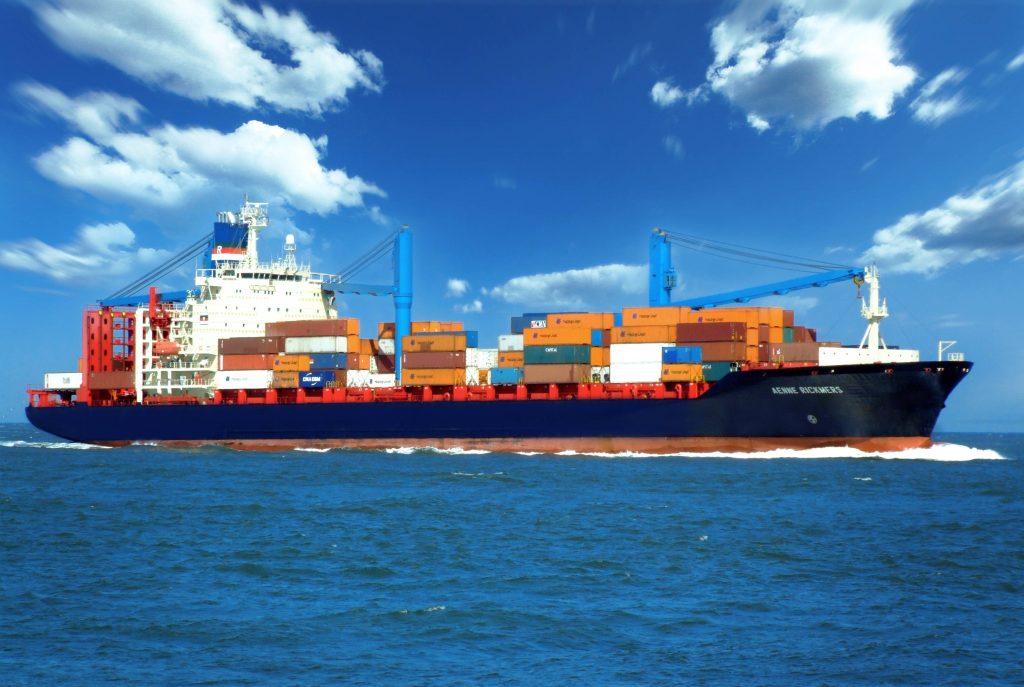
When shipping goods from China to Saudi Arabia, one of the most important decisions is whether to choose Full Container Load (FCL) or Less than Container Load (LCL) shipping. Selecting the right option can significantly reduce transportation costs, improve delivery efficiency, and protect your cargo during transit.
If you’re importing furniture, machinery, electronics, building materials, or consumer goods, understanding the differences between FCL and LCL will help you choose the most cost-effective shipping solution.
This guide compares FCL and LCL shipping, including costs, transit times, advantages, and how to determine which option is best for your business.
What Is FCL Shipping?
FCL (Full Container Load) means you rent an entire shipping container for your cargo. Your goods are loaded into one container and are not mixed with cargo from other shippers.
Common container sizes include:
- 20GP (20-foot container)
- 40GP (40-foot container)
- 40HQ (40-foot high cube container)
FCL is ideal for businesses with large shipment volumes.
Advantages of FCL Shipping
- Lower shipping cost per unit for large cargo
- Faster loading and unloading
- Reduced risk of cargo damage
- Better cargo security
- Fewer handling procedures
- Suitable for heavy and oversized shipments
What Is LCL Shipping?
LCL (Less than Container Load) allows multiple shippers to share one container. You only pay for the space your cargo occupies.
LCL is suitable for:
- Small businesses
- Trial orders
- Product samples
- Low-volume shipments
- E-commerce sellers
Advantages of LCL Shipping
- No need to fill an entire container
- Lower upfront shipping cost
- Flexible shipment sizes
- Suitable for small and medium-sized businesses
- Ideal for frequent small orders
FCL vs. LCL: Cost Comparison
FCL
FCL is usually more economical when:
- Your shipment fills a large portion of a container
- You ship regularly
- Your cargo is heavy
- You need better cargo protection
The larger your shipment, the lower the average shipping cost per unit.
LCL
LCL is more economical when:
- Your cargo volume is small
- You don’t have enough goods to fill a container
- You want to reduce inventory costs
- You are testing a new market
Although the cost per cubic meter is generally higher than FCL, LCL avoids paying for unused container space.
Transit Time Comparison
Typical shipping times from China to Saudi Arabia are:
FCL
- 20–30 days to major Saudi ports
LCL
- 25–40 days
LCL usually takes longer because the container must be consolidated at the origin and deconsolidated at the destination.
Which Cargo Is Best for FCL?
FCL is recommended for:
- Furniture
- Industrial machinery
- Construction materials
- Automotive parts
- Home appliances
- Large commercial orders
- Manufacturing equipment
- Hotel supplies
These products benefit from better protection and lower transportation costs per unit.
Which Cargo Is Best for LCL?
LCL works well for:
- Electronics
- Clothing
- Shoes
- Household goods
- Promotional products
- Gifts
- Small wholesale orders
- E-commerce inventory
It provides an affordable shipping solution for businesses with lower cargo volumes.
Factors That Affect Shipping Costs
Several factors influence freight rates:
- Cargo volume
- Cargo weight
- Container availability
- Shipping season
- Fuel costs
- Port charges
- Customs clearance
- Final delivery location
Requesting a customized quotation helps determine the most economical option.
FCL vs. LCL Comparison
| Feature | FCL | LCL |
|---|---|---|
| Best for | Large shipments | Small shipments |
| Cost per unit | Lower | Higher |
| Transit time | Faster | Slightly longer |
| Cargo security | Higher | Good |
| Cargo handling | Less | More |
| Risk of damage | Lower | Slightly higher |
| Flexibility | Medium | High |
How to Reduce Shipping Costs
Whether you choose FCL or LCL, these strategies can help lower logistics expenses:
- Consolidate orders before shipping.
- Optimize packaging dimensions.
- Plan shipments in advance.
- Choose the appropriate Incoterms.
- Work with an experienced freight forwarder.
- Avoid peak shipping seasons when possible.
Proper logistics planning can significantly improve your supply chain efficiency.
Why Choose a Professional Freight Forwarder?
An experienced freight forwarder can provide:
- Competitive FCL and LCL freight rates
- Air and sea freight services
- DDP door-to-door shipping
- Customs clearance assistance
- Cargo consolidation
- Warehouse services
- Shipment tracking
- Flexible logistics solutions
Professional logistics support helps reduce shipping risks and improve delivery performance.
Frequently Asked Questions
Which is cheaper, FCL or LCL?
For large shipments, FCL is usually more cost-effective because the cost per unit is lower. For smaller shipments, LCL is more economical since you only pay for the space you use.
Is FCL faster than LCL?
Yes. FCL shipments generally move faster because they do not require cargo consolidation or deconsolidation.
Can I use DDP with FCL or LCL?
Yes. Many freight forwarders offer DDP door-to-door services for both FCL and LCL shipments, depending on the cargo type and destination.
Which option is safer?
FCL offers better cargo protection because your goods remain in one dedicated container throughout the journey.
How do I choose the right shipping option?
Your decision should be based on:
- Shipment volume
- Budget
- Delivery deadline
- Cargo value
- Storage capacity
An experienced freight forwarder can help you select the most cost-effective solution.
Get the Best FCL or LCL Shipping Solution from China to Saudi Arabia
Whether you are shipping a few cartons or a full container, choosing the right logistics solution can save both time and money.
Our experienced team provides China to Saudi Arabia FCL, LCL, DDP door-to-door shipping, customs clearance, cargo consolidation, and warehouse services. We offer customized logistics solutions for importers, wholesalers, manufacturers, and e-commerce businesses.
Contact us today for a free shipping consultation and receive a competitive quotation tailored to your cargo, destination, and business requirements.


