When importing goods from China to Qatar, one of the most important logistics decisions is choosing between sea freight and air freight. Both transportation methods offer unique advantages, and selecting the right option can significantly impact your shipping costs, delivery times, inventory management, and overall business performance.
This guide compares sea freight and air freight from China to Qatar to help importers determine the most suitable solution for their cargo.
Understanding the Difference Between Sea Freight and Air Freight
Sea freight transports cargo by ocean vessels through international ports, while air freight uses commercial or cargo aircraft for transportation.
The best choice depends on several factors:
- Cargo size
- Cargo weight
- Delivery urgency
- Product value
- Budget
- Supply chain requirements
Rather than choosing the fastest or cheapest option, businesses should evaluate the total logistics strategy.
When Sea Freight Is the Better Choice
Sea freight is the preferred solution for businesses importing large quantities of goods.
Common products shipped by sea include:
- Furniture
- Construction materials
- Industrial machinery
- Solar products
- Home appliances
- Automotive parts
- Building supplies
Advantages of Sea Freight
Lower Transportation Costs
Sea freight typically offers the lowest cost per kilogram for international shipping.
This makes it ideal for:
- Bulk cargo
- Heavy products
- Large-volume shipments
Greater Cargo Capacity
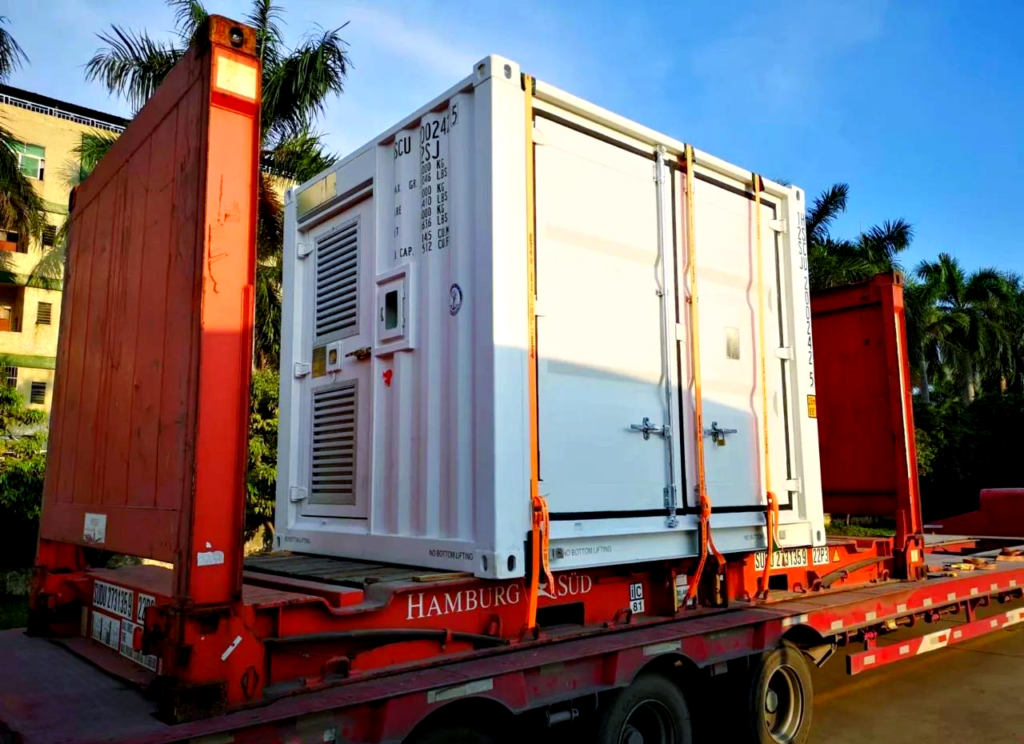
Ocean containers can accommodate large and oversized cargo that may be impractical or expensive to transport by air.
Better for Long-Term Inventory Planning
Businesses with predictable inventory cycles can benefit from lower shipping costs by planning sea freight shipments in advance.
Limitations of Sea Freight
Sea freight may not be suitable when:
- Delivery deadlines are urgent
- Inventory levels are critically low
- Products are highly time-sensitive
Importers should account for longer transit times when planning shipments.
When Air Freight Is the Better Choice
Air freight is designed for speed and efficiency.
Many businesses use air freight when delivery time is more important than transportation cost.
Common air freight products include:
- Electronics
- Medical equipment
- Spare parts
- High-value goods
- Fashion products
- Product samples
Advantages of Air Freight
Fast Delivery
Air freight significantly reduces transit times and helps businesses respond quickly to market demands.
Higher Shipment Security
Air cargo typically experiences fewer handling stages, reducing the risk of damage and loss.
Reduced Inventory Costs
Faster delivery allows businesses to maintain lower inventory levels while ensuring product availability.
Ideal for Emergency Shipments
Urgent replacement parts or critical products can reach customers quickly through air freight services.
Limitations of Air Freight
Air freight usually involves:
- Higher transportation costs
- Weight restrictions
- Size limitations
- Increased costs for bulky cargo
For heavy products, air freight can become economically impractical.
Cost Comparison: Sea Freight vs Air Freight
For most shipments, sea freight is considerably less expensive than air freight.
Businesses often choose sea freight when:
- Cost control is the priority
- Delivery deadlines are flexible
- Cargo volume is large
Air freight is often selected when:
- Speed is critical
- Product value is high
- Inventory shortages must be avoided
The cheapest shipping option is not always the most profitable. Delayed inventory can create lost sales opportunities that exceed transportation savings.
Cargo Type Comparison
Best Cargo for Sea Freight
- Furniture
- Industrial equipment
- Agricultural machinery
- Construction materials
- Household products
- Bulk commercial goods
Best Cargo for Air Freight
- Electronics
- Medical products
- Luxury goods
- Samples
- Urgent spare parts
- High-value commercial products
Understanding cargo characteristics helps businesses make smarter logistics decisions.
Sea Freight Options from China to Qatar
FCL (Full Container Load)
Suitable for businesses shipping enough cargo to fill a container.
Benefits include:
- Better security
- Faster handling
- Lower risk of damage
LCL (Less than Container Load)
Suitable for smaller shipments.
Benefits include:
- Lower initial shipping costs
- Flexible shipment quantities
- Shared container space
Both options are commonly used for Qatar-bound shipments.
Combining Sea Freight and Air Freight
Many successful importers use a hybrid shipping strategy.
For example:
- Bulk inventory ships by sea freight.
- Urgent products ship by air freight.
- New product samples ship by air.
- Regular stock replenishment ships by sea.
This approach balances transportation costs and delivery speed.
Factors to Consider Before Choosing
Before selecting a shipping method, consider:
Delivery Deadline
How quickly does the cargo need to arrive?
Cargo Value
Is the product valuable enough to justify air freight costs?
Inventory Levels
Can your business wait for sea freight transit times?
Budget
Does transportation cost significantly affect profit margins?
Customer Expectations
Are customers expecting immediate delivery?
Answering these questions can help determine the most appropriate logistics solution.
How a Freight Forwarder Can Help
An experienced freight forwarder can analyze:
- Cargo dimensions
- Shipment urgency
- Budget requirements
- Customs procedures
- Delivery destination
They can recommend the most efficient combination of sea freight, air freight, or multimodal transportation based on your business goals.
Conclusion
There is no single shipping solution that fits every business. Sea freight is generally the best option for large, heavy, and cost-sensitive shipments, while air freight is ideal for urgent, high-value, and time-critical cargo.
The most successful importers evaluate cost, speed, inventory requirements, and customer expectations before selecting a transportation method. Working with an experienced China to Qatar freight forwarder can help businesses optimize logistics performance and reduce overall supply chain costs.
FAQ
Is sea freight cheaper than air freight from China to Qatar?
Yes. Sea freight is usually much more economical for large and heavy shipments.
When should I choose air freight?
Air freight is recommended for urgent, high-value, or time-sensitive cargo that requires fast delivery.
Can I ship machinery by air freight?
It depends on the size and weight. Large machinery is generally more suitable for sea freight.
What is FCL shipping?
FCL stands for Full Container Load, where one customer uses an entire shipping container.
Can businesses use both sea freight and air freight?
Yes. Many importers combine both methods to balance shipping costs and delivery speed.


