
China Freight Forwarding 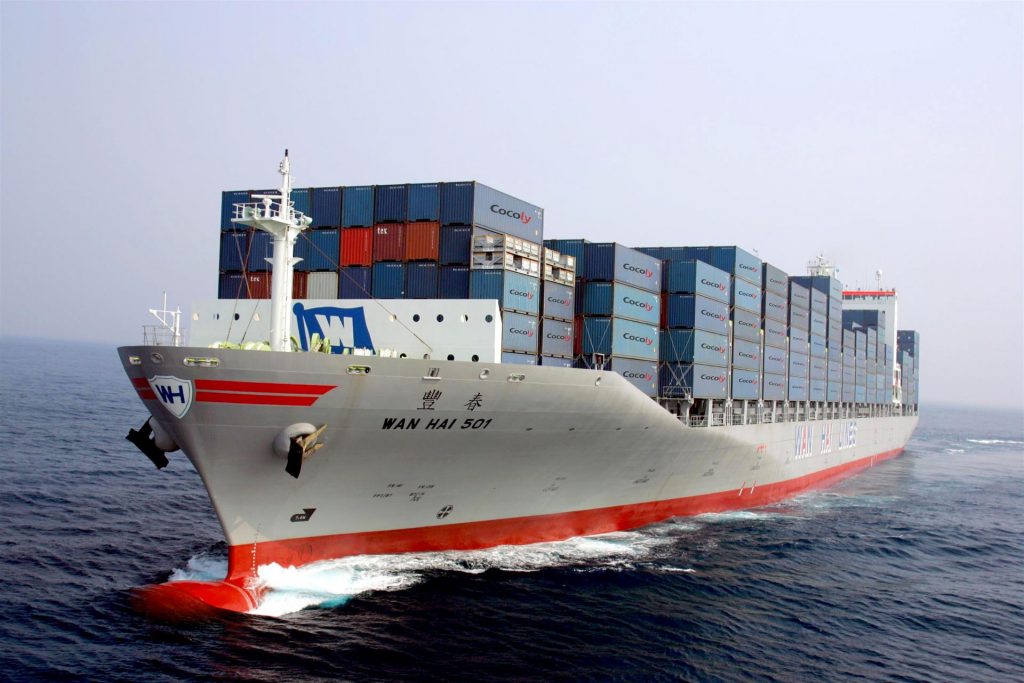
China Freight Forwarding
Air Freight vs Sea Freight from China: Cost and Speed Comparison
Introduction
When importing goods from China, one of the most important logistics decisions is choosing between air freight and sea freight. Both methods are widely used in international trade, but they differ significantly in cost, speed, and suitability.
Choosing the wrong option can increase your shipping expenses or delay your delivery. In this guide, we will compare air freight and sea freight from China in detail, helping you decide which one is best for your business in 2026.
What Is Air Freight?
Air freight refers to transporting goods by aircraft from China to international destinations.
Key Features:
- Fast delivery
- Higher cost
- Suitable for lightweight or urgent shipments
- Charged by weight (kg)
What Is Sea Freight?
Sea freight involves shipping goods by ocean vessels using containers.
Key Features:
- Slow but cost-effective
- Suitable for large and heavy shipments
- Charged by volume (CBM) or container size
- Available as LCL and FCL
Air Freight vs Sea Freight: Key Differences
| Factor | Air Freight | Sea Freight |
|---|---|---|
| Speed | 3–10 days | 25–45 days |
| Cost | High | Low |
| Capacity | Limited | Large |
| Best For | Urgent goods | Bulk shipments |
| Risk Level | Lower transit time risk | Higher handling exposure |
| Carbon Emissions | Higher | Lower |
Air Freight Cost from China
Price Range
- $4 – $10 per kg
Example:
- 100 kg shipment → $400 – $1,000
Transit Time
- 3–10 days
When to Choose Air Freight
Air freight is best for:
- Urgent shipments
- High-value goods
- Electronics and samples
- E-commerce fast delivery
Sea Freight Cost from China
LCL Shipping Cost
- $80 – $200 per CBM
FCL Shipping Cost
- 20FT container: $1,500 – $3,500
- 40FT container: $2,500 – $5,500
Example:
- 5 CBM shipment → $400 – $1,000
Transit Time
- 25–45 days
When to Choose Sea Freight
Sea freight is best for:
- Bulk shipments
- Heavy goods
- Low-cost import strategy
- Non-urgent deliveries
Cost Comparison Example
Scenario: 200 kg shipment
Air Freight:
- $5/kg × 200 = $1,000
Sea Freight (LCL):
- 1 CBM ≈ $120–$180
- Total ≈ $120–$180
👉 Sea freight is significantly cheaper but slower
Speed Comparison
| Route Example | Air Freight | Sea Freight |
|---|---|---|
| China → USA | 5–8 days | 25–35 days |
| China → Europe | 4–7 days | 25–40 days |
| China → Canada | 5–10 days | 25–40 days |
Advantages of Air Freight
1. Fast Delivery
Ideal for urgent orders and tight deadlines
2. High Security
Less handling reduces damage risk
3. Reliable Schedules
Frequent flight schedules
Disadvantages of Air Freight
1. High Cost
Much more expensive than sea freight
2. Weight Limitations
Not suitable for heavy cargo
3. Restrictions
Certain goods cannot be shipped by air
Advantages of Sea Freight
1. Lowest Cost
Best for large shipments
2. High Capacity
Suitable for bulk cargo
3. Flexible Options
LCL and FCL available
Disadvantages of Sea Freight
1. Slow Transit Time
Can take up to 45 days
2. Port Delays
Possible congestion and delays
3. More Handling
Higher risk of damage in LCL shipments
Hidden Costs to Consider
Both air and sea freight may include:
- Origin handling fees
- Destination charges
- Customs clearance fees
- Import duties and taxes
- Delivery fees
👉 Always request a full door-to-door quote
DDP Shipping Option (Air vs Sea)
DDP (Delivered Duty Paid) includes:
- Freight cost
- Customs clearance
- Taxes and duties
- Final delivery
Estimated Costs:
- Air DDP: $6 – $12 per kg
- Sea DDP: $100 – $200 per CBM
Which Is Better for Your Business?
Choose Air Freight if:
- You need fast delivery
- Goods are lightweight
- You sell high-value products
Choose Sea Freight if:
- You want lowest cost
- You ship in bulk
- Delivery time is not urgent
Common Mistakes to Avoid
- Choosing air freight for heavy low-value goods
- Ignoring total landed cost
- Not planning for peak season delays
- Poor packaging affecting cost and safety
Tips to Optimize Shipping Costs
1. Combine Shipments
Reduce per-unit cost
2. Optimize Packaging
Lower volumetric weight
3. Plan Ahead
Avoid expensive urgent air shipments
4. Use Freight Forwarders
Get better rates and solutions
Conclusion
Air freight and sea freight from China serve different purposes:
- Air freight is fast but expensive
- Sea freight is slow but cost-effective
The best choice depends on your budget, urgency, and cargo type. Many businesses use a combination of both to balance speed and cost efficiency.
By understanding these differences, you can make smarter logistics decisions and improve your global supply chain performance.
Tags
air freight China, sea freight China, shipping comparison China, logistics China USA, freight forwarder China, DDP shipping China, air vs sea freight cost, import from China, international shipping guide, shipping time China


