China Freight Forwarding 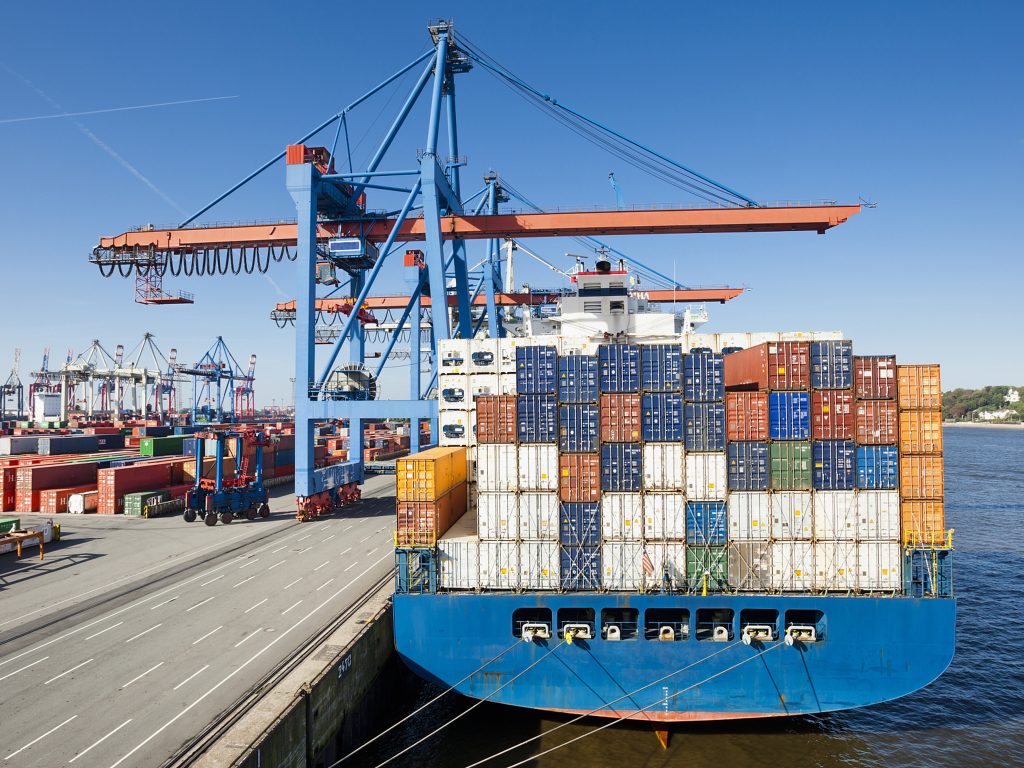
China Freight Forwarding 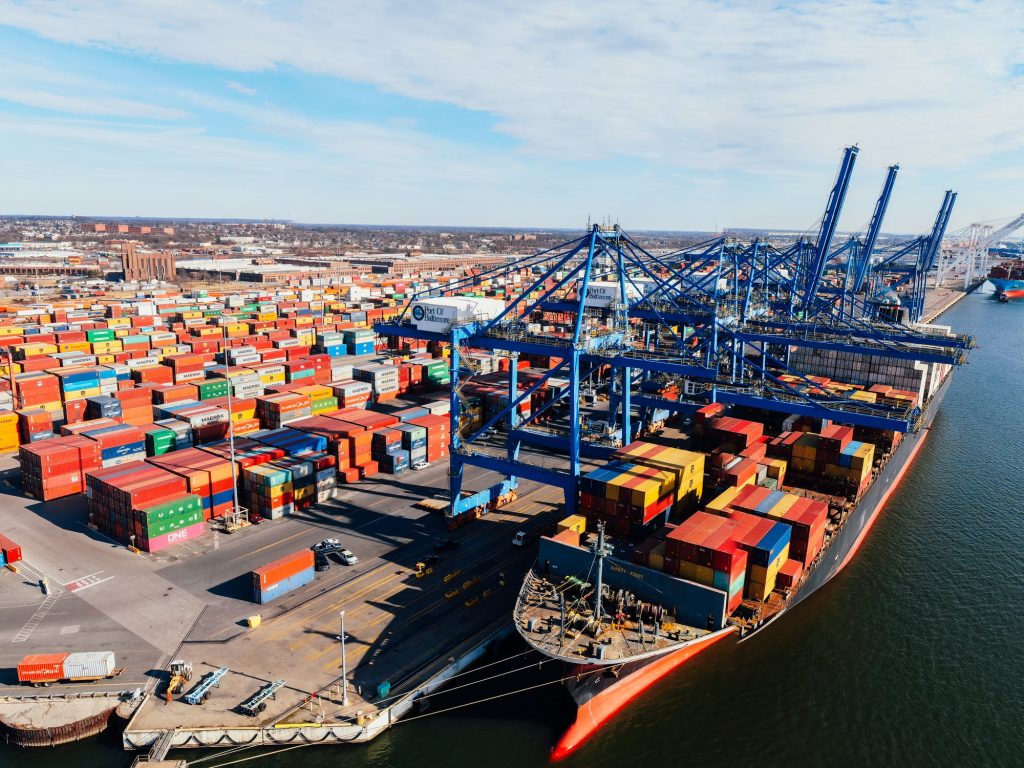
China Freight Forwarding
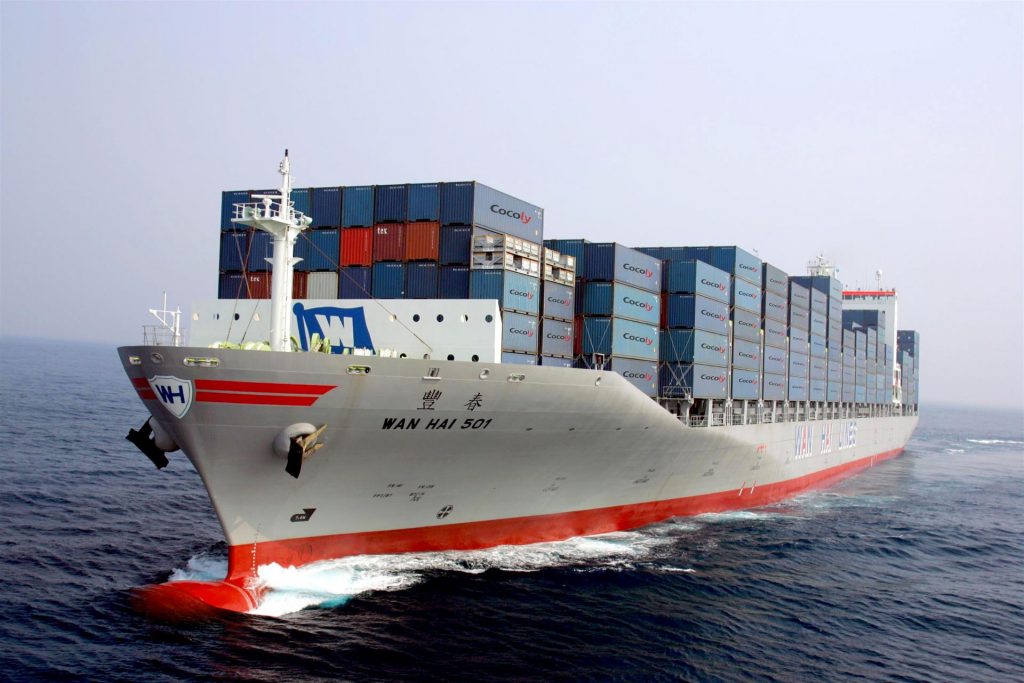
Shipping large volumes of goods from China requires careful planning and reliable logistics. China sea freight forwarding for bulk shipments is a cost-effective solution for businesses that need to transport significant quantities internationally. Sea freight remains the most economical method for heavy or bulky cargo, providing flexibility, safety, and scalability for companies of all sizes.
Why Businesses Choose Sea Freight for Bulk Shipments
- Cost-Effective Solution – Sea freight is significantly cheaper than air freight, especially for large volumes.
- Capacity for Large Cargo – Ships can handle tons of products in full containers (FCL) or share containers (LCL) efficiently.
- Global Reach – Major Chinese ports like Shanghai, Shenzhen, Ningbo, and Guangzhou connect to ports worldwide.
- Safe and Secure Transport – Modern vessels, container tracking, and professional handling reduce the risk of damage.
- Environmentally Friendly – Sea freight has a lower carbon footprint per ton compared to air freight.
Key Services Offered by China Sea Freight Forwarders
- Full Container Load (FCL)
- Best for large shipments that fill an entire container.
- Offers greater security and cost-efficiency per unit.
- Ideal for heavy machinery, electronics, furniture, and bulk consumer goods.
- Less than Container Load (LCL)
- Suitable for smaller shipments that don’t require a full container.
- Forwarders consolidate multiple LCL shipments into one container to optimize space and cost.
- Customs Clearance
- Forwarders handle all export documentation, duties, and taxes in China.
- Import customs in the destination country is also managed to avoid delays.
- Door-to-Port or Port-to-Door Services
- Pickup from the supplier and delivery to the shipping port, or full door-to-door delivery depending on business needs.
- Cargo Insurance
- Provides coverage for loss, damage, or delays during sea transport.
- Tracking and Reporting
- Real-time container tracking ensures businesses can monitor shipments from origin to destination.
Advantages of Working with a Sea Freight Forwarder
- Expertise in International Shipping – Forwarders understand global regulations, HS codes, and customs requirements.
- Optimized Shipping Routes – Experienced forwarders select the fastest and most cost-effective routes for bulk shipments.
- Consolidation Services – Combining LCL shipments reduces costs for smaller businesses.
- Risk Management – Forwarders offer insurance and professional handling to minimize potential damage.
- Time and Resource Savings – Businesses can focus on operations instead of logistics coordination.
Tips for Optimizing Bulk Sea Freight Shipments
- Plan in Advance – Schedule shipments ahead of time to secure better rates and avoid peak season surcharges.
- Choose the Right Container Type – Standard containers, refrigerated containers, or open-top containers depending on cargo type.
- Proper Packaging – Ensure goods are packaged securely to withstand long transit times.
- Labeling and Documentation – Accurate labeling and proper paperwork prevent customs delays.
- Negotiate Rates – Work with freight forwarders to get competitive pricing, especially for repeated shipments.
Case Study Example
A European home appliance company regularly imports washing machines and kitchen equipment from Shanghai. By partnering with a China sea freight forwarder, they utilized FCL shipments for large orders and LCL for smaller batches. The forwarder handled all documentation, customs clearance, and provided door-to-door delivery. The result: 25% cost savings, reduced delays, and reliable supply for European customers.
FAQ
Q1: How long does sea freight from China to Europe take?
A1: Transit times range from 25–45 days depending on the port of origin and destination.
Q2: What is the difference between FCL and LCL shipments?
A2: FCL (Full Container Load) is for shipments that occupy an entire container, while LCL (Less than Container Load) shares container space with other shipments.
Q3: Are there restrictions on goods shipped via sea freight?
A3: Yes, some hazardous or restricted items require special permits. Forwarders ensure compliance with export regulations.
Q4: How can I reduce sea freight costs for bulk shipments?
A4: Consolidate shipments, optimize packaging, and work with experienced forwarders to negotiate competitive rates.
Q5: Is cargo insurance necessary for sea freight?
A5: While optional, insurance is highly recommended for valuable or fragile goods due to long transit times.
Conclusion
China sea freight forwarding for bulk shipments offers businesses an affordable, reliable, and scalable solution for international shipping. By partnering with a professional forwarder, companies can ensure safe transport, timely delivery, and cost savings. Whether using FCL or LCL, sea freight provides flexibility to meet the unique needs of different industries and business sizes, making it the preferred choice for exporting large quantities of goods from China to the global market.


