China Freight Forwarding 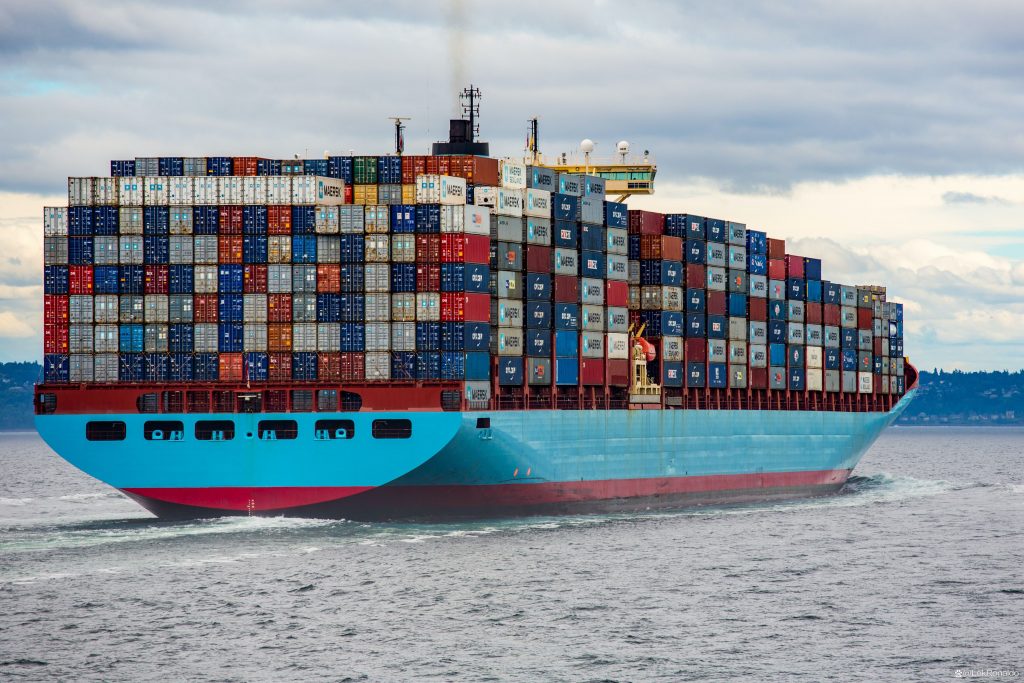
China Freight Forwarding 
China Freight Forwarding
Best China Cargo Forwarder for E-commerce Export
Introduction
E-commerce businesses are booming globally, and many entrepreneurs rely on products sourced from China. However, navigating international logistics can be challenging, especially for small and medium-sized online stores. Choosing the best China cargo forwarder for e-commerce export ensures that your products are shipped efficiently, cost-effectively, and with minimal delays. A reliable cargo forwarder helps you focus on growing your online business rather than worrying about shipping logistics.
Why E-commerce Businesses Need a Specialized Cargo Forwarder
- Complex Supply Chains – E-commerce exports often involve multiple suppliers, small shipments, and frequent orders. A specialized cargo forwarder manages these efficiently.
- Customs and Compliance Expertise – E-commerce shipments must comply with both Chinese export regulations and import rules in the destination country. Forwarders handle documentation, duties, and taxes.
- Fast Delivery Expectations – Online customers expect fast shipping. Experienced cargo forwarders offer options like air freight, express shipping, and consolidated logistics to meet deadlines.
- Inventory and Fulfillment Support – Some forwarders offer warehousing and order consolidation, helping e-commerce sellers manage stock and streamline distribution.
Key Services Offered by E-commerce Cargo Forwarders
- Air Freight for Urgent Orders
Air freight provides quick delivery for high-demand products. Forwarders handle airport pickup, customs clearance, and last-mile delivery. - Sea Freight for Bulk Shipments
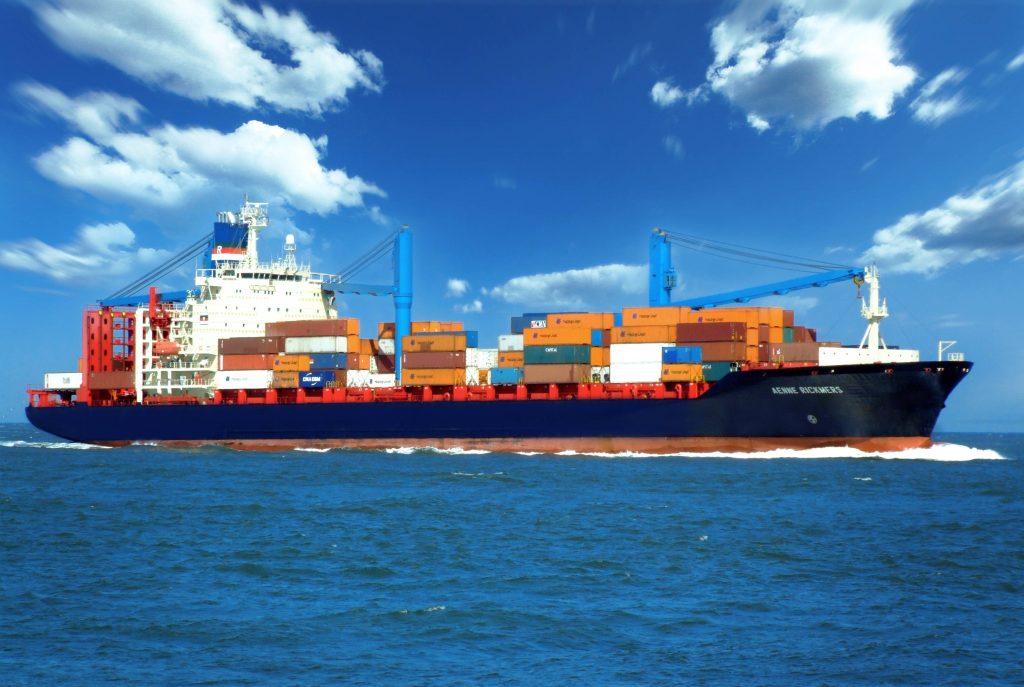
Sea freight is cost-effective for large shipments. Forwarders consolidate small parcels into containers (LCL – Less than Container Load) or arrange full containers (FCL) for bigger orders. - Express Courier Integration
Integration with DHL, FedEx, UPS, and other international couriers ensures fast parcel delivery, tracking, and reliability for small e-commerce orders. - Customs Clearance and Documentation
Handling HS codes, export declarations, and import taxes ensures that shipments reach customers without unnecessary delays or fines. - Warehouse and Fulfillment Services
Forwarders may offer storage solutions in China or in destination countries, allowing sellers to ship on demand and reduce shipping costs. - Cargo Insurance and Risk Management
Protects shipments from damage, theft, or loss during transport, giving e-commerce sellers peace of mind.
How to Choose the Best China Cargo Forwarder for E-commerce
- Experience in E-commerce Export – Look for forwarders familiar with e-commerce platforms like Amazon, eBay, or Shopify.
- Competitive Pricing – Affordable rates without compromising service quality are crucial for small and medium online businesses.
- Transparent Communication – Real-time updates, tracking information, and clear answers to queries are essential.
- Custom Solutions – Forwarders who provide flexible shipping, consolidation, and fulfillment options are ideal for diverse product lines.
- Legal Accreditation – Ensure the forwarder is licensed, accredited, and compliant with international shipping standards.
Benefits for E-commerce Businesses
- Reduced Operational Costs – Cost-effective shipping and consolidation help maintain competitive product pricing.
- Improved Delivery Times – Fast, reliable logistics enhances customer satisfaction and positive reviews.
- Simplified International Shipping – Forwarders manage all documentation, customs, and carrier coordination.
- Scalability for Growth – Flexible logistics solutions allow e-commerce businesses to scale operations without logistical bottlenecks.
Case Study Example
An e-commerce store selling home accessories on Amazon US partnered with a China cargo forwarder specializing in e-commerce export. The forwarder consolidated multiple small supplier shipments into one container, handled customs clearance, and coordinated air freight for urgent orders. The result: 30% lower shipping costs, faster delivery times, and increased customer satisfaction.
Tips to Maximize Efficiency
- Plan Shipments in Advance – Avoid last-minute shipping fees by scheduling deliveries ahead of time.
- Use Consolidation Wisely – Combine smaller shipments to save on shipping cost per unit.
- Monitor Performance – Track delivery times, damages, and service quality to evaluate your forwarder’s performance.
- Maintain Clear Communication – Share your e-commerce platform requirements and shipping schedules with the forwarder.
- Leverage Technology – Use forwarders that provide online tracking, automated customs documentation, and integration with marketplaces for smoother operations.
FAQ
Q1: What is the difference between FCL and LCL for e-commerce exports?
A1: FCL (Full Container Load) is suitable for large shipments; LCL (Less than Container Load) allows multiple small shipments to share container space, reducing costs.
Q2: Can a cargo forwarder help with Amazon FBA shipments?
A2: Yes, experienced forwarders handle FBA requirements, labeling, and shipping directly to Amazon fulfillment centers.
Q3: How do I reduce shipping costs for small e-commerce orders?
A3: Consolidate parcels, optimize packaging, and choose slower but cheaper shipping options like sea freight for bulk items.
Q4: Are there restrictions on products for export from China?
A4: Yes, some items may require licenses or special permits. A forwarder ensures compliance with export regulations.
Q5: Is it necessary to buy shipping insurance for e-commerce exports?
A5: While optional, insurance is recommended for valuable goods to protect against loss or damage.
Conclusion
Selecting the best China cargo forwarder for e-commerce export is a strategic decision that can significantly impact your online business. By choosing a forwarder experienced in e-commerce logistics, offering competitive pricing, and providing flexible services, sellers can reduce costs, improve delivery times, and enhance customer satisfaction. Efficient freight forwarding allows e-commerce businesses to focus on growth, marketing, and product expansion rather than shipping challenges.


