China-Tuvalu Freight Forwarding: Mastering Ultra-Remote Logistics to Sustain a Low-Lying Island Nation Nestled in the heart of the South Pacific, Tuvalu—comprising nine coral atolls spanning just 26 square kilometers of land—stands as one of the world’s most geographically isolated and environmentally vulnerable nations. With a population of fewer than 12,000 spread across four habitable atolls (Funafuti, Nanumea, Niutao, and Nui), Tuvalu’s economy hinges on imports: from staple foods and construction materials to renewable energy gear and medical supplies. As China deepens its engagement with this tiny Pacific state—supplying critical goods to support resilience, development, and daily life—specialized freight forwarders have emerged as the unsung architects of this vital connection. These logistics experts navigate unprecedented challenges to ensure Tuvalu’s shelves stay stocked, its homes withstand storms, and its people thrive amid climate threats.
Why Tuvalu Demands Hyper-Specialized Freight Expertise
Tuvalu’s logistics landscape defies convention. Its atolls lack deep-water ports, paved roads, or large airstrips. The primary entry point is Funafuti Atoll’s tiny wharf, accessible only by shallow-draft vessels, and even this is prone to flooding during high tides—a grim preview of the nation’s vulnerability to rising sea levels. Beyond Funafuti, delivering goods to outer islands like Nanumea or Niutao requires small boats, unreliable airstrips, or footpaths. Compounding these hurdles are:
- Climate Vulnerability: Cyclones (November–April) and king tides regularly disrupt shipping and damage infrastructure.
- Strict Biosecurity: To protect its limited biodiversity, Tuvalu enforces rigorous checks on plant, animal, and soil imports.
- Limited Infrastructure: Funafuti’s wharf can only accommodate small vessels, forcing most cargo to transship via larger hubs like Fiji’s Suva or New Zealand’s Auckland.
Chinese exports to Tuvalu are purposeful and urgent:
- Climate Resilience: Solar panels, battery storage, and storm-resistant building materials to fortify homes against cyclones.
- Food Security: Rice, canned goods, and drought-resistant seeds to reduce reliance on expensive, imported staples.
- Essential Services: Medical kits, water purification systems, and solar-powered refrigeration for vaccines.
- Infrastructure: Prefabricated classroom modules and solar streetlights to support education and public services.
Each shipment demands precision. Solar panels, for example, require shock-proof packaging to survive long voyages and rough handling. Perishable foods need climate-controlled transit to prevent spoilage. Meanwhile, Tuvalu’s customs and biosecurity rules—overseen by the Department of Environment and the Tuvalu Customs Office—mandate detailed documentation, fumigation certificates, and pre-approval for sensitive goods. Without local expertise, delays, spoilage, or outright rejections threaten supply chains.
Navigating the Journey: Modes of Transport and Strategic Coordination
Nearly all China-Tuvalu trade relies on maritime shipping, with air freight reserved for emergencies. Here’s how freight forwarders engineer success:
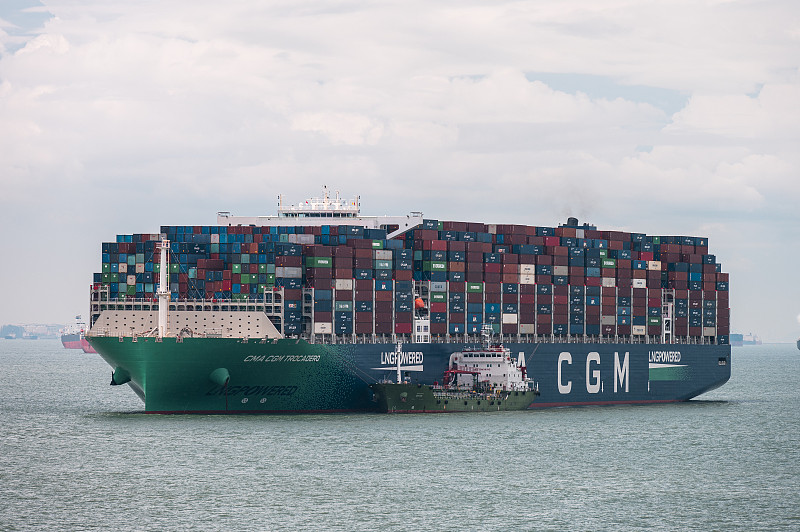
- Ocean Freight: The Only Viable Lifeline Cargo departs from Chinese ports (Shanghai, Guangzhou, or Auckland for consolidation) bound for Suva or Auckland, where it is transshipped onto smaller “feeder vessels” capable of reaching Tuvalu’s shallow waters. Forwarders specialize in:
- Feeder Vessel Management: Securing space on regional carriers (e.g., Pacific Direct Line) and negotiating priority berthing to minimize layovers. They also oversee lightering—transferring cargo from large feeders to small, shallow-draft boats for the final leg to Funafuti’s wharf.
- Container Customization: Using 20-foot “high-cube” containers to maximize space while fitting Tuvalu’s limited wharf capacity. Shock-absorbent liners and moisture-control systems protect fragile goods like solar inverters or medical equipment.
- Bulk & Break-Bulk Solutions: For construction materials (e.g., cement, lumber), forwarders arrange bulk carriers with supervised loading to prevent contamination. Oversized items like prefabricated panels ship as break-bulk cargo, secured with custom bracing to avoid damage.
- Air Freight: A Last Resort for Emergencies Urgent shipments—such as emergency medical supplies or cyclone relief—rely on air cargo. Forwarders partner with carriers like Fiji Airways or Air New Zealand to:
- Leverage Transit Hubs: Route cargo through Nadi (Fiji) to Funafuti International Airport, a small facility handling limited cargo. They prioritize express clearance, often coordinating with Tuvaluan authorities before takeoff to fast-track landing and inspection.
- Temperature-Controlled Handling: For medical supplies or vaccines, forwarders use insulated containers and real-time temperature monitoring to ensure viability.
The Forwarder’s Role: Solving Tuvalu’s Unique Challenges
Success in China-Tuvalu freight hinges on mastering three non-negotiable areas:
- Last-Mile Delivery to Outer Atolls Once cargo reaches Funafuti, distributing goods to Nanumea or Niutao requires local ingenuity. Forwarders collaborate with Tuvalu’s National Public Works Department, community boat operators, and village councils to coordinate handoffs. Some maintain small, climate-controlled storage units in Funafuti to hold goods until boats are available, preventing spoilage during delays.
- Regulatory Compliance and Biosecurity Tuvalu’s biosecurity laws are strict: untreated timber, unprocessed plant matter, or uncertified food products are routinely rejected. Forwarders pre-advise clients on restrictions—e.g., requiring phytosanitary certificates for wooden furniture or fumigation for agricultural tools—and work with local clearing agents to streamline inspections. They also audit documentation for accuracy, ensuring compliance with Tuvalu’s Customs Regulation Act and import licensing rules.
- Climate Resilience and Risk Mitigation Cyclones and flooding frequently disrupt operations. Proactive forwarders monitor the Pacific Met Desk for storm forecasts, advising clients to delay non-urgent shipments during peak cyclone season (December–March). They also offer tailored insurance, covering loss from water exposure, theft, or transit delays, and recommend climate-resilient packaging (e.g., sealed, waterproof crates) for sensitive goods.
Choosing a Partner: What Exporters Should Prioritize
Selecting a freight forwarder for China-Tuvalu trade demands focus on four criteria:
- Hyper-Local Connections: Partnerships with Tuvaluan logistics firms, community leaders, and government agencies (e.g., Tuvalu Ports Authority) ensure cultural fluency and smooth last-mile delivery.
- Transshipment Mastery: Experience navigating Suva/Auckland hubs to minimize delays and damage during cargo transfers.
- Regulatory Fluency: Deep knowledge of Tuvalu’s biosecurity, customs, and import laws to avoid fines or rejections.
- Climate Adaptability: Expertise in designing cyclone-resilient supply chains, from packaging to delivery timing.
The Future: A Small Nation, Big Ambitions
Tuvalu’s $300 million annual import market, paired with its commitment to climate resilience and sustainable development, signals steady demand for Chinese imports. As Tuvalu expands its solar energy grid, upgrades schools and clinics, and invests in climate-adaptive agriculture, demand for specialized freight solutions will surge. For Chinese exporters, partnering with a forwarder who blends global logistics expertise with hyper-local insight is no longer optional—it’s strategic. In this remote Pacific atoll nation, freight forwarding transcends transportation; it’s about safeguarding a way of life. By solving logistical impossibilities, ensuring regulatory compliance, and fostering trust, these partners ensure Chinese goods not only reach Tuvalu’s shores but also empower its people to face the future with resilience. In the end, the story of China-Tuvalu trade is one of connection—bridging oceans, cultures, and crises. And at the heart of that connection are the freight forwarders, turning distance into opportunity and vulnerability into strength.


