China-Wallis and Futuna Freight Forwarding: Mastering Remote Island Logistics to Sustain a French Pacific Territory Straddling the turquoise waters of the South Pacific, Wallis and Futuna—two volcanic islands (Uvea and Futuna) and a smattering of smaller islets—embody the allure of Polynesian isolation. A French overseas collectivity with a population of just 11,000, this remote territory relies heavily on imports to sustain its subsistence economy, growing tourism sector, and community development. As China emerges as a key supplier of goods—from construction materials and agricultural tools to food staples and renewable energy equipment—the unsung heroes enabling this connection are specialized freight forwarders. These logistics experts navigate the archipelago’s extreme geographic isolation, fragile infrastructure, and complex regulatory landscape to ensure Wallis and Futuna’s shelves stay stocked, its homes are built, and its cultural heritage thrives amid global trade.
Why Wallis and Futuna Demands Hyper-Localized Freight Expertise
Wallis and Futuna’s logistics challenges start with geography. Uvea (the larger, more populated island) and Futuna are separated by 230 kilometers of open ocean, with no direct flights or seaports linking them. Both islands lack deep-water harbors; Uvea’s main port, Mata Utu, is a shallow-draft facility vulnerable to swells and cyclones. Beyond these ports, reaching outer villages requires small boats, unsealed coastal roads, or footpaths. Compounding these hurdles are:
- French Regulatory Overlays: As a French territory, Wallis and Futuna enforces EU-derived biosecurity, customs, and import laws, adding layers of compliance to already complex Pacific trade.
- Climate Vulnerability: Tropical cyclones (November–April) and king tides frequently disrupt shipping, damaging infrastructure and delaying deliveries.
- Limited Infrastructure: Storage facilities in Mata Utu are scarce, and freight handling relies on manual labor or outdated equipment, raising the risk of damage to sensitive cargo.
Chinese exports to Wallis and Futuna are tailored to local needs:
- Development Essentials: Cement, steel, and prefabricated panels to rebuild homes and community centers damaged by cyclones.
- Food Security: Rice, canned goods, and vegetable seeds to supplement limited local agriculture.
- Tourism Growth: Furniture, solar-powered lighting, and water purification systems to support eco-lodges and beachfront resorts.
- Medical Supplies: Basic pharmaceuticals, first-aid kits, and solar refrigeration units for vaccines.
Each shipment demands precision. Bulk cement requires moisture-resistant packaging to prevent clumping during long voyages. Perishable foods need climate-controlled transit to avoid spoilage. Meanwhile, Wallis and Futuna’s biosecurity rules—overseen by the Direction de l’Environnement—ban untreated plant matter and require fumigation certificates for animal products, demanding meticulous documentation.
Navigating the Journey: Modes of Transport and Strategic Coordination
Nearly all China-Wallis and Futuna trade relies on maritime shipping, with air freight reserved for emergencies. Here’s how freight forwarders engineer seamless transit:
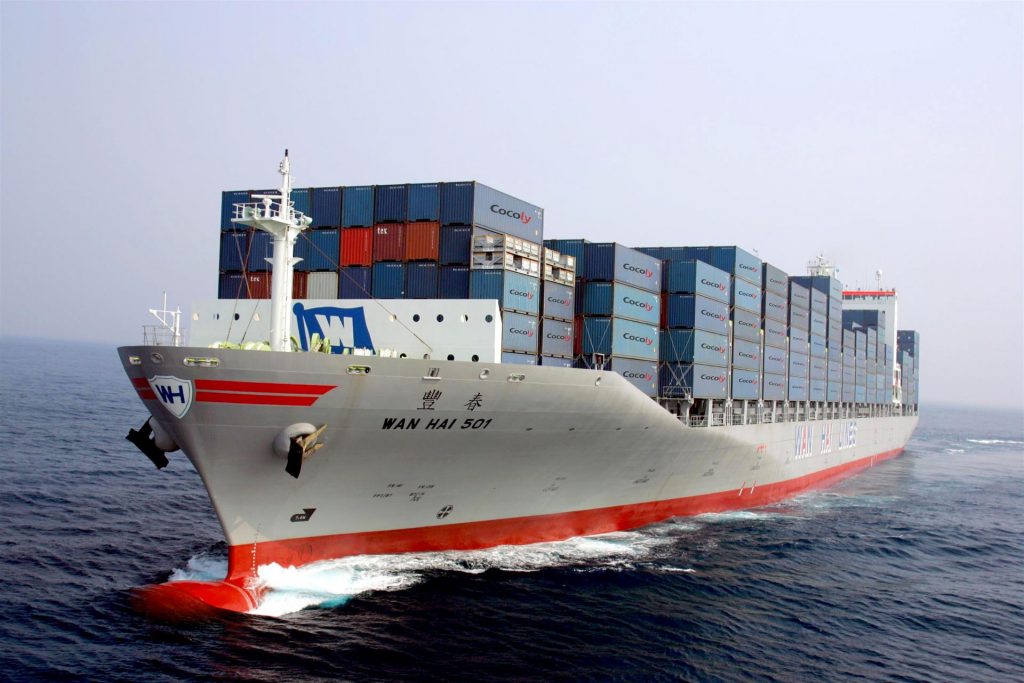
- Ocean Freight: The Primary Lifeline Cargo departs from Chinese ports (Shanghai, Guangzhou, or Auckland for consolidation) bound for Papeete, Tahiti (French Polynesia), or Auckland, New Zealand—key transit hubs for French Pacific territories. Forwarders specialize in:
- Feeder Vessel Coordination: Securing space on regional carriers (e.g., Sofrana Lines) that connect to Wallis and Futuna via Papeete. They negotiate priority berthing to minimize layovers and oversee lightering—transferring cargo from large feeders to small, shallow-draft boats for the final 50-kilometer leg to Mata Utu.
- Container Customization: Using 20-foot “reefer” containers for perishables and shock-absorbent liners for fragile goods like solar panels. They also avoid overloading to prevent damage during manual unloading at Mata Utu’s wharf.
- Break-Bulk Solutions: For oversized items (e.g., tractors, construction tools), forwarders arrange break-bulk shipping with custom bracing to secure cargo, reducing the risk of shifting in rough seas.
- Air Freight: Critical for Time-Sensitive Needs Urgent shipments—emergency medical supplies or cyclone relief—rely on air cargo. Forwarders partner with Air France or Air Tahiti Nui to:
- Leverage Transit Hubs: Route cargo through Papeete or Auckland to Wallis and Futuna’s small airport (Hihifo, Uvea), which handles limited cargo. They coordinate with local authorities before takeoff to fast-track landing and inspection.
- Temperature-Controlled Handling: For medical supplies, forwarders use insulated crates and real-time GPS trackers to monitor conditions, ensuring viability upon arrival.
The Forwarder’s Role: Solving Wallis and Futuna’s Unique Challenges
Success in this corridor hinges on mastering three critical areas:
- Last-Mile Distribution Across Islands Once cargo reaches Mata Utu, delivering goods to Futuna or remote Uvean villages requires local partnerships. Forwarders work with Wallis and Futuna’s public transport authority (STUR) and community boat operators to schedule handoffs. Some maintain small, climate-controlled storage units in Mata Utu to hold goods until boats or flights to Futuna are available, preventing spoilage during delays.
- Regulatory Compliance and Biosecurity Wallis and Futuna’s dual French-Polynesian regulations demand vigilance. Forwarders pre-advise clients on restrictions—e.g., banning untreated timber or requiring certificates for dairy imports—and liaise with local clearing agents to streamline inspections. They also audit documentation for accuracy, ensuring compliance with French customs codes and Wallis and Futuna’s import licensing rules.
- Climate Resilience and Risk Mitigation Cyclones and flooding are perennial threats. Proactive forwarders monitor Météo-France forecasts, advising clients to delay non-urgent shipments during peak cyclone season (December–March). They also offer tailored insurance, covering loss from water exposure, theft, or transit delays, and recommend cyclone-resistant packaging (e.g., sealed, metal-reinforced crates) for sensitive goods.
Choosing a Partner: What Exporters Should Prioritize
Selecting a freight forwarder for China-Wallis and Futuna trade demands focus on four criteria:
- Hyper-Local Connections: Partnerships with Wallisian and Futunan logistics firms, community leaders, and government agencies (e.g., Wallis and Futuna Customs) ensure cultural fluency and smooth last-mile delivery.
- Transshipment Mastery: Experience navigating Papeete/Auckland hubs to minimize delays and damage during cargo transfers.
- Regulatory Fluency: Deep knowledge of French-Polynesian biosecurity, customs, and import laws to avoid fines or rejections.
- Sustainability Commitment: Offering low-emission shipping options or carbon offsets to align with Wallis and Futuna’s goal of reducing fossil fuel dependence.
The Future: A Small Territory, Big Potential
Wallis and Futuna’s $200 million annual import market, paired with its focus on sustainable tourism and climate resilience, signals steady demand for Chinese imports. As the territory expands its eco-lodge network, upgrades agricultural productivity (with solar-powered irrigation), and invests in renewable energy (small wind turbines, solar farms), demand for specialized freight solutions will surge. For Chinese exporters, partnering with a forwarder who blends global logistics expertise with hyper-local insight is no longer optional—it’s strategic. In this remote Pacific archipelago, freight forwarding transcends transportation; it’s about sustaining a way of life. By solving logistical impossibilities, ensuring regulatory compliance, and fostering trust, these partners ensure Chinese goods not only reach Wallis and Futuna’s shores but also empower its people to preserve their culture and thrive amid global change. In the end, the story of China-Wallis and Futuna trade is one of connection—bridging oceans, cultures, and isolation. And at the heart of that connection are the freight forwarders, turning distance into opportunity and remoteness into resilience.


