China-Tonga Freight Forwarding: Navigating the Pacific’s Hidden Gem to Fuel Island Growth Nestled in the heart of the South Pacific, the Kingdom of Tonga—176 islands scattered across 700,000 square kilometers of ocean—blends ancient Polynesian culture with a rapidly modernizing economy. Once isolated by its remoteness, Tonga now stands at a crossroads, driven by ambitious development goals, a growing tourism sector, and rising demand for imported goods. As China solidifies its role as Tonga’s key trade partner—supplying everything from construction materials and agricultural machinery to consumer electronics and medical supplies—the unsung architects of this connection are specialized freight forwarders. These logistics experts tackle the archipelago’s unique challenges, transforming complex supply chains into lifelines that sustain Tonga’s progress.
Why China-Tonga Trade Demands Precision Logistics
Tonga’s geography is both its charm and its logistical hurdle. With only 36 of its islands inhabited, and most lacking deep-water ports or paved roads, over 80% of imports converge on Nuku’alofa, the capital’s busy harbor on Tongatapu Island. Beyond this hub, delivering goods to outer islands like Ha’apai or Vava’u requires navigating small boats, unsealed airstrips, or rugged coastal paths. Seasonal cyclones (November–April) further disrupt shipping, while Tonga’s strict biosecurity laws—aimed at protecting its fragile marine and terrestrial ecosystems—add layers of regulatory complexity. Chinese exports to Tonga are purpose-driven:
- Infrastructure & Development: Cement, steel, and prefabricated building materials to rebuild homes, schools, and roads damaged by cyclones.
- Agriculture & Food Security: Farm equipment, irrigation systems, and drought-resistant seeds to boost local food production.
- Tourism & Hospitality: Furniture, appliances, and renewable energy gear (solar panels, batteries) to support Tonga’s growing eco-tourism industry.
- Essentials: Rice, cooking oil, and hygiene products to supplement local subsistence farming and reduce reliance on expensive imports.
Each shipment demands tailored handling. Bulk cement, for instance, requires moisture-resistant containers to prevent clumping during long ocean voyages. Perishable goods like fruits or dairy need rapid transit and climate-controlled storage. Meanwhile, Tonga’s customs protocols—coupled with biosecurity checks by the Ministry of Agriculture, Food, Forests and Fisheries—demand meticulous documentation, from phytosanitary certificates for plant-based products to safety approvals for electrical goods. Without local expertise, delays, spoilage, or costly rejections loom large.
Maritime Dominance: Orchestrating the Journey from China to Tonga
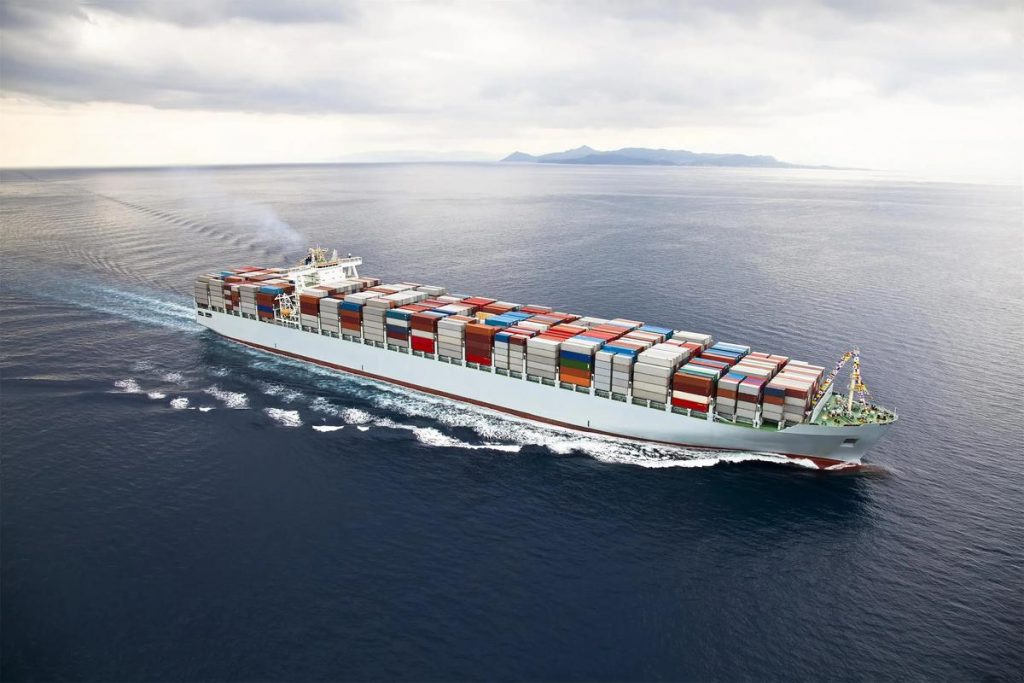
Nearly 90% of China-Tonga trade moves by sea, with air freight reserved for emergencies. Here’s how freight forwarders engineer seamless transit:
- Ocean Freight: The Backbone Most cargo departs from Chinese ports (Shanghai, Shenzhen, or Auckland, NZ, for consolidation) en route to Nuku’alofa. Given limited direct shipping services, forwarders specialize in:
- Feeder Vessel Coordination: Securing space on regional carriers that connect to Tonga via transshipments in Auckland or Suva, Fiji. They negotiate slot priorities to minimize layover times and reduce damage risks during lightering (cargo transfer from larger ships to smaller Tongan-bound vessels).
- Container Customization: Opting for 20-foot containers to fit Nuku’alofa’s wharf capacity and using shock-absorbent padding to protect fragile goods like electronics or glassware.
- Bulk & Break-Bulk Solutions: For construction materials or agricultural equipment, forwarders arrange bulk carriers with supervised loading to ensure stability in rough seas, and break-bulk services for oversized items like tractors or solar panel arrays.
- Air Freight: Critical for Time-Sensitive Cargo Urgent shipments—medical supplies, emergency spare parts, or high-value electronics—rely on air cargo. Forwarders partner with carriers like Air New Zealand or Fiji Airways to:
- Leverage Transit Hubs: Route cargo through Auckland or Nadi (Fiji) to Nuku’alofa International Airport, prioritizing express clearance for time-critical goods.
- Pre-Clear Documentation: Submit customs forms and biosecurity permits to Tongan authorities before arrival, slashing clearance times from 10–14 days to 4–6.
The Forwarder’s Toolkit: Solving Tonga’s Unique Challenges
Success in China-Tonga freight hinges on mastering three non-negotiable areas:
- Last-Mile Distribution to Outer Islands Once cargo reaches Nuku’alofa, reaching Ha’apai or Vava’u requires local ingenuity. Forwarders collaborate with Tonga’s National Road Authority, private boat operators, and community cooperatives to coordinate deliveries. Some even maintain small warehouses in Nuku’alofa to consolidate shipments, reducing handling costs and ensuring goods reach remote villages on schedule.
- Regulatory Compliance and Biosecurity Tonga’s biosecurity laws are among the Pacific’s strictest, prohibiting uninspected plant/animal products and mandating fumigation for certain goods. Forwarders pre-advise clients on restrictions—e.g., banning untreated timber or requiring certificates for meat imports—and work with local clearing agents to streamline inspections. They also audit documentation for accuracy, ensuring compliance with Tonga’s Customs Act and import licensing rules.
- Climate Resilience and Risk Mitigation Cyclones and king tides frequently disrupt shipping. Proactive forwarders monitor Pacific Meteorological Services forecasts, advising clients to avoid peak cyclone seasons for non-urgent shipments or reroute cargo via Fiji if Nuku’alofa’s wharf is damaged. They also offer tailored insurance, covering loss from water exposure, theft, or transit delays.
Choosing a Partner: What Exporters Should Look For
Selecting a freight forwarder for China-Tonga trade requires focus on four criteria:
- Local Embedding: Partnerships with Tongan logistics firms, community leaders, and government agencies (e.g., Tonga Ports Authority) ensure cultural fluency and smooth last-mile delivery.
- Transshipment Expertise: Experience navigating Auckland/Suva hubs to minimize delays and damage during cargo transfers.
- Regulatory Mastery: Deep knowledge of Tonga’s biosecurity, customs, and import laws to avoid fines or rejections.
- Sustainability Alignment: Offering low-emission shipping options or carbon offsets to support Tonga’s goal of 100% renewable energy by 2030.
The Future: A Growing Market, Endless Opportunities
Tonga’s $500 million annual import market, paired with China’s commitment to South Pacific development (via initiatives like the Belt and Road), signals robust growth. As Tonga expands its tourism infrastructure (new resorts, upgraded airports), invests in renewable energy (solar farms, battery storage), and boosts agricultural productivity (greenhouses, irrigation systems), demand for specialized freight solutions will surge. For Chinese exporters, partnering with a forwarder who blends global logistics prowess with hyper-local insight is no longer optional—it’s strategic. In this Pacific archipelago, freight forwarding transcends transportation; it’s about enabling resilience. By solving logistical puzzles, ensuring regulatory compliance, and fostering trust, these partners ensure Chinese goods not only reach Tonga’s shores but also fuel its journey toward prosperity. In the end, the story of China-Tonga trade is one of connection—bridging oceans, cultures, and economies. And at the heart of that connection are the freight forwarders, turning distance into opportunity and remoteness into possibility.


