China-Tokelau Freight Forwarding: Mastering Remote Island Logistics to Sustain a Tiny Pacific Nation Nestled in the vast South Pacific, Tokelau—a New Zealand-administered territory of three coral atolls (Atafu, Nukunonu, and Fakaofo)—is one of the world’s most remote inhabited places. With a population of just over 1,500 and no natural harbor, limited air links, and no seaport, Tokelau’s isolation would seem insurmountable for global trade. Yet, as this tiny nation grows its subsistence economy, rebuilds infrastructure, and caters to a small but rising tourism sector, demand for imported goods—from construction materials and medical supplies to food and renewable energy equipment—has climbed. Enter China, a key supplier of these essentials, and the unsung heroes bridging this gap: specialized freight forwarders. These logistics experts navigate unprecedented challenges to ensure Tokelau’s shelves stay stocked, its homes are built, and its future stays connected.
Why Tokelau Demands Hyper-Specialized Freight Expertise
Tokelau’s geography is its greatest challenge—and its defining feature. Scattered across 12 square kilometers of ocean, its atolls lack paved roads, deep-water ports, or large airstrips. The only viable entry point is Fakaofo Atoll’s small wharf, accessible only by shallow-draft vessels, and Funafuti’s airport in Tuvalu (a 2-hour flight away) for air cargo. Worse, Tokelau’s remote location means most shipments must transit through Auckland, New Zealand, or Suva, Fiji—adding days of handling, potential delays, and complex transshipment logistics. Chinese exports to Tokelau are practical and purposeful:
- Construction Materials: Cement, steel, and prefabricated panels for rebuilding homes and community centers damaged by cyclones.
- Essential Goods: Rice, canned foods, cooking oil, and hygiene products to supplement local subsistence farming and fishing.
- Renewable Energy Gear: Solar panels, batteries, and small wind turbines to reduce reliance on diesel generators.
- Medical Supplies: Vaccines, basic pharmaceuticals, and diagnostic tools for Tokelau’s small hospital.
Each shipment demands precision. Bulk cement, for example, requires leak-proof containers to avoid contamination during transshipment. Perishables like fruits or vegetables need rapid transit and climate-controlled storage. Meanwhile, Tokelau’s strict biosecurity rules—aimed at protecting its fragile marine ecosystems—mandate fumigation certificates, phytosanitary approvals, and detailed manifests, often requiring pre-clearance with New Zealand authorities due to its territorial status.
Navigating the Journey: Modes of Transport and Strategic Coordination
Nearly all China-Tokelau trade relies on maritime shipping, with air freight reserved for emergencies. Here’s how freight forwarders orchestrate the journey:
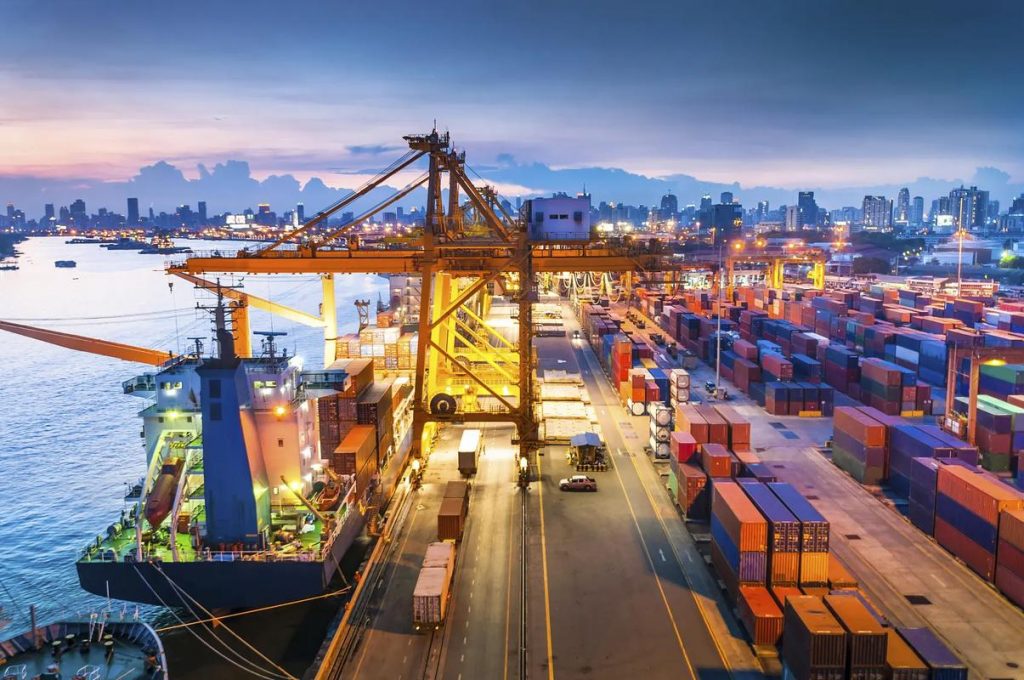
- Ocean Freight: The Lifeline Cargo departs from Chinese ports (Shanghai, Guangzhou, or Auckland, NZ, for consolidation) bound for Auckland, where it is transshipped onto smaller vessels or barges capable of navigating Tokelau’s shallow waters. Forwarders specialize in:
- Feeder Vessels: Coordinating with regional carriers to secure space on vessels making Tokelau runs (rare, with only a few monthly sailings).
- Container Optimization: Using smaller 20-foot containers to fit Tokelau’s limited wharf capacity and avoiding overloading to prevent damage during lightering (transferring cargo from ship to shore via small boats).
- Bulk Shipments: For construction materials, forwarders arrange bulk carriers with careful loading supervision to ensure stability in rough seas.
- Air Freight: For Urgent Needs Air cargo departs from Auckland or Fiji, landing in Funafuti (Tuvalu) before being trucked to Tokelau via inter-island ferries. Forwarders prioritize:
- Charter Flights: Negotiating with regional airlines (e.g., Air New Zealand, Fiji Airways) for ad-hoc cargo runs when time-sensitive supplies (e.g., medical emergency kits) are needed.
- Documentation Speed: Pre-filing customs forms with Tokelau’s administrator and New Zealand’s Ministry for Primary Industries to cut clearance times from weeks to days.
The Forwarder’s Role: Solving Tokelau’s Unique Logistics Puzzle
Success in China-Tokelau freight hinges on overcoming three non-negotiable hurdles:
- Last-Mile Delivery to Atolls Once cargo reaches Fakaofo’s wharf, distributing goods to Nukunonu and Atafu—each a 1–2 hour boat ride away—requires local partnerships. Forwarders work with Tokelau’s public service provider, Teletok, and community boat operators to coordinate handoffs, ensuring even remote villages receive their share. Some forwarders even pre-position small warehouses in Fakaofo to store goods until local boats are available.
- Regulatory Complexity Tokelau’s status as a New Zealand territory means dual compliance: New Zealand’s biosecurity laws (for goods transiting Auckland) and Tokelau’s own import restrictions (e.g., limits on single-use plastics, mandatory labeling in English and Tokelauan). Forwarders pre-advise clients on these rules, audit documentation for accuracy, and liaise with both New Zealand’s MPI and Tokelau’s customs officials to avoid hold-ups.
- Climate and Operational Risks Cyclones, king tides, and rough seas frequently disrupt shipping. Proactive forwarders monitor Pacific weather patterns, advise clients to avoid peak cyclone seasons (November–April) for non-urgent shipments, or reroute cargo via Fiji if Tokelau’s wharf is damaged. They also offer tailored insurance, covering loss from water exposure, theft, or transit delays.
Choosing a Partner: What Matters for China-Tokelau Trade
Exporters shipping to Tokelau should prioritize forwarders with:
- Deep Local Ties: Partnerships with Tokelau’s Teletok, local boat operators, and community leaders ensure smooth last-mile delivery and cultural sensitivity.
- Transshipment Mastery: Experience coordinating with Auckland/Suva hubs to minimize delays and damage during cargo transfers.
- Regulatory Fluency: Knowledge of New Zealand-Tokelau dual compliance to avoid fines or rejections.
- Sustainability Commitment: Aligning with Tokelau’s goal of carbon neutrality by offering low-emission shipping options or offset programs.
The Future: A Small Nation, Big Potential
Tokelau’s push to expand renewable energy, improve housing resilience, and grow tourism (targeting eco-tourists drawn to its pristine reefs) signals steady demand for Chinese imports. For businesses eyeing this niche market, a forwarder who blends global logistics expertise with hyper-local understanding is indispensable. In this remote corner of the Pacific, freight forwarding is more than moving boxes—it’s about sustaining a way of life. By solving logistical impossibilities, ensuring regulatory compliance, and fostering trust, these partners turn isolation into opportunity. For Chinese exporters, partnering with a specialized forwarder isn’t just a logistical choice; it’s an investment in Tokelau’s future—and a testament to global trade’s power to connect even the farthest corners of the world.


