China-Palau Freight Forwarding: Bridging Oceans to Power Island Trade Nestled in the western Pacific Ocean, the Republic of Palau—renowned for its pristine marine ecosystems and thriving tourism—has emerged as a niche yet growing market for Chinese exporters. As bilateral trade between China and Palau strengthens, driven by demand for Chinese-manufactured goods ranging from construction materials and electronics to daily necessities and tourism-related equipment, the role of specialized freight forwarders has become indispensable. These logistics partners navigate the unique challenges of connecting a major Asian supplier with a remote island nation, transforming complex supply chains into seamless pathways for commerce.
Why China-Palau Trade Needs Tailored Freight Expertise
Palau’s geography sets it apart: a chain of over 300 islands, with only eight permanently inhabited, and its main commercial hub—Koror—serving as the primary entry point for 90% of imports. This isolation, paired with limited domestic infrastructure (narrow roads, minimal rail networks, and reliance on maritime transport), demands freight solutions that go beyond standard global shipping protocols. Chinese exports to Palau are diverse: builders rely on cement, steel, and machinery for infrastructure projects; retailers stock up on household goods and electronics; and hotels source furniture, appliances, and food supplies. Each category carries distinct handling needs—from bulk cargo requiring secure containerization to perishables needing temperature-controlled transit. Compounding these demands are Palau’s strict biosecurity laws (to protect its fragile ecosystems) and customs regulations, which mandate precise documentation, product certifications, and inspections for many goods. Without local expertise, delays, fines, or even shipment rejections become significant risks.
Dominant Transport Modes and Strategic Coordination
Maritime shipping remains the backbone of China-Palau trade. Most cargo departs from Chinese ports like Shanghai, Ningbo, or Xiamen, traveling roughly 8,000 nautical miles to reach Koror Port. Freight forwarders here act as strategic planners, optimizing vessel selection based on cargo type:
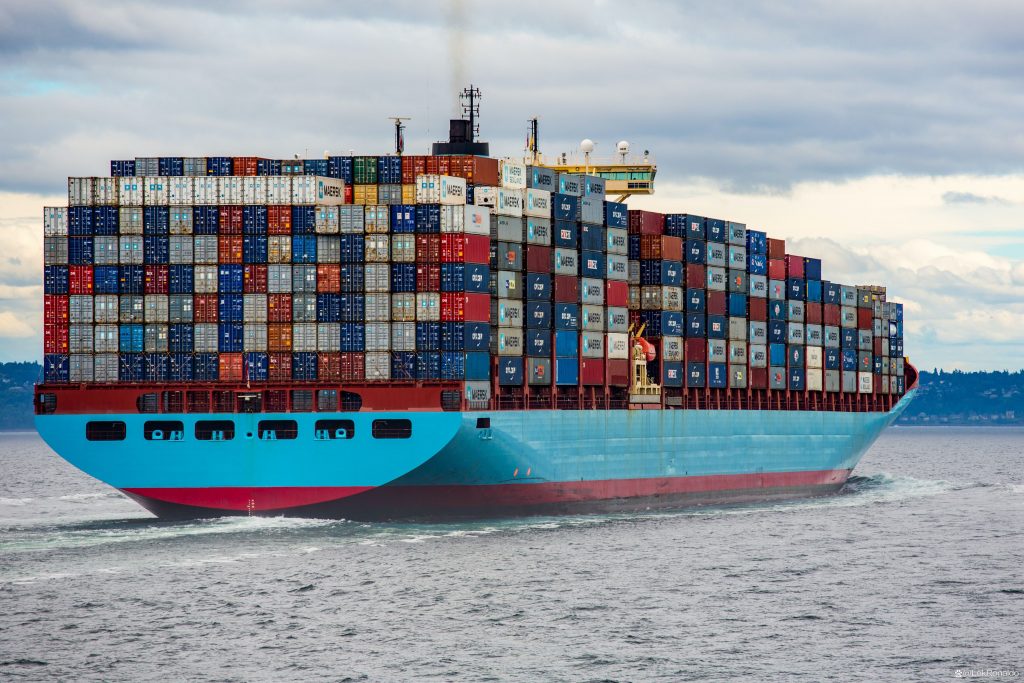
- Container Ships: Ideal for general goods, electronics, and non-perishables, forwarders secure space on regular services (often transshipped via Guam or Manila due to limited direct calls) and coordinate container stuffing to prevent damage.
- Roll-On/Roll-Off (RoRo): For bulky items like vehicles or construction equipment, forwarders arrange RoRo bookings, ensuring vehicles are properly secured and documentation aligns with Palau’s import rules for motorized transport.
- Bulk Carriers: Though less common, shipments of raw materials (e.g., sand, gravel for construction) use bulk vessels, requiring forwarders to manage loading supervision and quality checks at origin.
Air freight plays a niche role, primarily for urgent or high-value items like medical supplies or luxury goods. With Palau’s international airport (Roman Tmetuchl International Airport) handling limited cargo, forwarders partner with airlines to secure charter flights or prioritize cargo on existing routes, balancing speed with cost efficiency.
The Forwarder’s Playbook: Solving Palau-Specific Challenges
Success in China-Palau freight hinges on addressing three critical pain points:
- Biosecurity and Customs Compliance: Palau’s Division of Environmental Quality enforces strict biosecurity measures to prevent invasive species. Forwarders pre-screen shipments, ensure phytosanitary certificates (for plants/soils) or fumigation reports are included, and liaise with local clearing agents to expedite inspections. They also navigate Palau’s customs tariffs and import licenses, using digital platforms to submit paperwork ahead of arrival, cutting clearance times from 7–10 days to 3–5.
- Last-Mile Distribution: Once cargo reaches Koror, reaching outer islands (e.g., Babeldaob, Peleliu) requires coordination with local boat operators or small aircraft. Forwarders with on-ground networks in Palau maintain relationships with these regional carriers, ensuring timely delivery to remote communities or tourist resorts. Some even operate small warehouses in Koror to consolidate shipments, reducing handling costs for clients.
- Climate and Operational Risks: Typhoons, common in the Pacific during summer, can disrupt shipping schedules. Proactive forwarders monitor weather patterns, recommend flexible sailing dates, or reroute cargo via alternative ports (e.g., Guam) to avoid delays. They also offer cargo insurance tailored to Palau’s exposure, covering damage from moisture, rough handling, or transit interruptions.
Choosing a Partner: What Palau-Bound Exporters Should Prioritize
Selecting a freight forwarder for China-Palau trade demands scrutiny of four qualities:
- Local Presence: A forwarder with boots on the ground in Palau—whether through a subsidiary, agent, or long-term local partners—understands regional nuances, from port wait times to cultural business practices.
- End-to-End Visibility: Digital tracking systems that provide real-time updates from factory pickup to final delivery in Palau empower exporters to manage inventory and communicate with clients proactively.
- Regulatory Mastery: Expertise in Palau’s unique rules—from biosecurity to product labeling (e.g., mandatory English/Palauan signage for consumer goods)—prevents costly errors.
- Sustainability Focus: As Palau aims to reduce its carbon footprint, forwarders offering green shipping options (e.g., slow-steaming vessels, carbon offset programs) align with the nation’s environmental goals.
The Future: Growing Trade, Evolving Logistics
Palau’s push to expand tourism (targeting 100,000 annual visitors by 2030) and upgrade infrastructure (including new roads and resort developments) signals rising demand for Chinese goods. For exporters, partnering with a forwarder who blends global reach with hyper-local insight is no longer optional—it’s strategic. In this Pacific corridor, freight forwarding transcends transportation; it’s about enabling growth. By solving logistical puzzles, mitigating risks, and fostering trust, these partners ensure that Chinese products not only reach Palau’s shores but also contribute to the island nation’s prosperity. For businesses looking to tap into Palau’s potential, a specialized freight forwarder isn’t just a vendor—it’s a gateway to success in paradise.


