Shipping goods from China to Guam requires specialized expertise to navigate U.S. customs regulations, Pacific shipping routes, and the island’s logistical challenges. As a U.S. territory in the western Pacific, Guam’s remote location and reliance on maritime trade demand tailored solutions to ensure timely, compliant deliveries. Whether importing machinery, electronics, or consumer goods, partnering with a freight forwarder streamlines cross-border operations. This guide explores key considerations, from shipping methods and customs compliance to risk mitigation strategies.
- Shipping Methods: Ocean Freight as the Primary Option
Guam’s geographic isolation makes ocean freight the dominant mode for imports, with air freight reserved for urgent or high-value cargo:
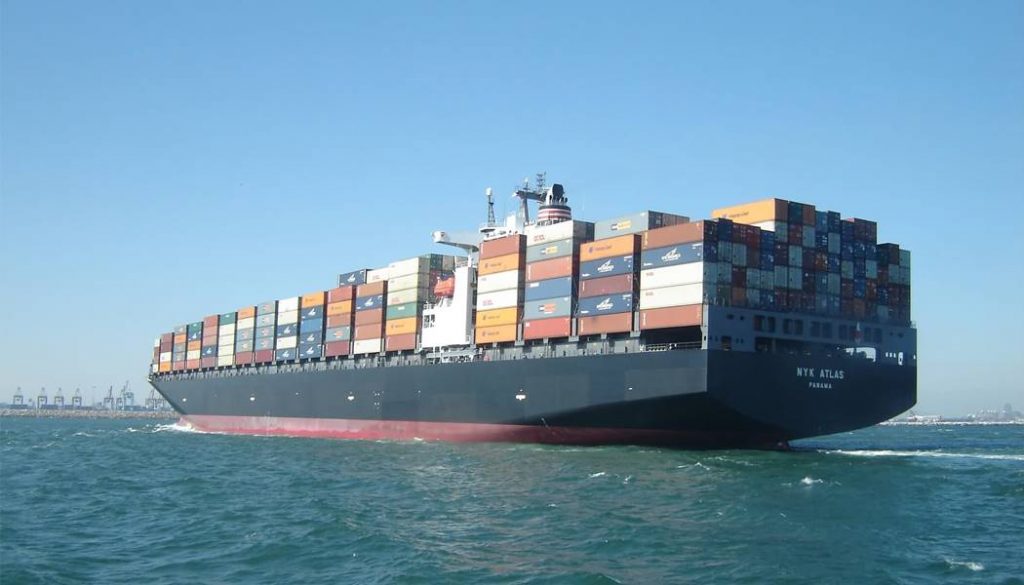
- Ocean Freight:
- Routes: Most shipments transit via the Panama Canal or Suez Canal to Guam’s Port of Apra Harbor. Direct routes from Chinese ports like Shanghai or Shenzhen take 25–40 days for full container load (FCL) shipments.
- Key Ports: Apra Harbor is Guam’s primary gateway, handling 95% of cargo. Limited deep-water capacity may require transshipment via Manila (Philippines) or Kaohsiung (Taiwan) for oversized loads.
- Pro Tip: Schedule shipments to avoid typhoon season (June–November) or peak congestion (December–March).
- Air Freight:
- Ideal for time-sensitive goods (e.g., medical supplies), air routes connect Chinese hubs like Shanghai to Andersen Air Force Base (GUM). Transit times average 5–8 days, but costs are significantly higher.
- Multimodal Transport:
Combines ocean freight with road transport. Cargo arriving at Apra Harbor moves inland via Guam’s Highway 1 to key markets like Hagåtña or Dededo.
- Customs Compliance and Documentation
Guam follows U.S. Customs and Border Protection (CBP) regulations, with additional territory-specific requirements:
- Essential Documents:
- Commercial Invoice, Bill of Lading (B/L), and Certificate of Origin.
- Import Declaration filed via CBP’s Automated Commercial Environment (ACE).
- Phytosanitary Certificates for agricultural products.
- Duties and Taxes:
- Average tariffs range 0–5% under U.S.-China trade agreements.
- Guam offers duty-free status for certain items under its Free Trade Zone (e.g., raw materials for manufacturing).
A freight forwarder manages CBP filings, HS code classification, and ensures compliance with U.S. regulations (e.g., FDA standards for electronics).
- Challenges and Solutions for Guam Shipments
A. Port Congestion and Infrastructure
Apra Harbor faces delays during typhoon season and peak cargo months. Mitigate risks by:
- Using transshipment hubs like Manila for faster clearance.
- Partnering with forwarders offering bonded warehousing near ports. B. Weather Vulnerabilities
Typhoons disrupt shipping schedules. Build buffer time or prioritize air freight during storm months. C. Inland Transportation Complexity
Limited trucking capacity and mountainous terrain delay cargo movement to rural areas like Yigo or Mangilao.
- Key Services Offered by Freight Forwarders
A trusted forwarder provides tailored solutions for Guam-bound shipments:
- Customs Brokerage: Manages CBP filings, duty optimization, and HS code classification.
- Door-to-Door Logistics: Coordinates port pickup, transshipment, and last-mile delivery to Hagåtña or Andersen AFB.
- Track-and-Trace Systems: Monitors shipments via ACE updates and GPS integration.
- Risk Mitigation: Offers cargo insurance and contingency plans for typhoon delays or port strikes.
- Cost Considerations
Shipping costs vary by cargo type, route, and services:
- Freight Forwarding Fees: Typically 8–15% of shipment value, reflecting specialized handling.
- Ocean Freight Charges: Include terminal fees (THC) and fuel surcharges.
- Duties and Taxes: Average 5–10% of CIF (Cost, Insurance, Freight) value, influenced by HS codes.
- Inland Transportation: Costs range from $1,000–$3,000 for trucking from Apra Harbor to Hagåtña.
Request a detailed quote to compare options and avoid hidden fees.
- Frequently Asked Questions
Q: How do I expedite customs clearance in Guam?
A: Pre-register products with CBP, use AEO (Authorized Economic Operator) status, and ensure accurate HS code classification.
Q: What’s the best port for importing bulk cargo?
A: Apra Harbor is primary, but transshipment via Manila improves speed for oversized loads.
Q: Are there restrictions on used equipment imports?
A: Yes, used machinery often requires CBP inspections and certifications. Confirm eligibility with your forwarder.
Q: How are perishable goods handled?
A: Air freight with temperature-controlled containers is preferred. Coordinate expedited clearance for time-sensitive cargo.
Conclusion
Guam’s strategic position in the Pacific makes it a vital hub for trade, but shipping to this U.S. territory requires expertise in CBP compliance, seasonal resilience, and remote logistics. By partnering with a China to Guam freight forwarder, businesses gain access to streamlined clearance, cost-efficient routing, and risk management strategies. Whether importing industrial components or consumer goods, professional logistics support ensures reliable deliveries to Guam’s growing markets.
Optimize Your China-Guam Supply Chain
Focus on your core operations while experts handle the intricacies of cross-border shipping—from CBP filings to last-mile delivery. A trusted freight forwarder bridges the gap between global trade and Pacific compliance.


